Kemper, Melanie; Christin Dammann; Johanna Henkel; Juliane Petri 2024: Kommunikation zur Umsetzung von Moorschutz in Brandenburg – Empfehlungen und Handreichungen. Ecologic Institut und Deutscher Verband für Landschaftspflege. Unpublished.
This new report from Ecologic Institute, PIK and IER discusses what EU industrial policy should look like, what principles it should follow and how it interacts with the set of existing EU climate and energy policies. The report proposes six principles for an EU industrial policy for climate action and discusses the 'industrial policy trilemma' of navigating goals in climate action, competitiveness, and security.
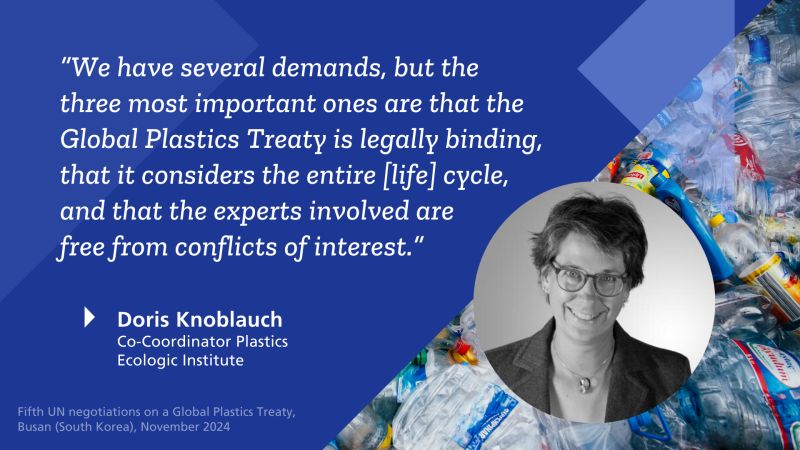
The fifth round of negotiations (#INC5) to agree on an international legally binding instrument (ILBI) to end plastic pollution took place from 25 November to 1 December in Busan, South Korea. Originally intended to be the last round of negotiations leading to a plastics treaty, UN member states failed to agree on such a treaty. Many stakeholders left disappointed, and both member states and observers will have to meet again at an INC5.2 in 2025 to continue their work to end plastic pollution.
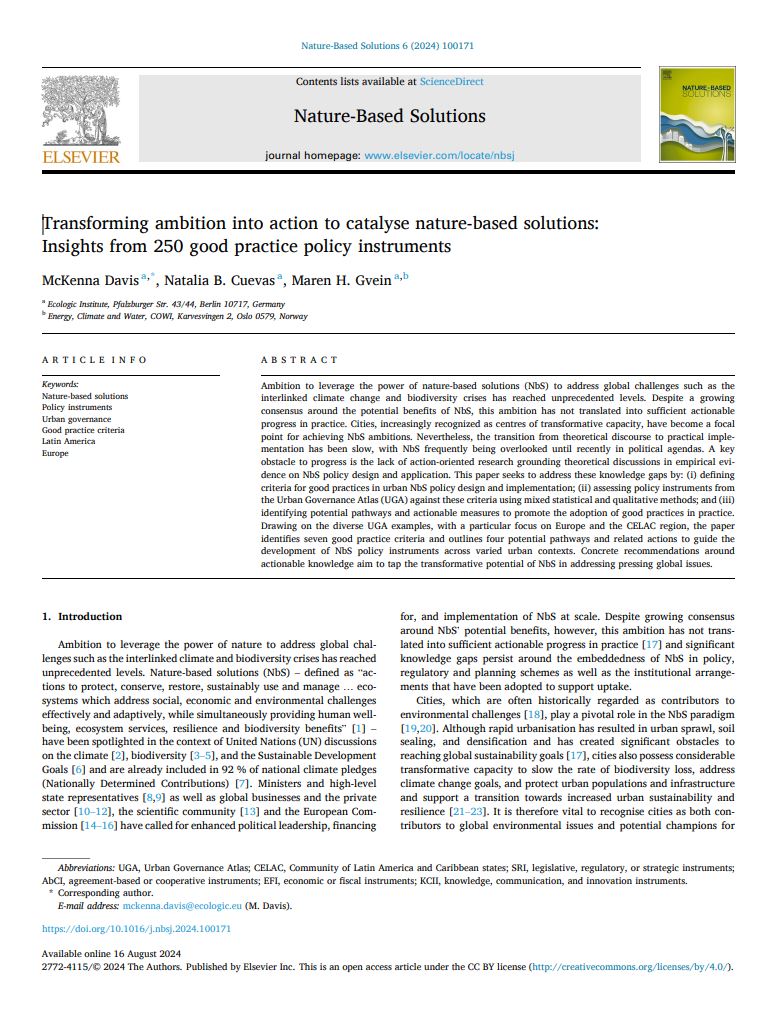
Nature-based solutions (NbS) hold immense potential to address global challenges such as climate change and biodiversity loss – but how can ambitious goals finally be translated into action? This article provides valuable insights into 250 practical policy instruments from 41 countries that successfully promote NbS. For the first time, a systematic evaluation of good practice examples is presented, aimed at helping cities and communities implement NbS effectively. From innovative approaches to long-term sustainable solutions, the authors highlight how policy design around NbS can be optimized globally. The article provides concrete recommendations and inspiring success stories to advance the implementation of NbS in your region!
Rome, like many cities in Southern and Western Europe, is facing significant challenges from climate change, particularly in the form of Urban Heat Islands (UHI). To address these risks, PwC is leading a project funded by the EU's DG REFORM, with the Ecologic Institute playing a key supporting role. This project will develop a detailed UHI risk profile for Rome, integrating data on the city’s demographics, urban layout, transportation systems, and green spaces.
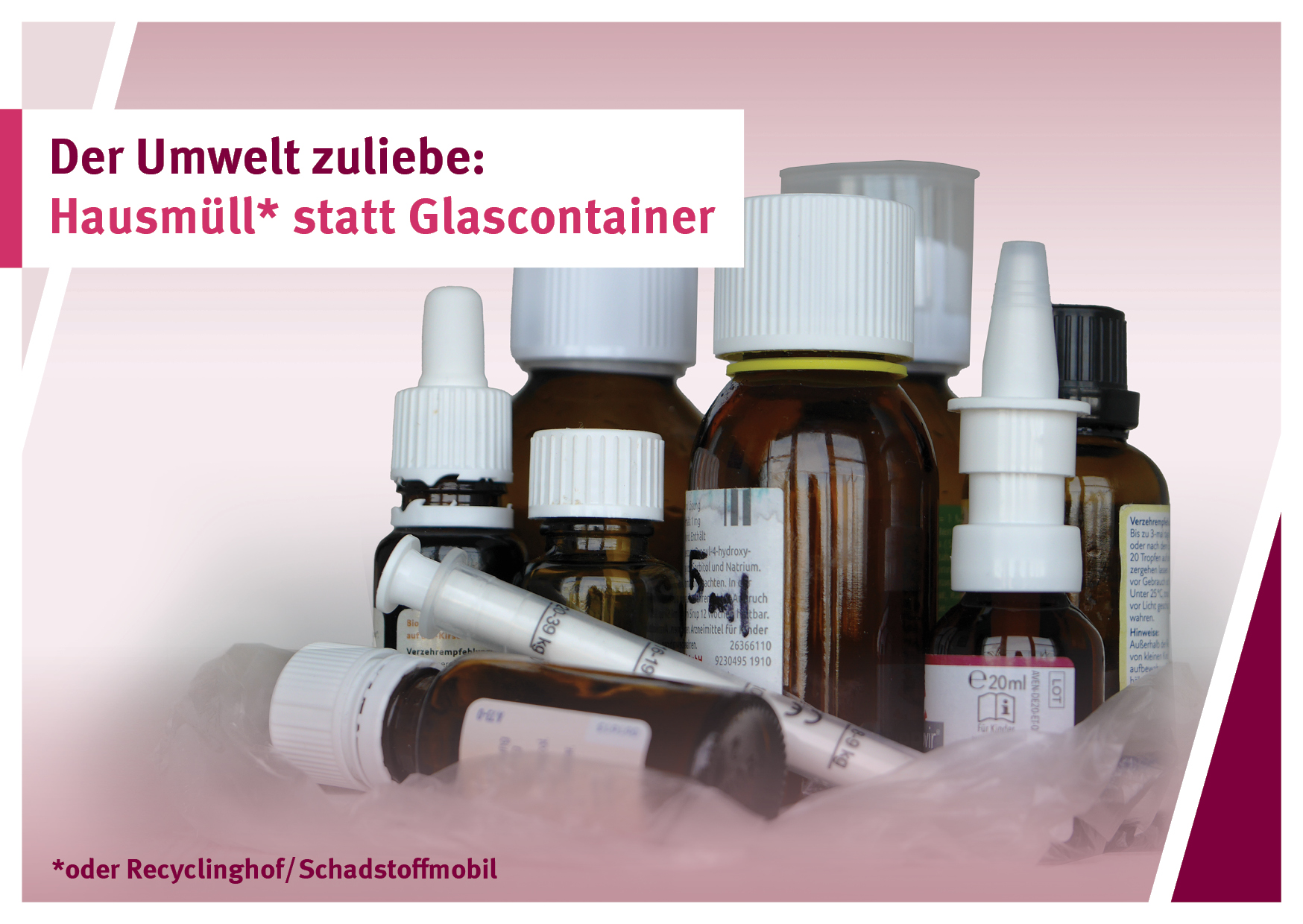
Liquid pharmaceutical leftovers are more often disposed of incorrectly in waste water than solid ones. For this reason, a German-language postcard in DIN A6 (10 x 15 cm) has been developed on this topic, which can be given to customers when liquid medicines are handed in at the pharmacy.
On 3 December 2024, the Ecologic Institute in Berlin hosted the workshop 'Transformation of urban stormwater management through nature-based solutions: Future Paths for Berlin'. This half-day event brought together experts from urban development, water management, nature conservation and representatives from authorities and agencies to discuss innovative approaches to sustainable rainwater management.
Kemper, Melanie; Elisa Thomaset und Jennifer Reck 2024: Von Niederungsmanagement bis Versumpfung: Kommunikation zur Umsetzung von Moorschutz. Medienresonanz- und Kommunikationsanalyse in den moorreichen deutschen Bundesländern. Ecologic Institut, Berlin. Unpublished.
Dr Ralph Bodle, Arne Riedel and Dr Stephan Sina from Ecologic Institute's Legal Team are among the authors of the comprehensive legal commentary on climate change law (BeckOK Klimarecht), which was published by C. H. Beck on their online platform in December 2024. The commentary is edited by Prof Ekkehard Hofmann and Dr Franziska Heß and is the first to cover climate-related laws and treaties at international, European and national level.
Pharmacies are an obvious place for conversation about pharmaceuticals and their effects on people and the environment, as well as the disposal of unused products. The information package for pharmacies provides pharmacy staff with in-depth background information for such discussions.
Tackling methane emissions is critical for the EU to meet its climate targets for 2030. The EU Methane Emission Regulation (EU-MER) is a key tool to achieve these reductions. However, countries like Romania and Czechia face significant implementation challenges. This project seeks to accelerate methane reductions in Romania and Czechia by enhancing the implementation of the EU-MER.
With the European Green Deal, the European Climate Law, and the Governance Regulation the EU has built a strong governance framework for climate policy-making. These policies have been effective in linking national and EU-wide actions and enhancing a harmonized approach across EU Member States. They legally enshrine the binding goal of EU-wide climate neutrality by 2050 and embed five-year national policy planning cycles in line with the UNFCCC Global Stocktake.
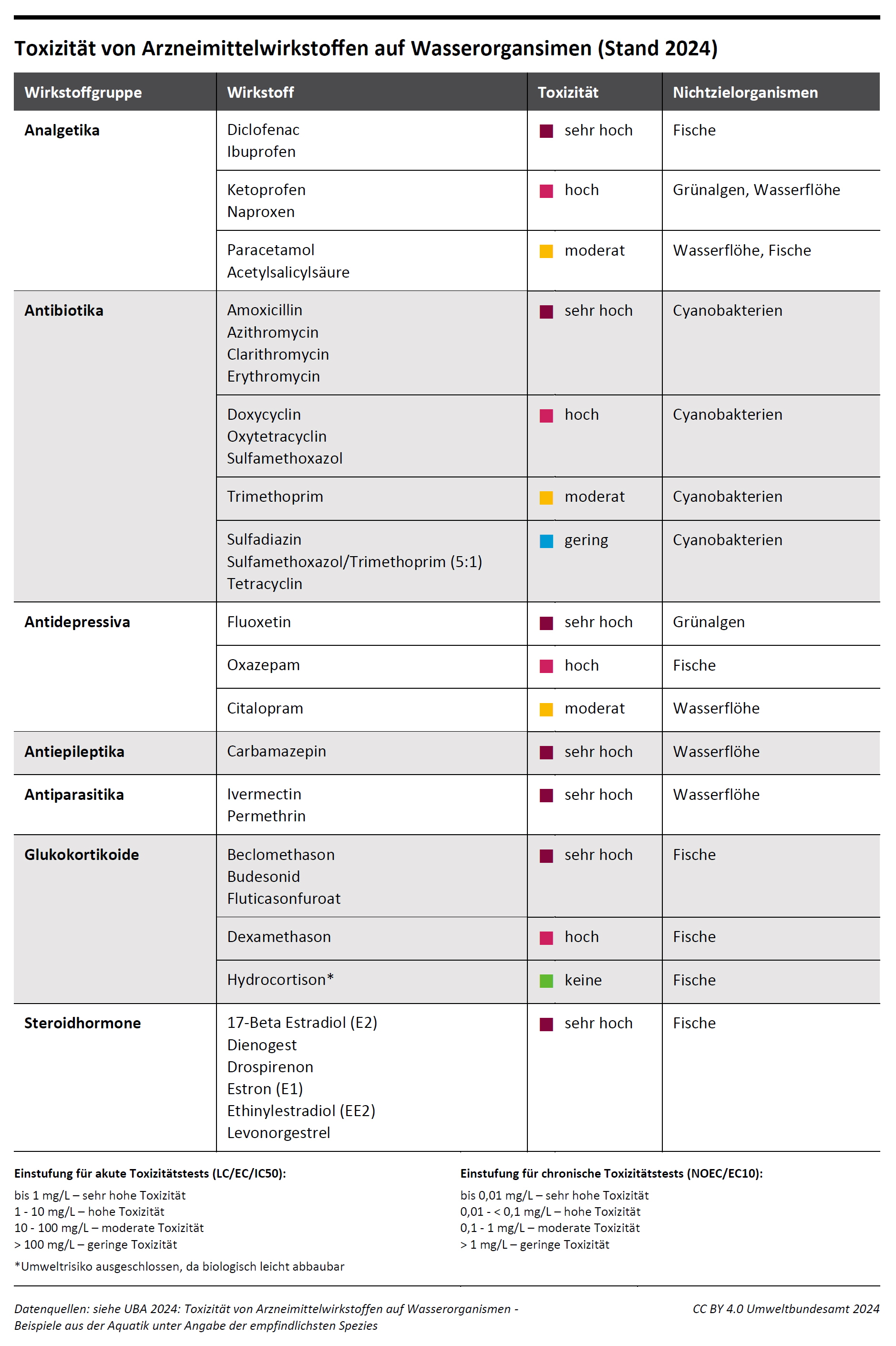
This infographic provides a brief overview of the toxicity of human pharmaceutical substances on non-target organisms observed in laboratory and case studies. A detailed version of the table, which also includes effect concentrations and literature sources, can be downloaded as a PDF.
Germany is under increasing water stress, despite rising precipitation and extreme weather. The core issue lies not in rainfall quantity, but in the inability of our anthropogenically modified landscape to retain water. The Handbook of Agricultural Measures for Enhancing Water Retention, Water Quality and Biodiversity addresses this challenge head-on. Developed with farmers and advisors in mind, it presents field-tested and scientifically evaluated nature-based solutions for agricultural water management. These measures do not compete with productivity—they ensure long-term agricultural viability in a changing climate.
This paper analyses relevant enabling and hindering factors for the implementation of subsoil management in a regional context, focusing on (i) geophysical conditions and (ii) relevant socio-economic criteria in selected regions of Germany.