The SCALE-UP consortium organised a thematic conference in the frame of Bio360, which took place on 5 and 6 February 2025 in Nantes, France. The international trade fair, dedicated to advancing the bioeconomy, drew more than 450 exhibitors and 40+ conferences featuring pioneering solutions in bio-based materials, circular agriculture, and renewable energy. As the coordinator of the SCALE-UP project, Ecologic Institute played a key role in bringing together innovators, investors, farmers, and researchers to discuss sustainable bio-based solutions.
Restoring Europe’s freshwater ecosystems at the scale required by EU policy will require a broader mix of funding sources. The MERLIN Deliverable “Diversifying Funding for Freshwater Restoration using Nature-Based Solutions” examines how restoration teams across Europe are exploring new funding models and partnerships.
Pharmaceutical substances from creams and gels can enter wastewater when washed off after application. However, this can be reduced by first wiping your hands with a paper towel, disposing of it in the household waste, and only then washing your hands.
This project examines whether Member States are using CAP funding to support actions that lay the foundation for reducing livestock emissions in the next funding period. This includes informing discussions on whether additional policy measures will be needed beyond CAP support, given the necessary increase in climate ambition for the agricultural sector towards meeting the EU’s 2040 climate target.
Stories have the unique potential to inspire change, shape perceptions, and foster understanding across diverse audiences. This collection of stories, developed as part of the INTERLACE project, aims to convey the profound emotional and cultural importance natural surroundings have for local communities and showcase the power of collective action.
Nature-based solutions (NbS) aim to improve the world for everyone, which means ensuring that vulnerable groups, such as women, children, migrants, and people with disabilities, benefit alongside other social groups. This report, part of the INTERLACE project, assesses how these groups have been included in the planning and implementation of project activities, offering valuable insights for future NBS initiatives and research.
This Deliverable presents the work of the CREDIBLE Focus Group 2.1, "Minimum requirements to ensure carbon farming delivers sustainability benefits". The objective of the Focus Group and the goal of this document is to make recommendations on how the CRCF can maximize the positive impact of carbon farming on biodiversity, adaptation, water and other sustainability outcomes, at the same time as mitigating climate change.
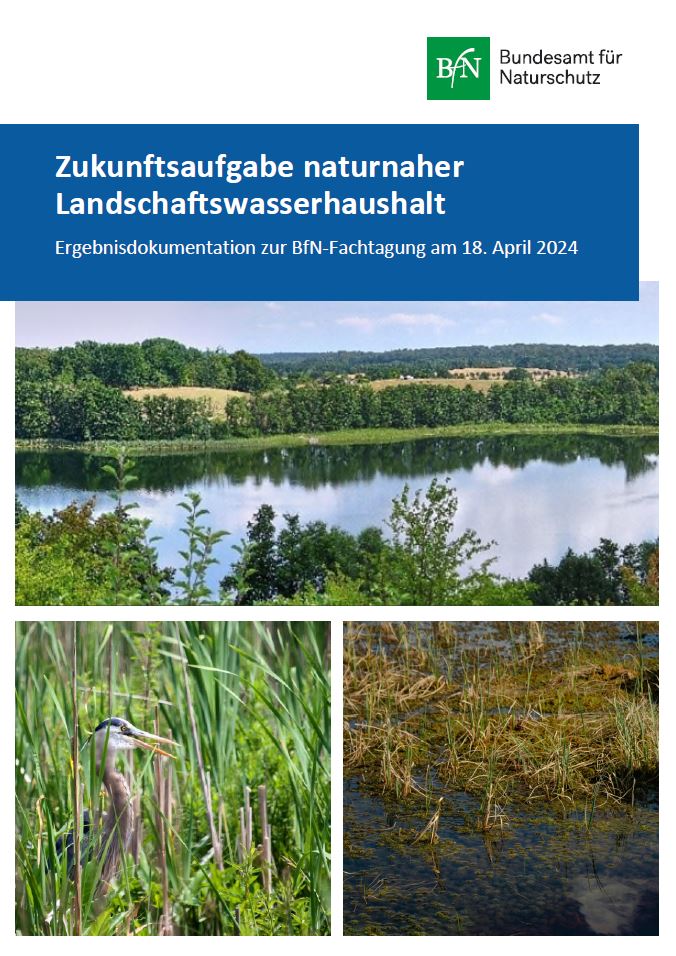
The symposium "The future task of a near-natural landscape water balance" of the Federal Agency for Nature Conservation (BfN) was organized by Ecologic Institute and took place on 18 April 2024, in Bonn. This publication summarises the most important contents of the conference as well as the research and implementation needs identified.
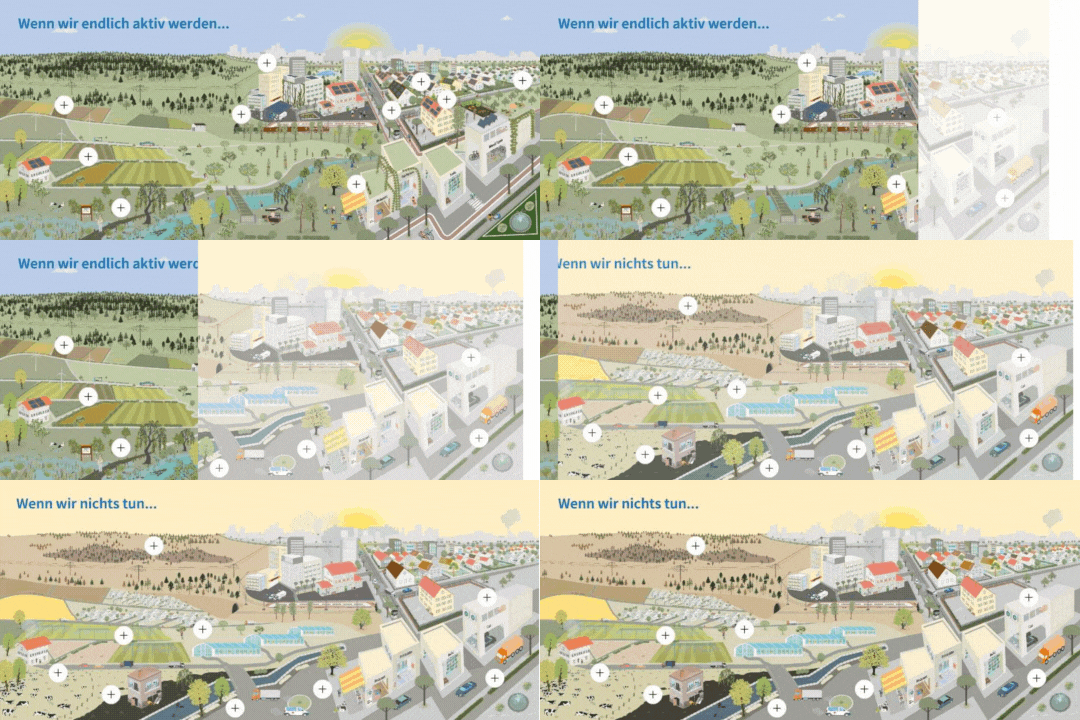
This interactive infographic shows what the future could look like in 20 to 30 years - in two scenarios: one with resolute climate protection and another scenario that leaves everything as it is. The intention is to make the consequences of climate change more tangible and to illustrate the urgency of climate protection measures.
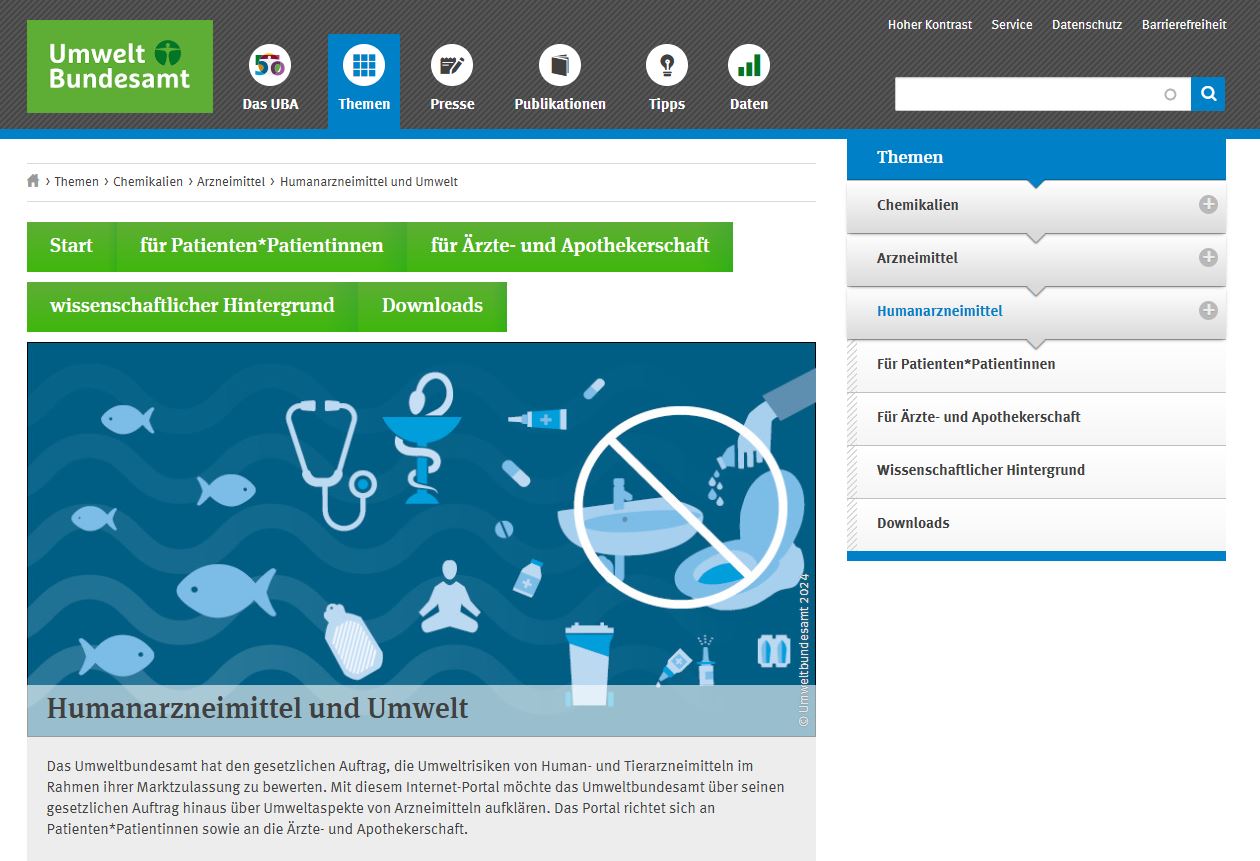
In a project for the German Environment Agency (Umweltbundesamt), the Ecologic Institute, in collaboration with the University and University Medical Center of Kiel, developed educational and informational materials on the environmental aspects of pharmaceuticals. All materials can be ordered or downloaded free of charge through the UBA portal "Pharmaceuticals and the Environment," which was also created as part of the project.
On 21 January 2025, the United Nations Association of Germany (DGVN) hosted a panel discussion to discuss the next steps in the global plastics negotiations. The fifth round of negotiations in November 2024 ended without an agreement – a failure? Doris Knoblauch, scientist at Ecologic Institute, took part in the panel discussion and reported on the progress of the negotiations and how things could now proceed from her perspective.
To generate new sources of climate finance, this project assesses the design and implications of an international oil extraction levy. Unlike downstream carbon pricing policies, the levy would be applied at the point of oil extraction and based on the embedded carbon in crude oil. By internalising part of the climate costs of fossil fuels, the mechanism aligns with the polluter pays principle.
On 15 January 2025, the final event of the project 'Information and teaching materials for the environmentally conscious use of human medicinal products' took place. The event served to present the information and teaching materials developed in the project, as well as to discuss the plan for disseminating these materials.
The Federal Environment Agency's online platform "Pharmaceuticals and the Environment" provides information on the environmental impact of human pharmaceuticals and gives recommendations for environmentally conscious use and disposal. The aim is to minimize the entry of pharmaceutical residues into the environment and thus protect organisms, water, and soil.