On 16 October 2024, GoNaturePositive! launched an open consultation on the nature-positive economy – calling on experts from across the policy and public sector, businesses including SME's, nature-based enterprises, finance and investors, environmental NGOs, citizens and community groups, research organisations, and standards bodies to help shape the future.
This project will support the European Commission's DG CLIMA to develop policies related to the financing of permanent carbon removal technologies, with an emphasis on mechanisms that can accelerate their upscaling. These include tools like public procurement, public-private partnerships, and EU funding instruments.
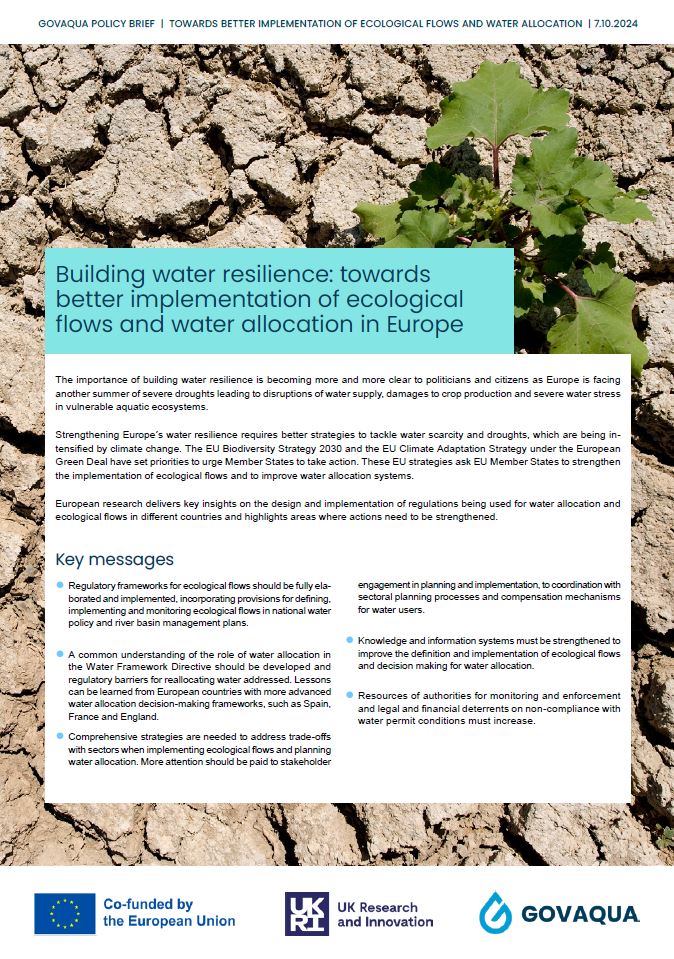
As Europe faces increasing droughts and water shortages, it is crucial to rethink how we manage water resources. A new policy brief explores strategies to improve ecological flows and water allocation, offering vital insights for policymakers and stakeholders. Discover how these measures can safeguard ecosystems and support sustainable water use in the face of climate change.
As the global community prepares for the sixteenth Conference of the Parties to the Convention on Biological Diversity (CBD COP16) in Colombia, the Ecologic Institute will actively participate in promoting nature-based solutions (NbS), restoration initiatives, and biodiversity finance. With a central theme of "Peace with Nature," this COP is set against Colombia's unique biodiversity and a commitment to amplifying local and indigenous voices.
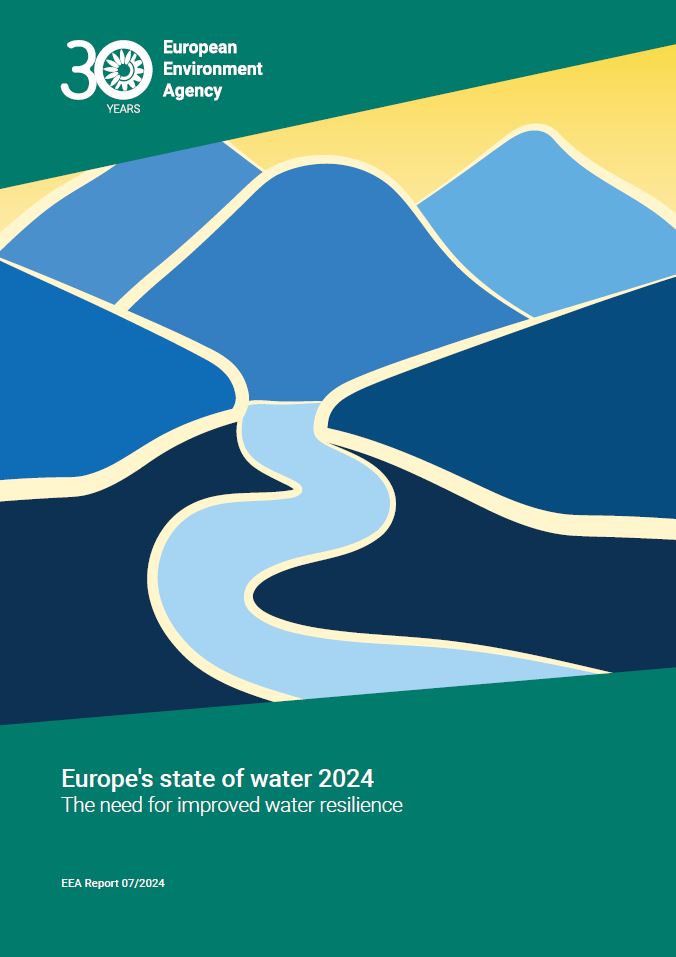
On 15 October 2024, the European Environmental Agency (EEA) published their landmark report on the state of water in the EU, the most comprehensive assessment of the status of European groundwater, rivers, lakes and coastal waters to date. Supported by Ecologic Institute through its coordination of the contributions from the European Topic Center for Biodiversity and Ecosystems, the publication analyses various European data flows relevant to water management, with a particular focus on data reported by the Member States under the EU Water Framework Directive.
With the Carbon Removal Certification Framework (CRCF), adopted in 2024, the EU established a voluntary framework for carbon removal certification, which includes criteria for the certification of removals, rules for the certification process and the recognition of certification schemes. A new report by the Ecologic Institute and the Oeko-Institut for Germany’s Federal Environment Agency (UBA) discusses options for how certified removal units may be used. The report also explores what policy options are available to complement funding for removals besides revenues generated through the CRCF.
On 25 and 26 September 2024, McKenna Davis and Natalia Burgos of Ecologic Institute contributed to two landmark nature-based solutions (NbS) events in Brussels, focusing on advancing NbS through collaborative efforts.
This policy brief outlines recommendations for sustainable and socially accepted subsoil management in Germany. Subsoil, located below the plowed topsoil layer, holds essential nutrients and water reserves crucial for plant growth and sustainable bioeconomy practices. The Soil³ project (2015–2025) investigated methods to enhance subsoil usage, focusing on increasing plant root access to this layer without compromising its ecological functions.
The Publications Office of the European Union has released an Independent Expert Report titled "Bridging Continents: Exploring the State-of-Play of Nature-Based Solutions in the EU and LAC: Building a Foundation for Collaboration", which was co-authored by Natalia Burgos and McKenna Davis of Ecologic Institute and Daniela Rizzi. This report delves into the progress, challenges, and opportunities in implementing nature-based solutions (NbS) across the European Union (EU) and Latin America and the Caribbean (LAC).
This report analyses the resilience of the European Emissions Trading System (EU ETS) and shows how global crises such as the COVID-19 pandemic or the war in Ukraine can affect its operation. In view of rising energy prices and economic uncertainties, it becomes clear that the EU ETS needs to improve its legal resilience to crisis situations. The report highlights necessary reforms to make emissions trading more resilient and effective in the future.
The BMUV recently hosted a stakeholder dialogue to explore and develop digital solutions that support sustainable and circular consumption decisions in everyday life. The kick-off event took place in Berlin on 13 November 2024, bringing together experts from research and practice.
From Monday 9 to Wednesday 11 December 2024, the Ariadne project hosted a three-day event consisting of a series of workshops and discussion events in Brussels.
In this article, we delve into the first zero draft of the treaty, offering a critical examination of its approach and potential shortcomings. Our analysis not only identifies key gaps in the draft's problem definition and scope but also underscores the urgent need for a more comprehensive and holistic strategy that addresses both upstream and downstream solutions, i.e. the whole life-cycle. For policymakers, environmental advocates, and stakeholders eager for a robust global response to plastic pollution, this open access article offers essential insights into the path forward.
How can regional agricultural and food systems be made more sustainable? This report highlights new models of cooperation that bring together farmers, consumers and civil society actors to improve access to land and strengthen regional economic cycles. A key finding is that such co-operations are not only ecologically beneficial, but also create social and economic synergies for rural regions.