This survey of Dominik Müller, Senior Analyst at Ecologic Institute, describes the regulatory and policy framework for the promotion of renewable energies in Germany as amended by the "Energiewende" announced by the German Federal Government in the wake of the Fukushima nuclear power plant disaster. The article focuses on changes in the electricity sector chiefly through fundamental amendments of the Renewable Energies Sources Act ("Erneuerbare-Energien-Gesetz – EEG") since 2011. Moreover, the article also discusses the political and regulatory situation for the use of renewable energies in the heat and transport sectors in Germany.
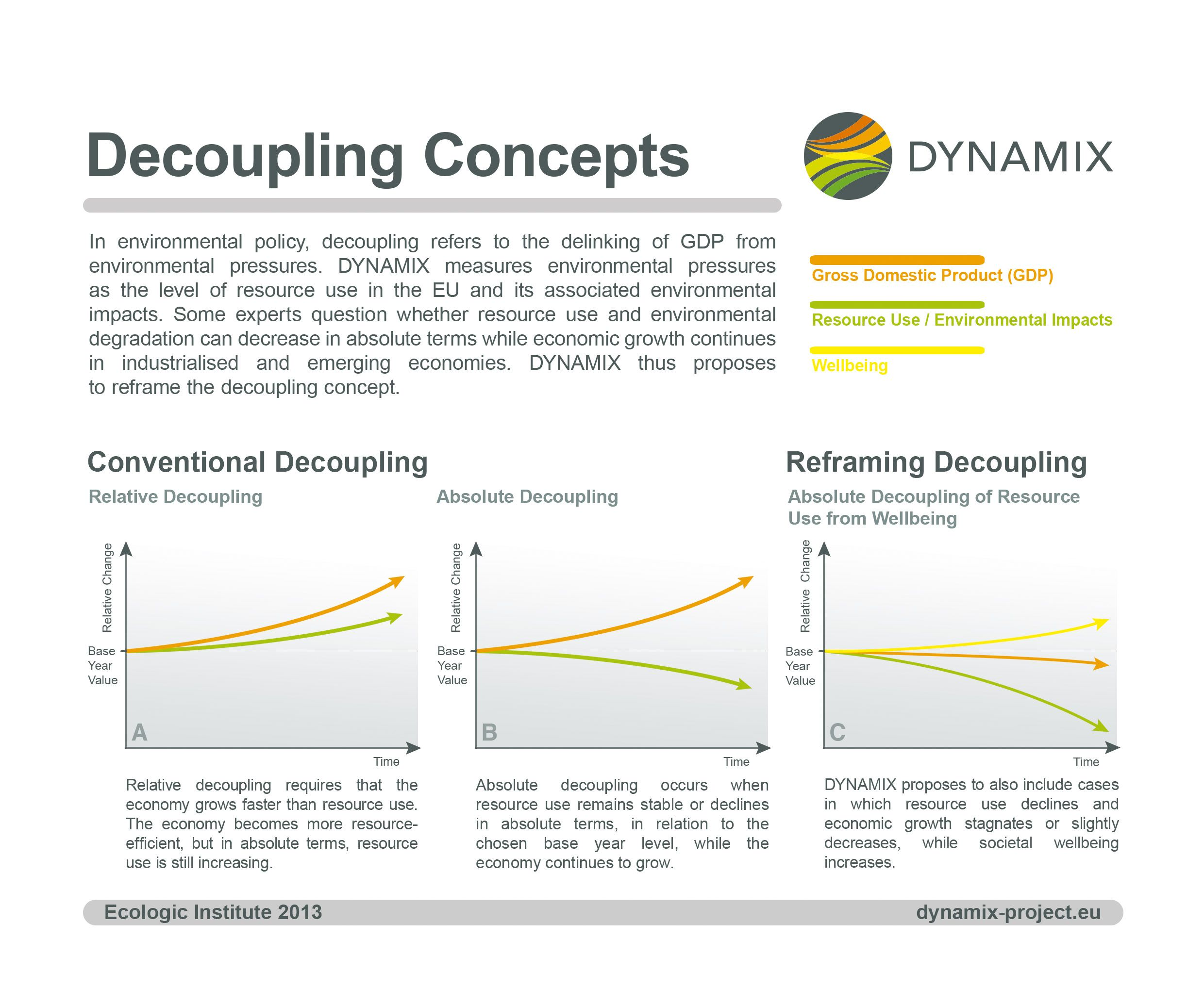
This infographic was developed within the project "DYNAmic policy MIXes for Absolute Decoupling of Environmental Impact of EU Resource Use from Economic Growth (DYNAMIX)". It proposes to reframe the decoupling concept and thus presents a key assumption developed in DYNAMIX. Different versions of the infographic were developed for use in online and print media, as well as a version with reduced text for PowerPoint presentations.
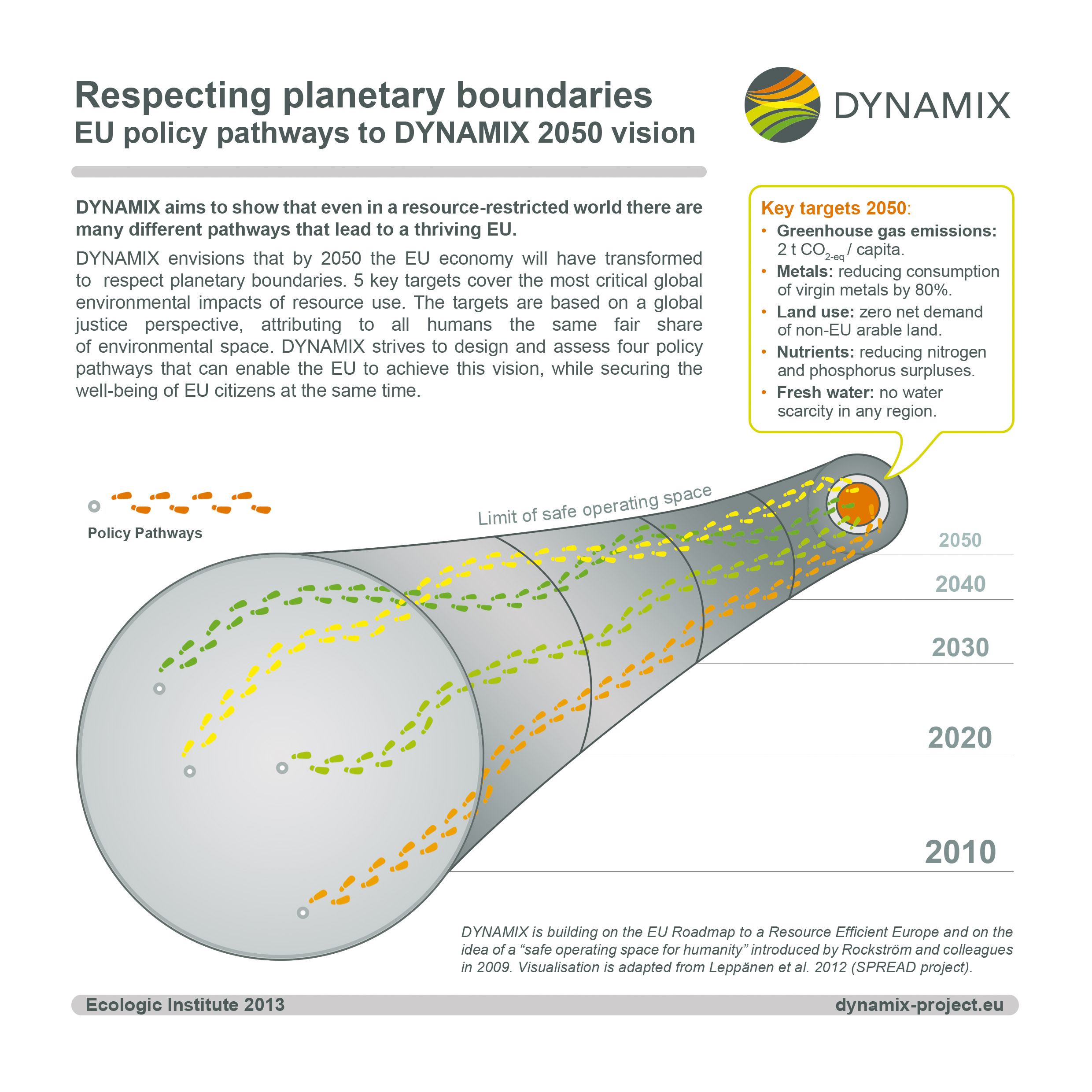
This infographic was developed within the project "DYNAmic policy MIXes for Absolute Decoupling of Environmental Impact of EU Resource Use from Economic Growth (DYNAMIX)". It communicates 5 key targets regarding resource use and visualizes that there are different pathways to an economy that respects planetary boundaries. Different versions of the infographic were developed for use in online and print media, as well as a version with reduced text for PowerPoint presentations.
This document sets out the overarching communication strategy of EFFACE. It introduces the dissemination-related objectives of EFFACE, identifies relevant target groups, describes the different communication tools of EFFACE and explains the role of the consortium partners in dissemination.
Climate change will most likely impact the effectiveness and cost of measures to improve water quality. This must be taken into account in the future when selecting measures in accordance with the EU Water Framework Directive (WFD). Until now, the consequences of climate change have not been systematically incorporated into the economic analyses called for by the WFD. A new study in the RADOST focus topic "Water Management and Agriculture" evaluates analytical approaches used to date, thereby contributing to the necessary discussion on how existing and future programs could consider and integrate the consequences of climate change. The report is available online.
On 20 March 2013, Prof. Dr. Simonis and Michael Zschiesche were interviewed about East and West German identities in environmental policy consultancy at Ecologic Institute, Berlin. In the conversation, the differences between East and West Germany became clear, even though the beginning of the institutionalization of environmental politics seems similar. The discussion (in German) can be watched online.
During the International VDI Conference-Biomethane 2013, major issues for the biogas and biomethane markets in technical, political and business areas, drawing on leading experiences from all over Europe, Russia and China were discussed. Dr. Wolfgang Urban, Fellow at Ecologic Institute, presented German political targets and utilization priorities for biomethane. Furthermore he spoke on the current legal framework and incentive scheme as well as the challenges and future perspectives and conclusions from amendment of legal framework. The presentation slides are available for download.
This synthesis report reflects on the four cases of alternative consumption and production niches observed in InContext. From the cross-examination of the empirical material, it distills tentative conclusions on what can be learnt from the emergence and governance patterns of these niches. The case study is available for download.
This document sets out a detailed strategy for the communication and dissemination of information stemming from DEMEAU research and activities. It outlines a plan for dissemination activities which connect research outputs with the relevant target audiences by means of the appropriate communication tools.
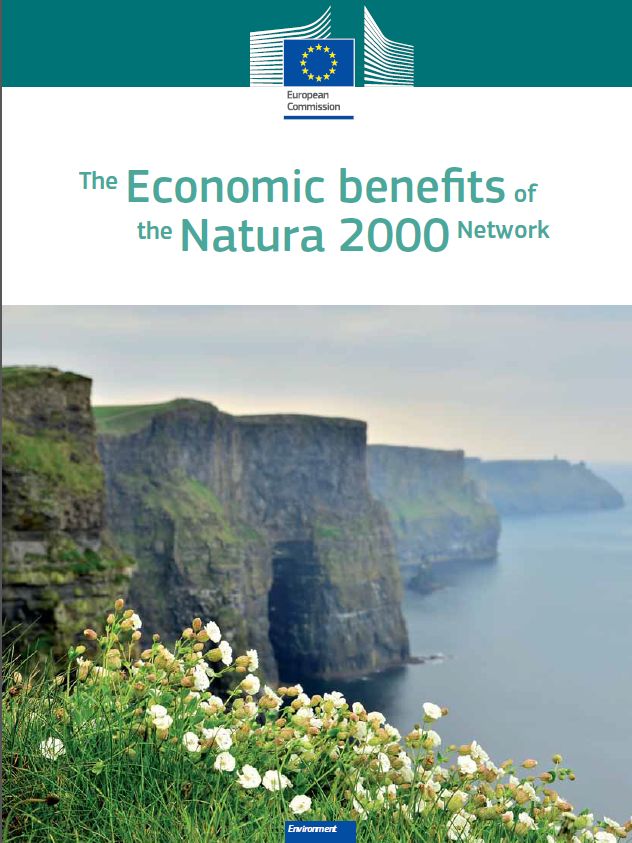
Brink, P. ten et al. 2013: The Economic benefits of the Natura 2000 Network. Synthesis Report. Institute for European Environmental Policy (IEEP), GHK, Ecologic Institut, Metroeconomica, EFTEC, Luxembourg. ISBN: 978-92-79-27588-3. The publication is available in English, French, German, Italian, Polish, and Spanish.