Across Europe, national climate advisory bodies exist in many shapes and forms. Most countries have one or more such institutions. While many of the existing advisory bodies bring together a range of stakeholders and cover a broad range of sustainability issues, over the past five years there has been a surge in the creation of independent scientific councils, dedicated to climate policy.
The study analyses how global governance processes and international law can contribute to reducing resource consumption and making the utilisation of resources more efficient and effective. The study provides a stocktake and assessment of existing international law and of non-legal and certain non-governmental instruments and processes related to resource efficiency of abiotic raw materials and gives an assessment of governance proposals in academic literature. Finally, specific policy options are identified.
Ecologic Institute is collaborating with the Frankfurt School of Finance & Management and Ramboll Consulting on a project for the European Environment Agency (EEA) entitled "The Cost of Adaptation versus the Cost of Inaction for Europe." This follows up a 2020-project, "Overview of Accessibility of the Climate Change Adaptation Finance Data in Europe," also for the EEA.
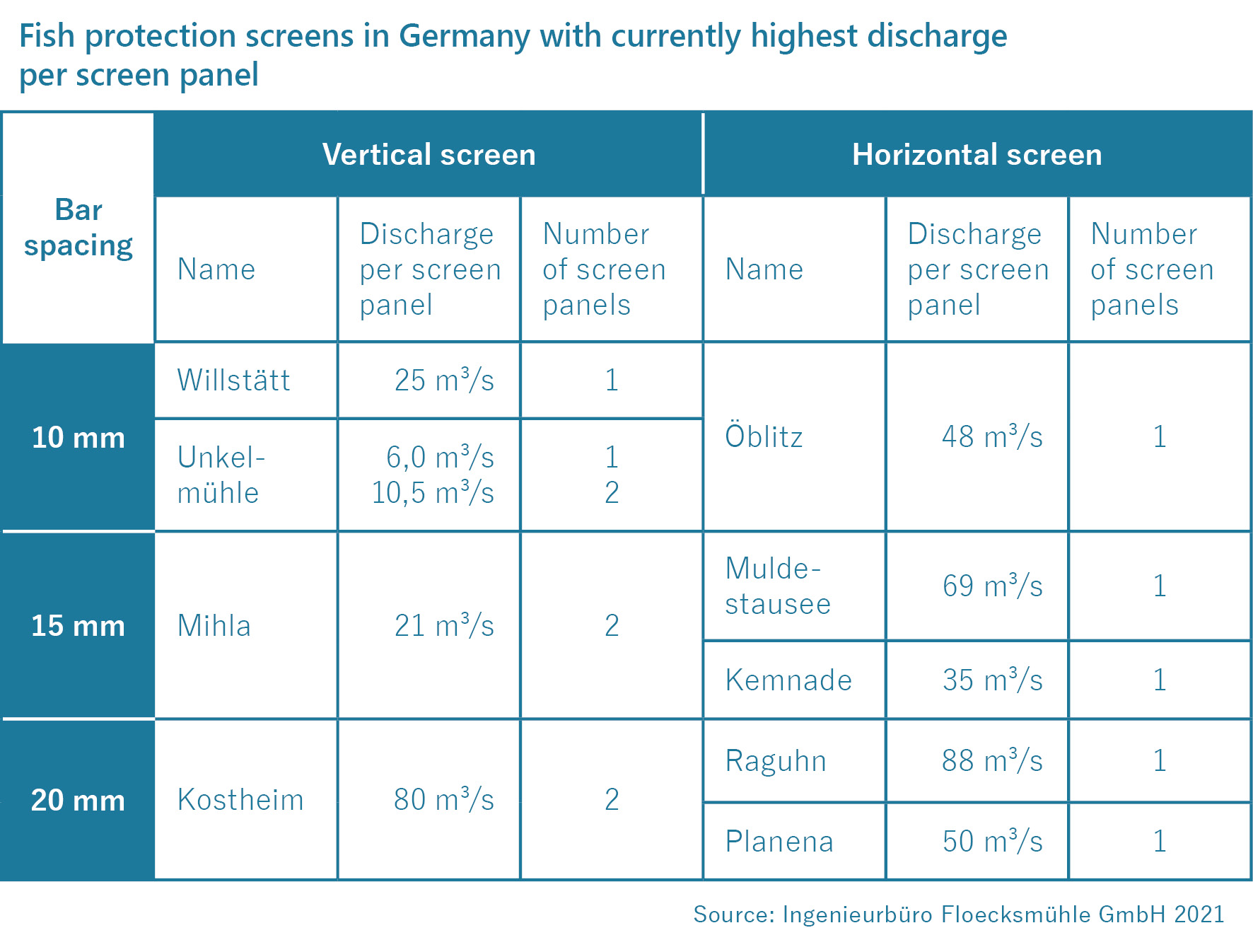
This table provides an overview of fish protection screens in Germany with the highest discharge per screen panel. The infographic is part of the fact sheet "Technical Functionality of Large Fish Protection Screens Confirmed in Practice."
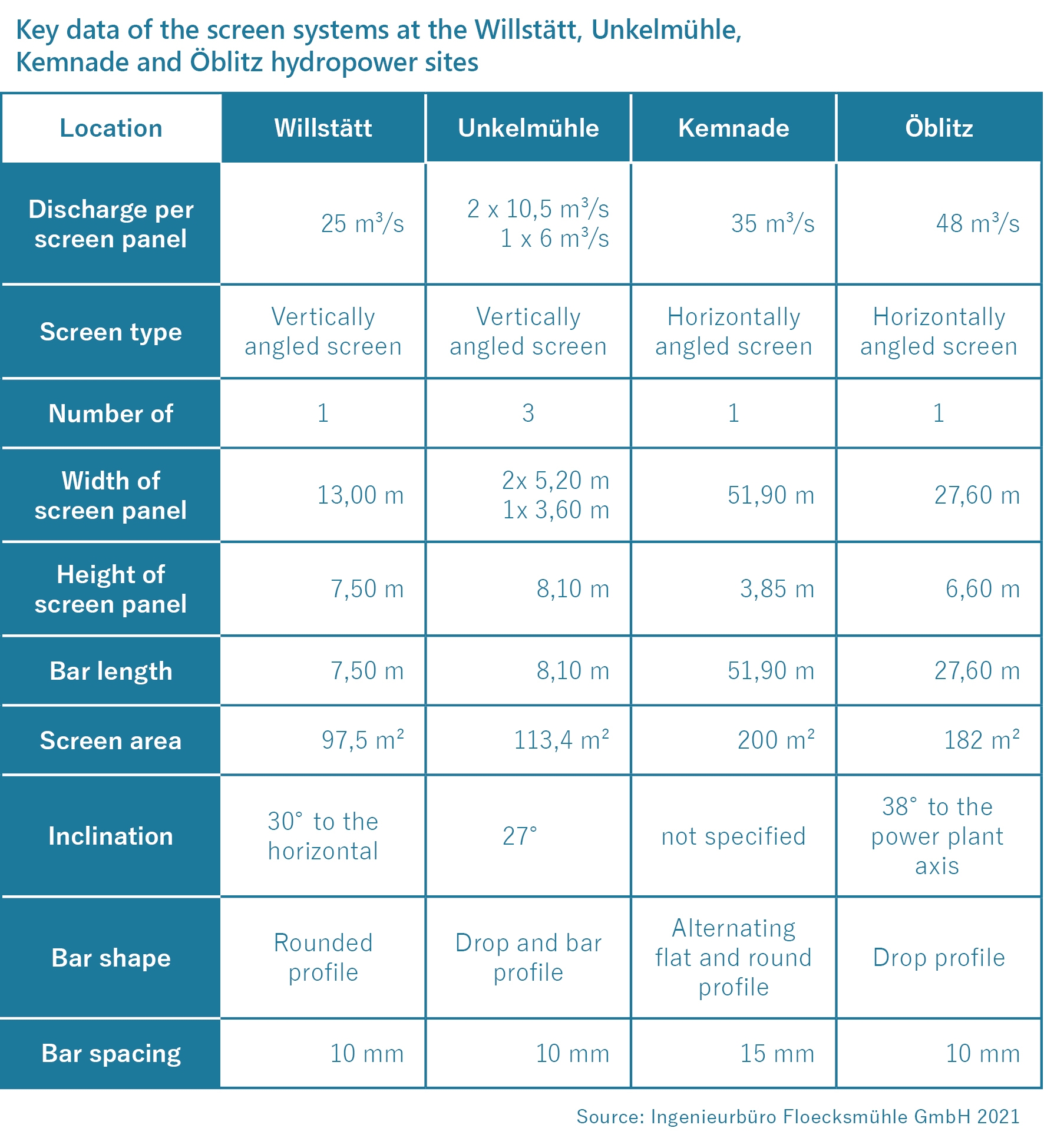
This infographic presents the key data of the screen systems at the Willstätt, Unkelmühle, Kemnade and Öblitz hydropower sites. The infographic is part of the fact sheet "Technical Functionality of Large Fish Protection Screens Confirmed in Practice."
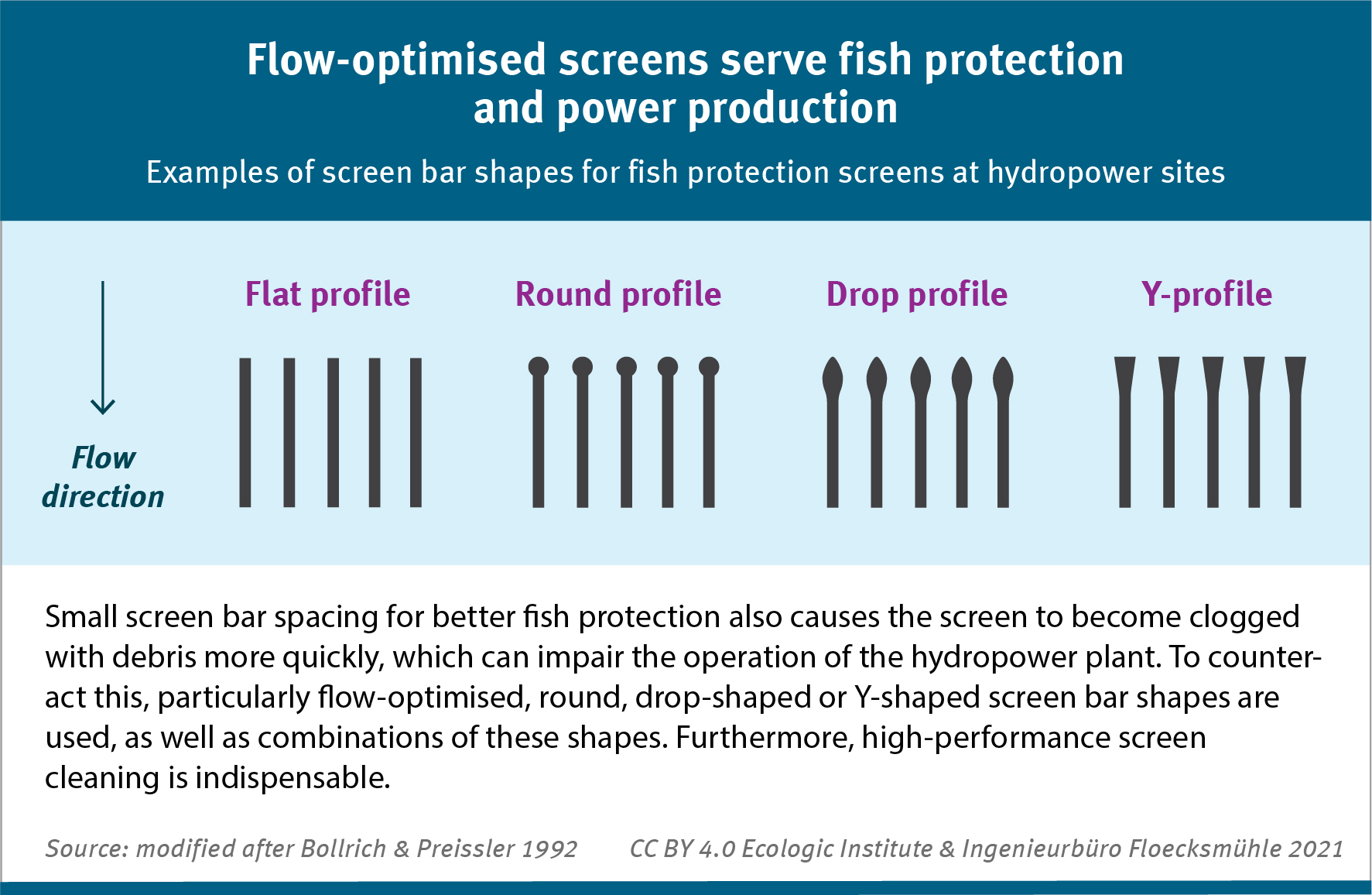
This infographic shows examples of screen bar shapes for fish protection screens at hydropower sites. The infographic is part of the fact sheet "Technical Functionality of Large Fish Protection Screens Confirmed in Practice."
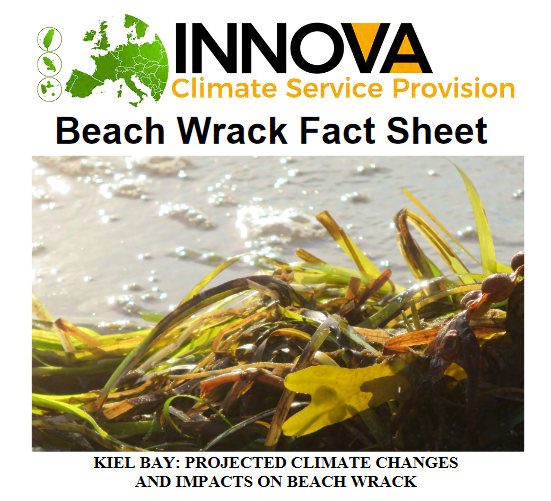
This fact sheet for the project INNOVA illustrates a literature review on the effects of climate change on beach wrack landing on the German Baltic Shore. Beach wrack consists mainly of bladderwrack and seagrass and it is likely that climate change will have various effects on these plants. Aspects like rising water temperature, erosion, changes in salinity, eutrophication or oxygen deficiency are all affected by climate change. This will have direct effects on the composition and amount of beach wrack landing on the Baltic Sea shores.
This article gives an example of how to use Segrass in a sustainable way. "Using Seagrass as Insulation Material" by Nico Stelljes is published in the "Baltic Stories Magazine" that is devoted to promoting cooperation around the Baltic Sea, joint initiatives and projects of the European Union Strategy for the Baltic Sea Region (EUSBSR). The article is available online.
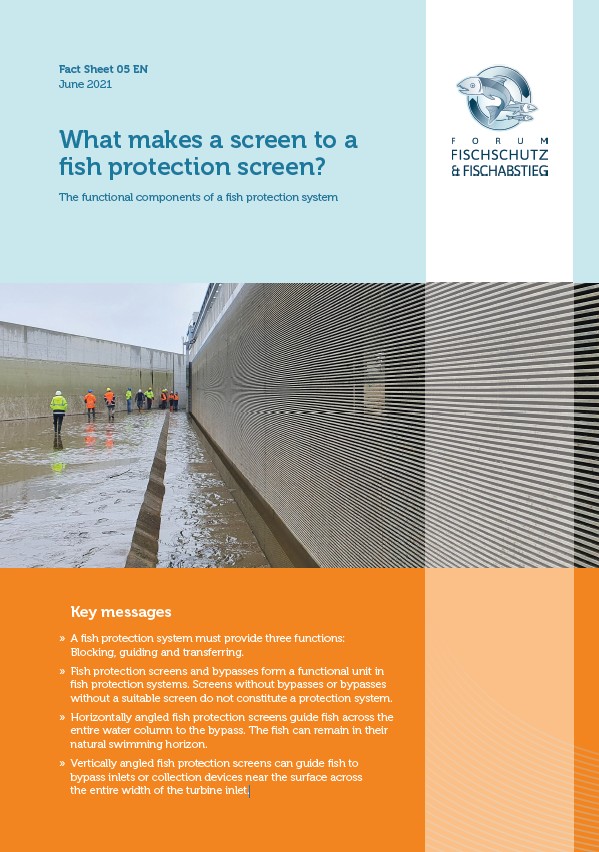
This fact sheet examines the functional elements of a fish protection system and explains when a rake is a fish protection rake. The fact sheet "What makes a screen to a fish protection screen" is available for download.
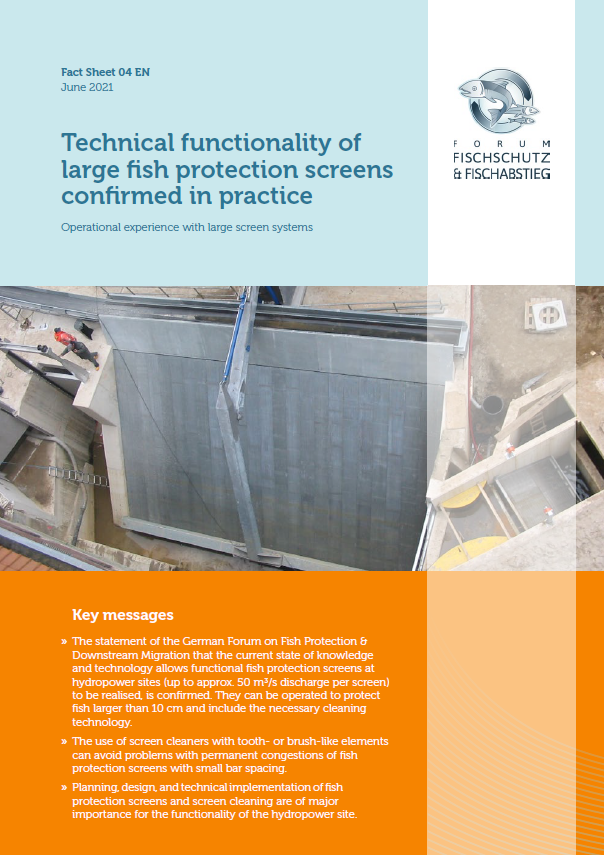
In 2014, the German Participatory Forum on Fish Protection and Downstream Migration was able to develop a common understanding of the size of a screen up to which functioning mechanical fish protection and descent systems, including the necessary cleaning technology, can be implemented. The objective of the research underlying this Fact Sheet 04 was to verify whether the statement of the German Participatory Forum on Fish Protection and Downstream Migration is confirmed in the actual operation of existing fish protection screens. Fact Sheet 04 "Technical functionality of large fish protection screens confirmed in practice" is available for download.
Dr. Stephan Sina, Senior Fellow of Ecologic Institute, gave a keynote speech at the China-EU Conference on Climate Change Legislation on 29 June 2021. He presented the main features of the Climate Change Act (KSG) and its latest amendments based on the decision of the Federal Constitutional Court on 24 March 2021. He also participated in the discussion session after the presentations.
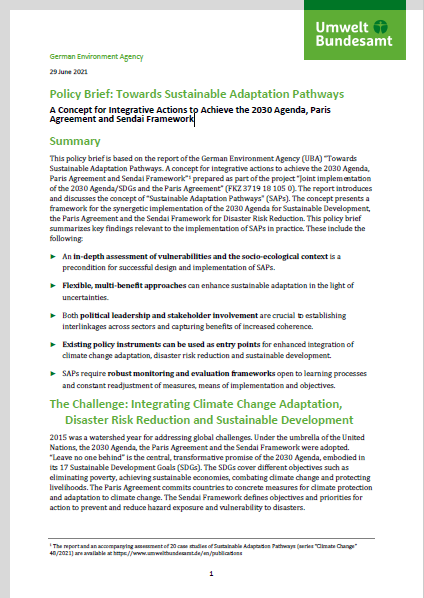
Bueb, Benedict, Tröltzsch, Jenny (2021): Policy Brief: Towards Sustainable Adaptation Pathways A Concept for Integrative Actions to Achieve the 2030 Agenda, Paris Agreement and Sendai Framework. Dessau-Roßlau: Umweltbundesamt
In this project, Ecologic Institute in cooperation with Oeko-Institut and Giessen University, analyses measures for climate-friendly soil use and the challenges and opportunities of transfer-based instruments as well as other funding mechanisms to promote these measures. In addition, current legal and political framework conditions for nature-based solutions and climate-friendly soil use will be examined.
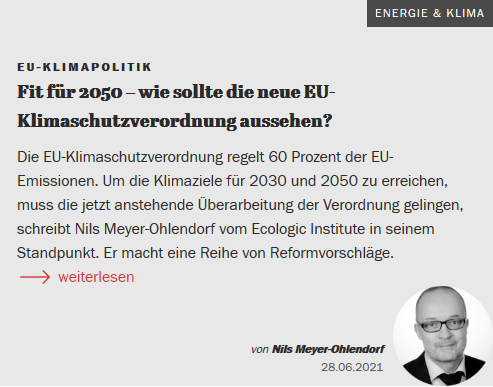
The EU Climate Action Regulation governs 60 percent of EU emissions. To achieve the climate targets for 2030 and 2050, the upcoming reform of the regulation must be a success, writes Nils Meyer-Ohlendorf in the Tagesspiegel. He makes a number of reform proposals. The article is available online.
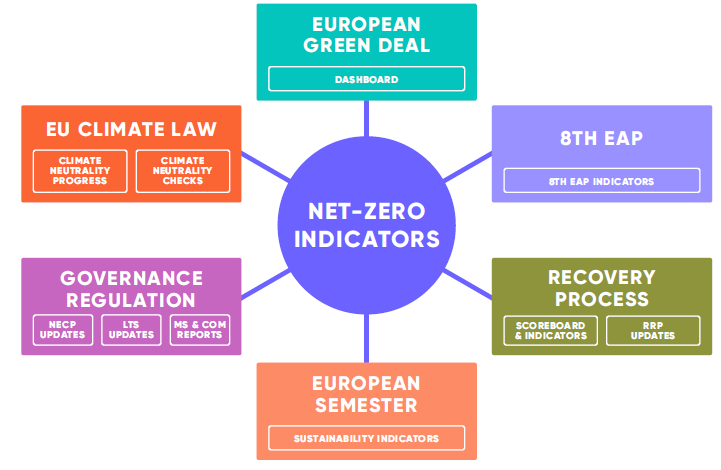
How well is the EU doing in its pursuit of climate neutrality by 2050? Are national long-term strategies and national energy and climate plans up to the task? Are the recovery efforts in line with this goal? Across EU policy, a range of processes are in the process of developing methods to assess progress towards climate neutrality – but there is no integrated set of "net zero indicators" being developed to do the job. And simple greenhouse gas emission data is not enough to judge whether the necessary transition is happening "under the hood" of Europe's economic sectors.