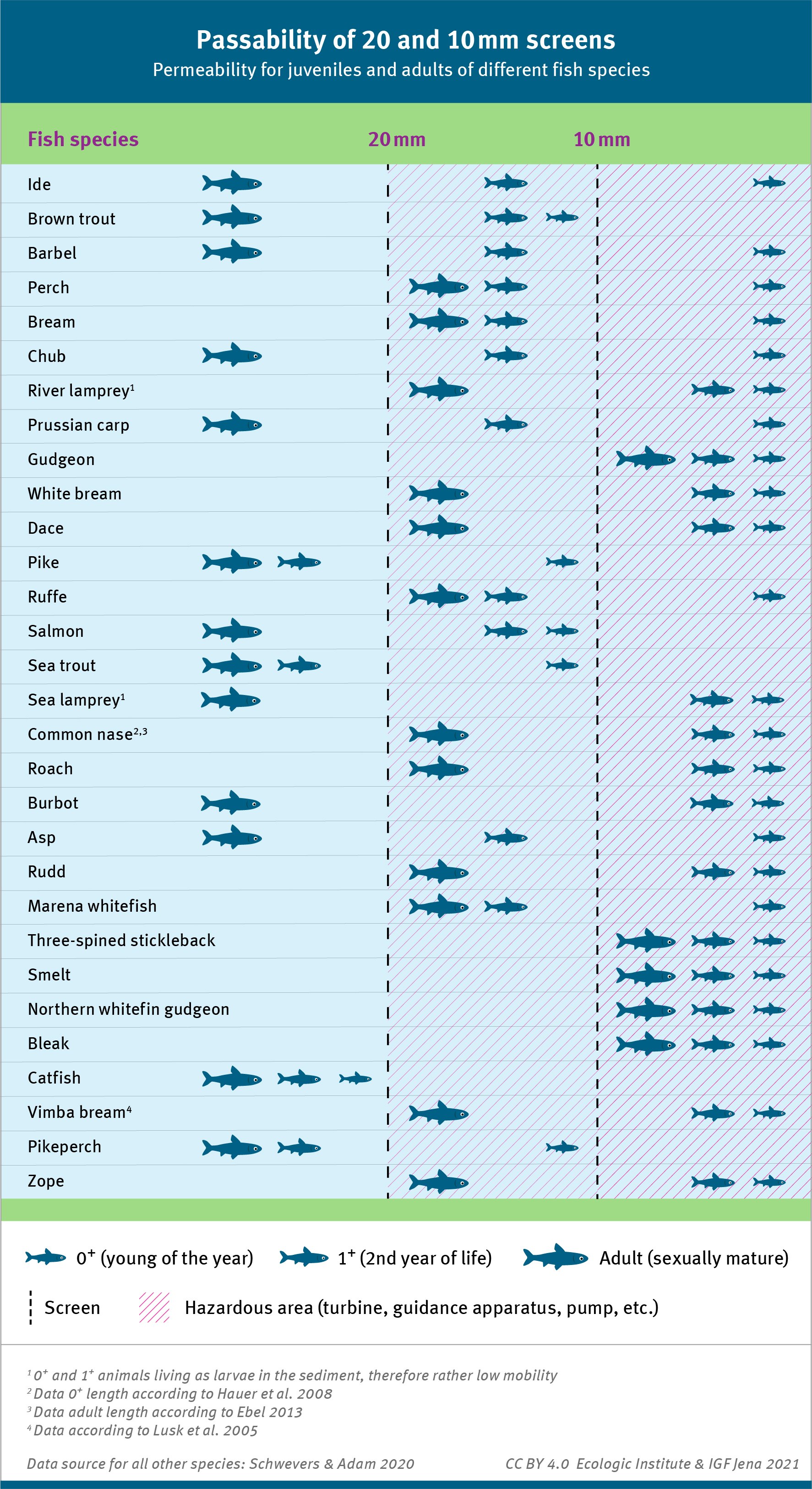
This infographic shows the permeability for juveniles and adults of different fish species on 20- and 10 mm screens. The infographic is part of the fact sheet "What makes a screen to a fish protection screen? The functional components of a fish protection system."
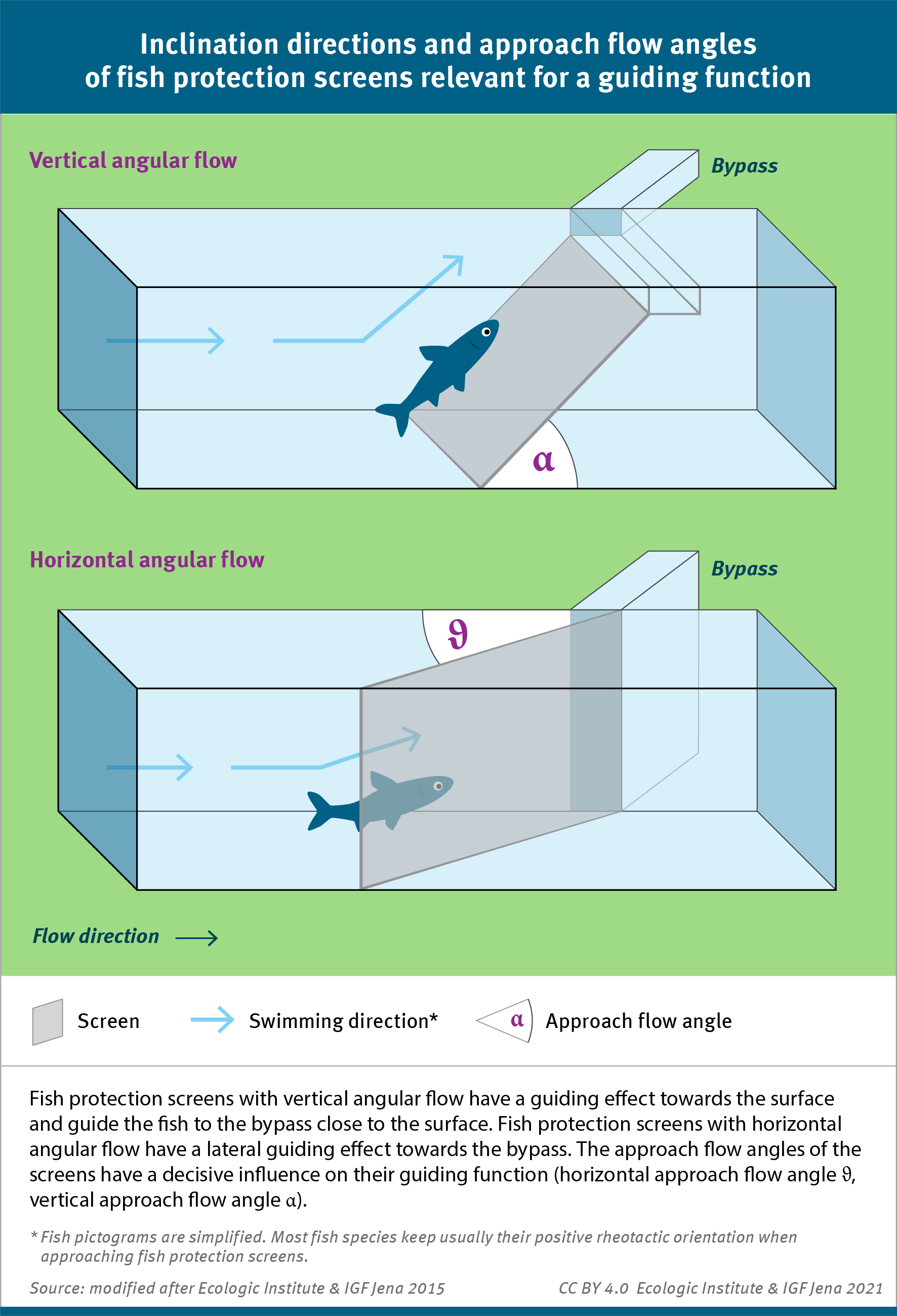
This infographic shows the differences between horizontally angled and vertically angled fish protection screens. The infographic is part of the fact sheet "What makes a screen to a fish protection screen? The functional components of a fish protection system."
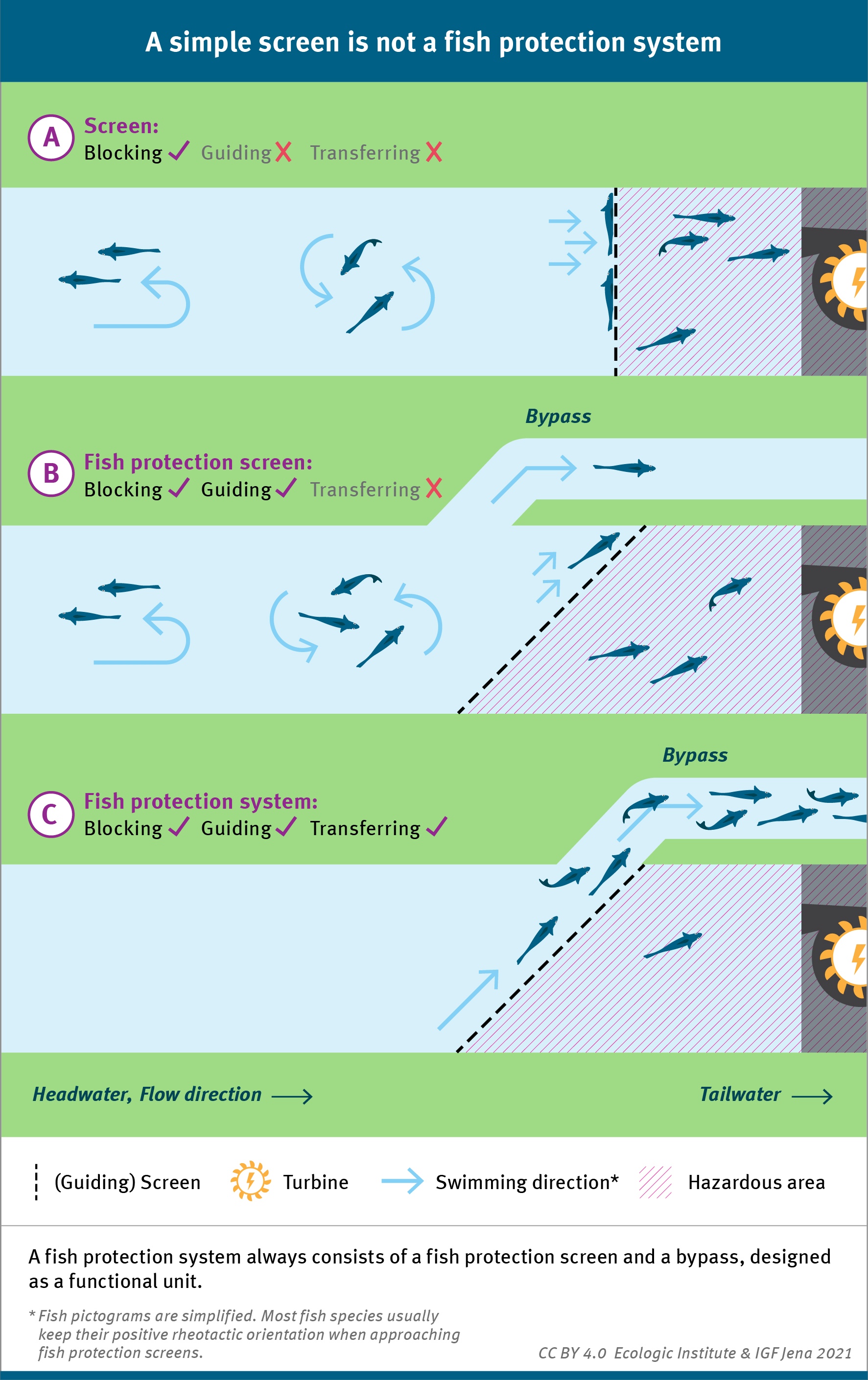
A fish protection system always consists of a fish protection screen and a bypass, designed as a functional unit. This infographic shows and explains the components. The infographic is part of the fact sheet "What makes a screen to a fish protection screen? The functional components of a fish protection system."
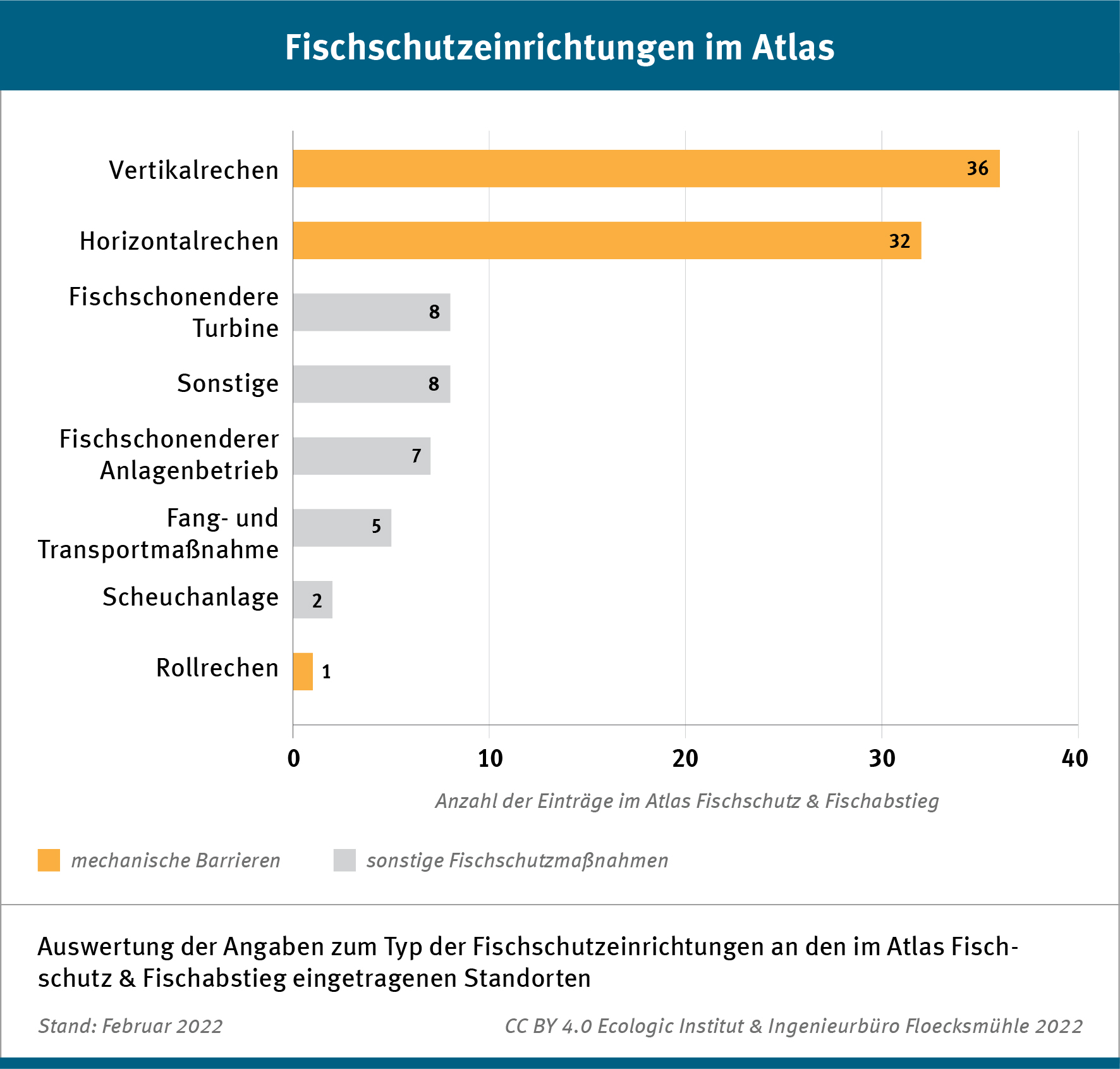
This infographic evaluates the information on the type of fish protection systems at the sites listed in the Atlas of Fish Protection & Downstream Fish. The infographic is part of a fact sheet on fish protection and downstream fish migration measures.
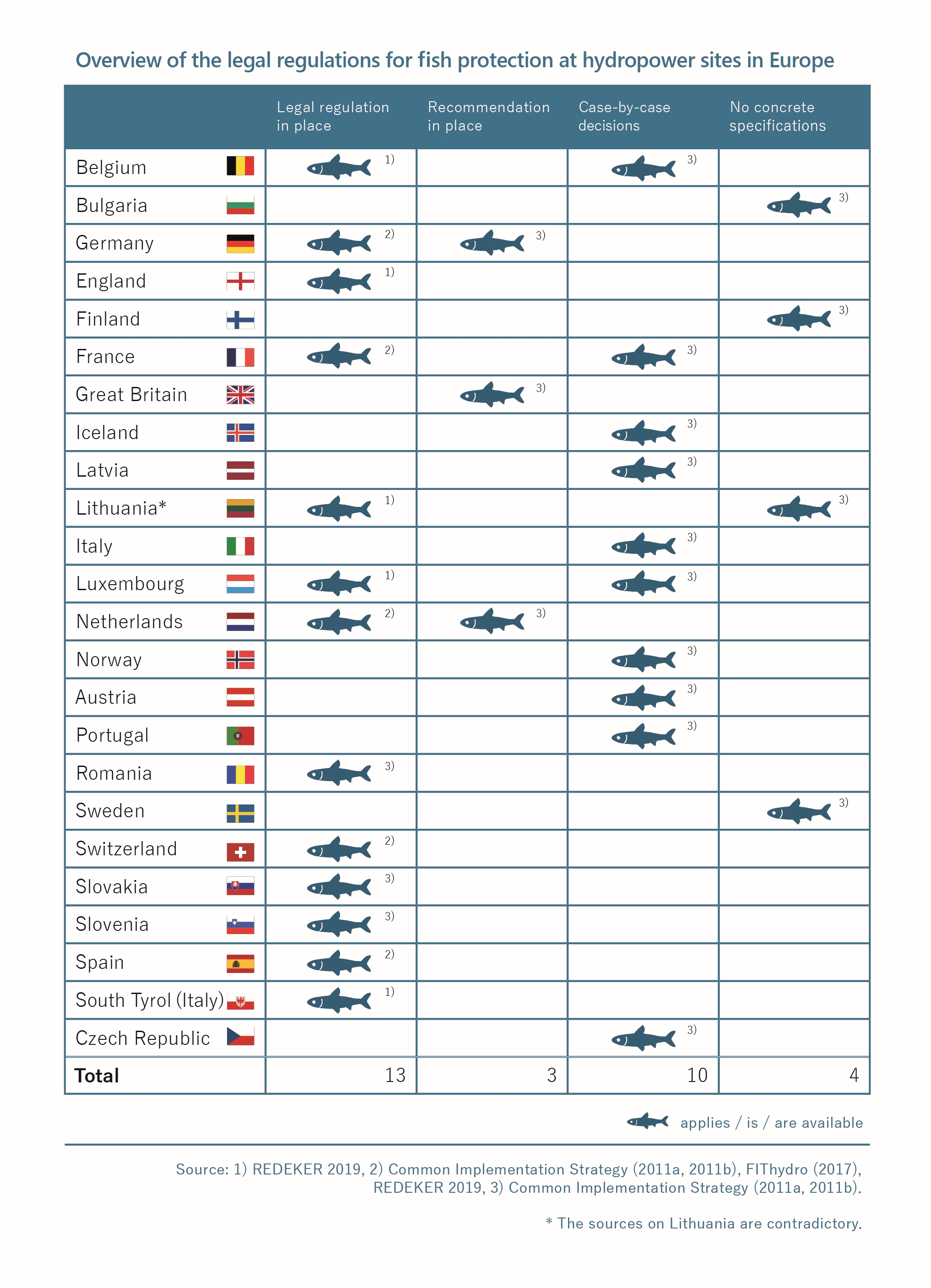
This infographic provides an overview of the legal regulations for fish protection at hydropower sites in Europe. The infographic is part of a fact sheet on fish protection targets in Europe.
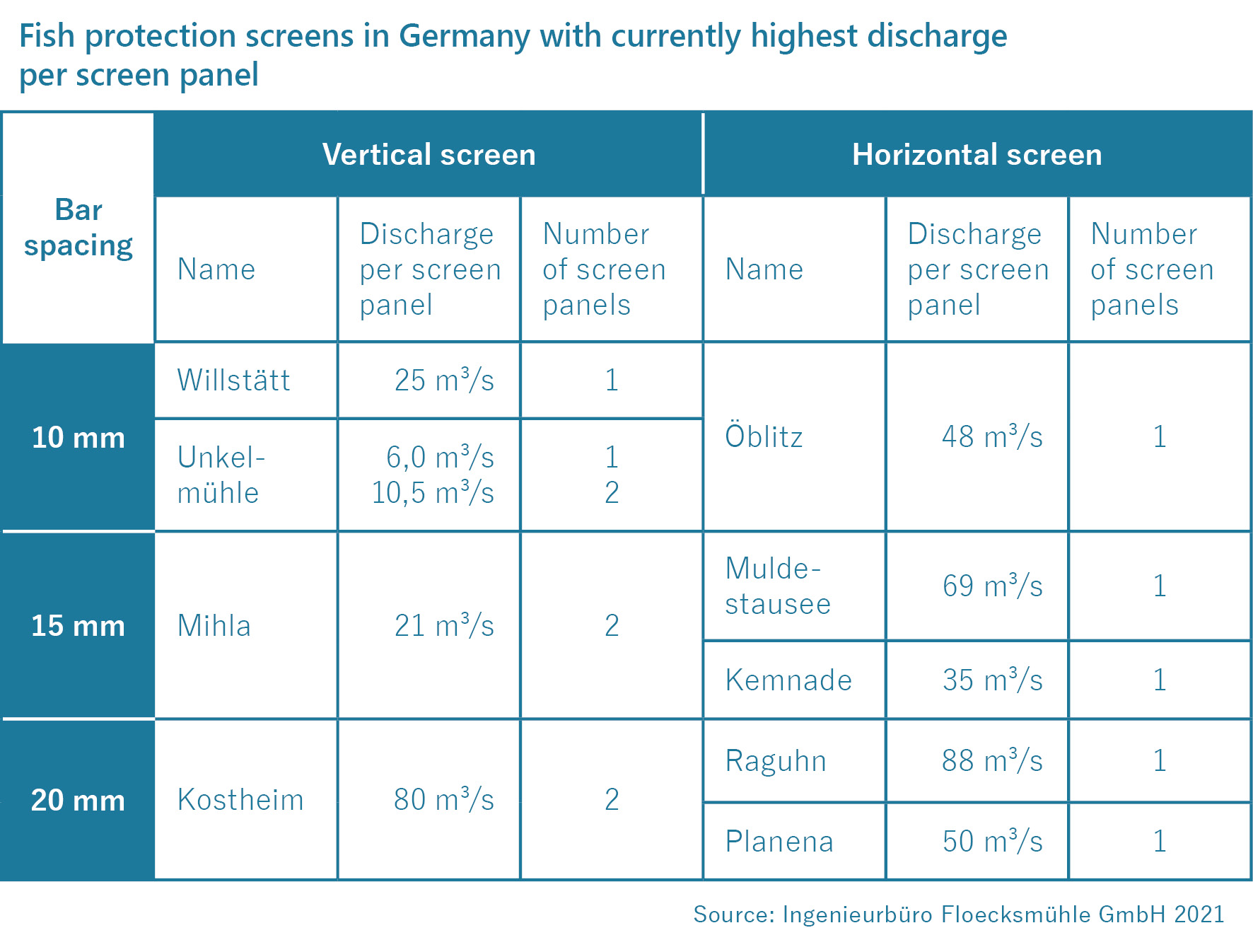
This table provides an overview of fish protection screens in Germany with the highest discharge per screen panel. The infographic is part of the fact sheet "Technical Functionality of Large Fish Protection Screens Confirmed in Practice."
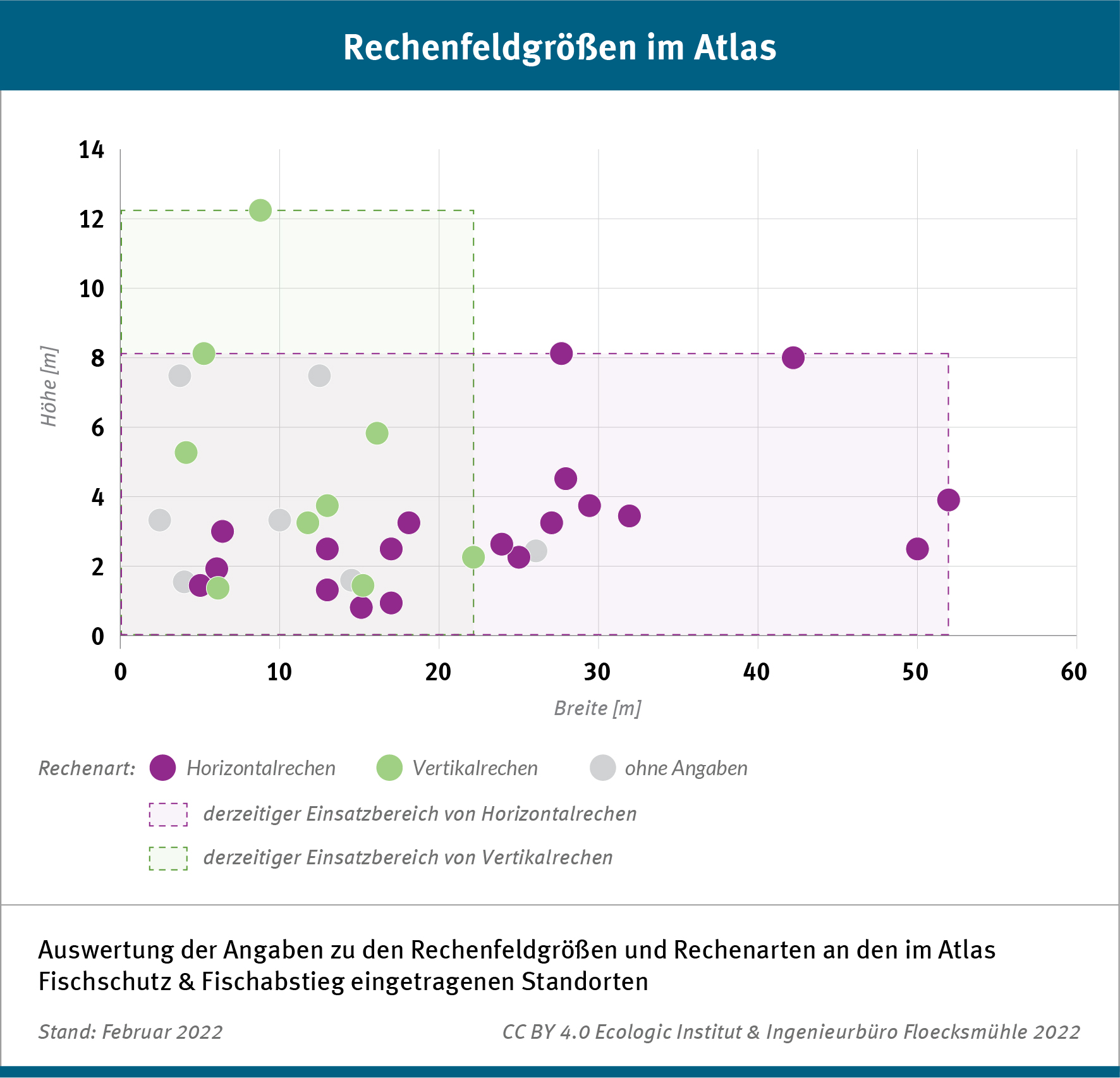
This infographic shows the dimensions of the screen field, entered in the Atlas of Fish Protection & Downstream Fish, for 37 sites. The resulting screen widths are between 2.35 m and 51.9 m and the screen heights are between 0.8 m and 12.20 m. The infographic is part of a fact sheet on fish protection and downstream fish migration measures.
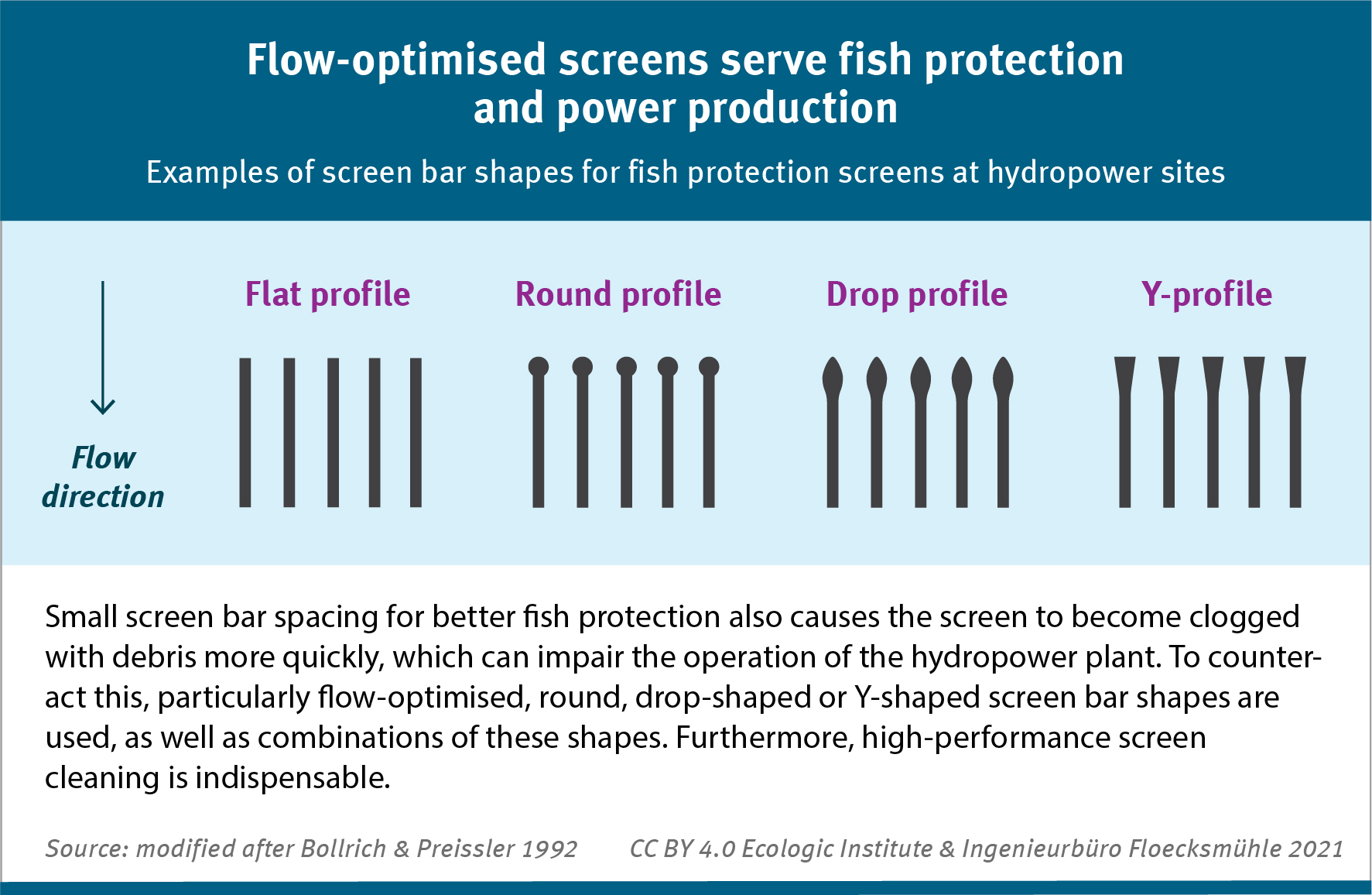
This infographic shows examples of screen bar shapes for fish protection screens at hydropower sites. The infographic is part of the fact sheet "Technical Functionality of Large Fish Protection Screens Confirmed in Practice."
Within the framework of the Global Bioeconomy Summit 2020, Holger Gerdes and Zoritza Kiresiewa, together with the POWER4BIO project, organized a breakout session on "Local-Level Bioeconomy" on 18 November 2020. This session formed part of the workshop "Rebooting the economy – sustainability, growth, and climate action delivered by the bioeconomy," which the European Commission's DG RTD hosted in collaboration with BE-Rural, POWER4BIO, and other partners. Holger and Zoritza took charge of the program design: they introduced BE-Rural, implemented participatory methods, and coordinated the flow via digital platforms so that more than 30 participants engaged interactively.
With the European Green Deal, the EU wants to become climate neutral by 2050. To achieve this, we must decarbonize our energy systems and economies. An important building block is the EU Taxonomy Regulation, which aims to channel money flows into green projects, technologies, and processes. The policy does so by classifying what is environmentally sustainable and what is not, thereby providing transparency for investors. In this project, Ecologic Institute critically accompanies this design process, prepares keynotes and fosters exchange between stakeholders from politics, industry, academia, and civil society.
The Berlin Senate Department for the Environment, Urban Mobility, Consumer Protection and Climate Action (SenUMVK) and Stiftung Initiative Mehrweg organised an online expert dialogue on "Reusable Transport Packaging" on 27 February 2023 to discuss potentials, challenges and elements for the expansion of reusable transport packaging together with experts from trade, the logistics industry, civil society and politics.
The COP27 in Sharm El-Sheikh was intended by the Egyptian presidency to be an implementation summit. The key outcome agreed was a financing mechanism with a fund specifically for damage and loss. Apart from that, the substantive outcomes of COP27 were mostly disappointing. This article by Dr. Ralph Bodle, Arne Riedel and Dr. Camilla Bausch provides an overview of selected outcomes, as well as insights into the process and the assessment by German civil society.
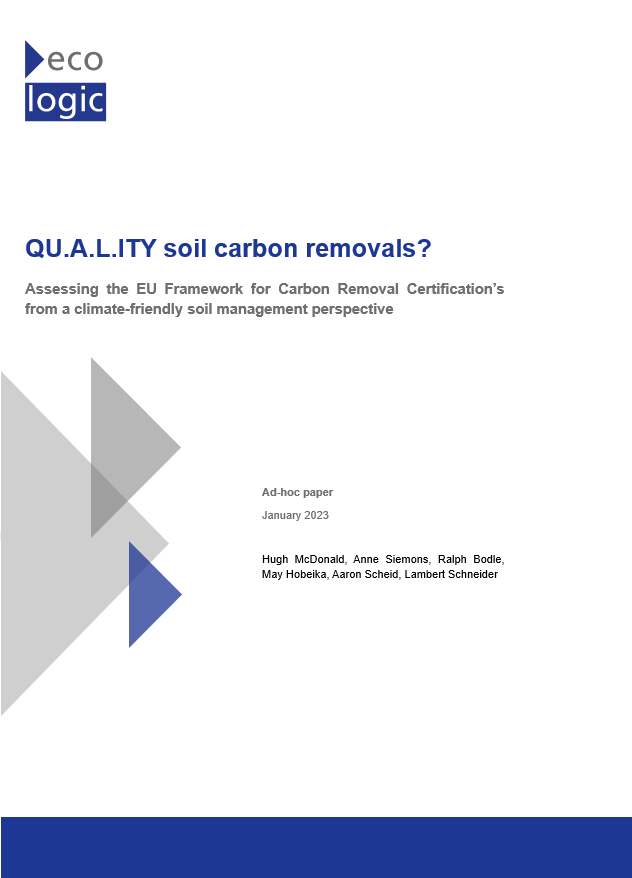
In this brief, researchers from Ecologic Institute and Öko-Institut critically assess the Commission's 2022 proposal for Framework for Carbon Removals Certification as it applies to climate-friendly soil management. In particular, they evaluate whether Framework's so-called QU.A.L.ITY criteria (Quantification, Additionality, Long-term storage, Sustainability) are sufficient to ensure high quality soil carbon removals. The brief summarises the specific challenge posed by soil carbon sequestration, identifies problems with the current proposal, and makes recommendations for improvements. The brief is available for download.
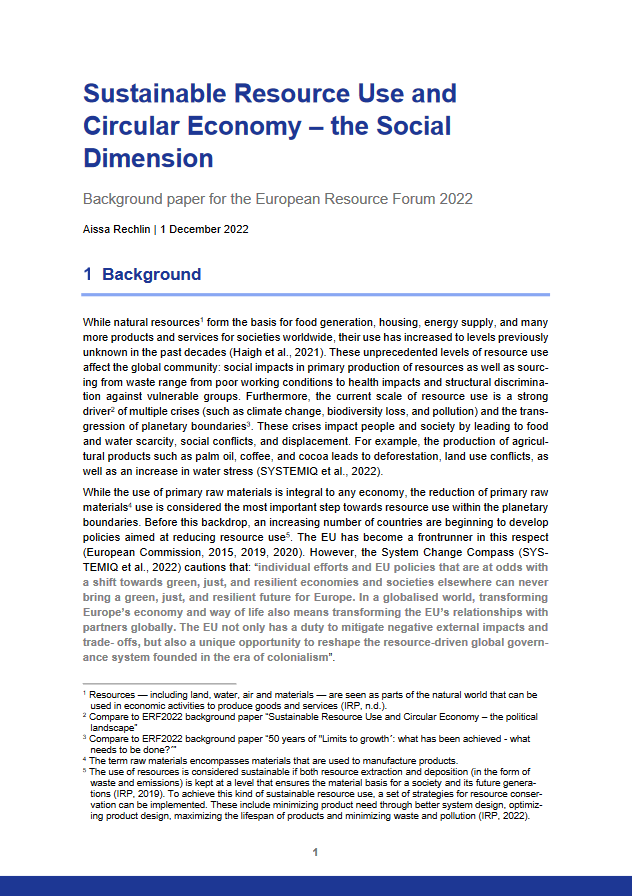
There is a clear need for sustainable resource use to confront the multiple environmental crises while allowing societies to thrive. Governments around the world seek to establish systematic policies towards the implementation of sustainable resource use and a circular economy. In the session "Sustainable Resource Use and Circular Economy – the Social Dimension" we take a closer look at how these developments affect the social aspects of sustainability. What implications can changing resource use patterns in Europe have for well-being, development, prosperity and health, especially in the global South? How can an inter- and intragenerational just resource use be achieved and what are the stumbling blocks?
In December 2022, the 6th European Resources Forum – "Transformative approaches for sustainable resource use and a circular economy" took place. Dr. Aissa Rechlin of Ecologic Institute supported the German Environment Agency in content-related issues surrounding the Forum, including the preparation of this background paper.