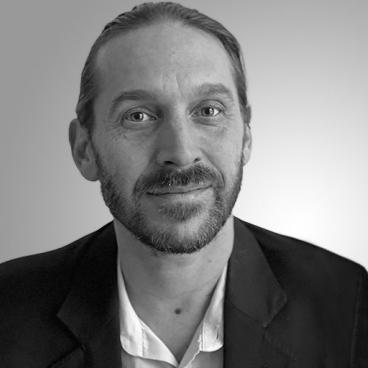
Michael Jakob
Dr. oec
Diplom-Physiker (Diploma in Physics)
DEA (International Relations)
Associate
- Team
Dr. Michael Jakob is an Associate at Ecologic Institute with more than 15 years of experience in international and European energy and climate policy. He has published more than one hundred papers on socially just climate policies, the political economy of energy policy and the relationship between globalisation and climate change mitigation. Recent research includes several studies on the design and distributional implications of the EU’s Carbon Border Adjustment Mechanism and on the potential and limitations of green industrial policies. He works in both German and English and has a good knowledge of Spanish and French.
Within the Kopernikus project "Evidence-based Assessment for the Design of the German Energy Transition" (Ariadne), he has participated in a study assessing the distributional implications of the envisaged EU ETS2 and works on geopolitical aspects of the clean energy transition, in particular with regard to import dependence.
Dr. Michael Jakob has worked for the Potsdam Institute for Climate Impact Research (PIK) from 2007 to 2013, the Mercator Research Institute for Global Commons and Climate Change (MCC) in Berlin from 2013 to 2020 and the Öko-Institute in Berlin during 2021. He has published extensively in academic peer-reviewed journals and has continuously strived to communicate scientific findings to a broader audience through teaching, public lectures, and being the author of newspaper articles, blog posts, and a popular science book. Michael has also advised governments, international organisations and NGOs and has been a contributing author to the 5th Assessment Report and the Special Report on Renewable Energy Sources of the Intergovernmental Panel on Climate Change (IPCC).
Dr. Michael Jakob holds a PhD in economics from the Technical University of Berlin and degrees in physics, economics, and international relations from the Technical University of Munich (Germany), the University of St. Gallen (Switzerland), and the Graduate Institute for International Studies in Geneva (Switzerland).
Recent content by Michael Jakob
How the Net-Zero Transformation Affects Fossil Fuel Exporters
Security Implications and Policy Options for the EU
Year
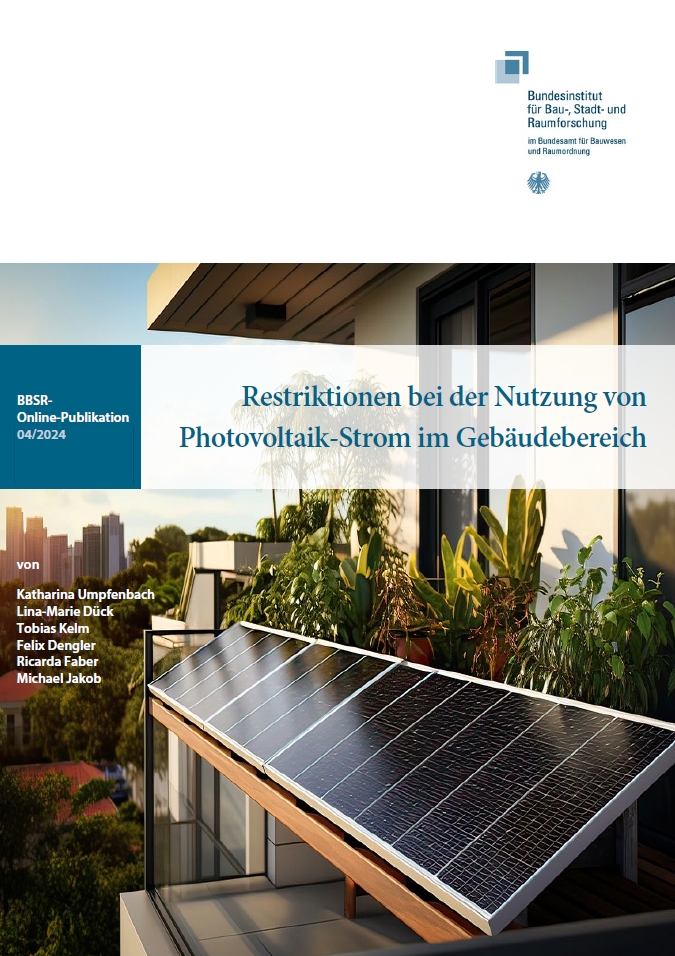
Read moreModels for the Generation and Use of PV Electricity for Multi-party Buildings
Hybrid Expert Workshop
Berlin,
Germany