This report discusses on the implications of the EU's Carbon Border Adjustment Mechanism (CBAM) for imports of PtX products to the EU. PtX means essentially hydrogen based on electrolysis and its derivates. After providing an overview of the CBAM mechanism, its implementation phases and the roles and responsibilities of producers within CBAM, the report provides insights into the calculation of embedded emissions for PtX products, including examples for imported ammonia and crude steel.
The Carbon Removal Certification Framework (CRCF) proposal of the European Commission and the proposed amendments by Council and European Parliament include minimum sustainability criteria for carbon removals. These criteria are vague and require specification. A new paper by Oeko-Institut and Ecologic Institute examines the sustainability criteria in detail. The German Environment Agency published the paper.
This report presents a stock-taking analysis of drought policies, planning and management in EU Member States and an outlook of planned work within the Member States and at EU level. It has been developed based on individual Member State assessments of the corresponding legislation, planning and management, including the latest available versions of (draft) River Basin Management Plans in spring 2022, using a common questionnaire, as well as more than 70 interviews with Member State administrations and stakeholders and a wide review process.
The 4i-TRACTION research has identified additional instruments with untapped potential and possible game changer qualities, that can help tackle challenges of transformative change other policies struggle to address. In this side event, the 4i-TRACTION project presented three policy instruments that can support transformative change: transition plans for banks, public procurement for climate neutrality and integrated infrastructure planning.
In a three-day series of events in Brussels from 5 to 7 December 2023, partners from the Kopernikus project Ariadne presented important findings from their work that are relevant for the further development of EU climate and energy policy. They discussed these with representatives from political institutions, science, civil society and business. Participants enjoyed a varied program with workshops on current topics such as the future electricity market design, challenges of the energy transition, improvement of the EU governance mechanism, the role of household surveys in climate policy or the integration of negative emissions into the ETS.
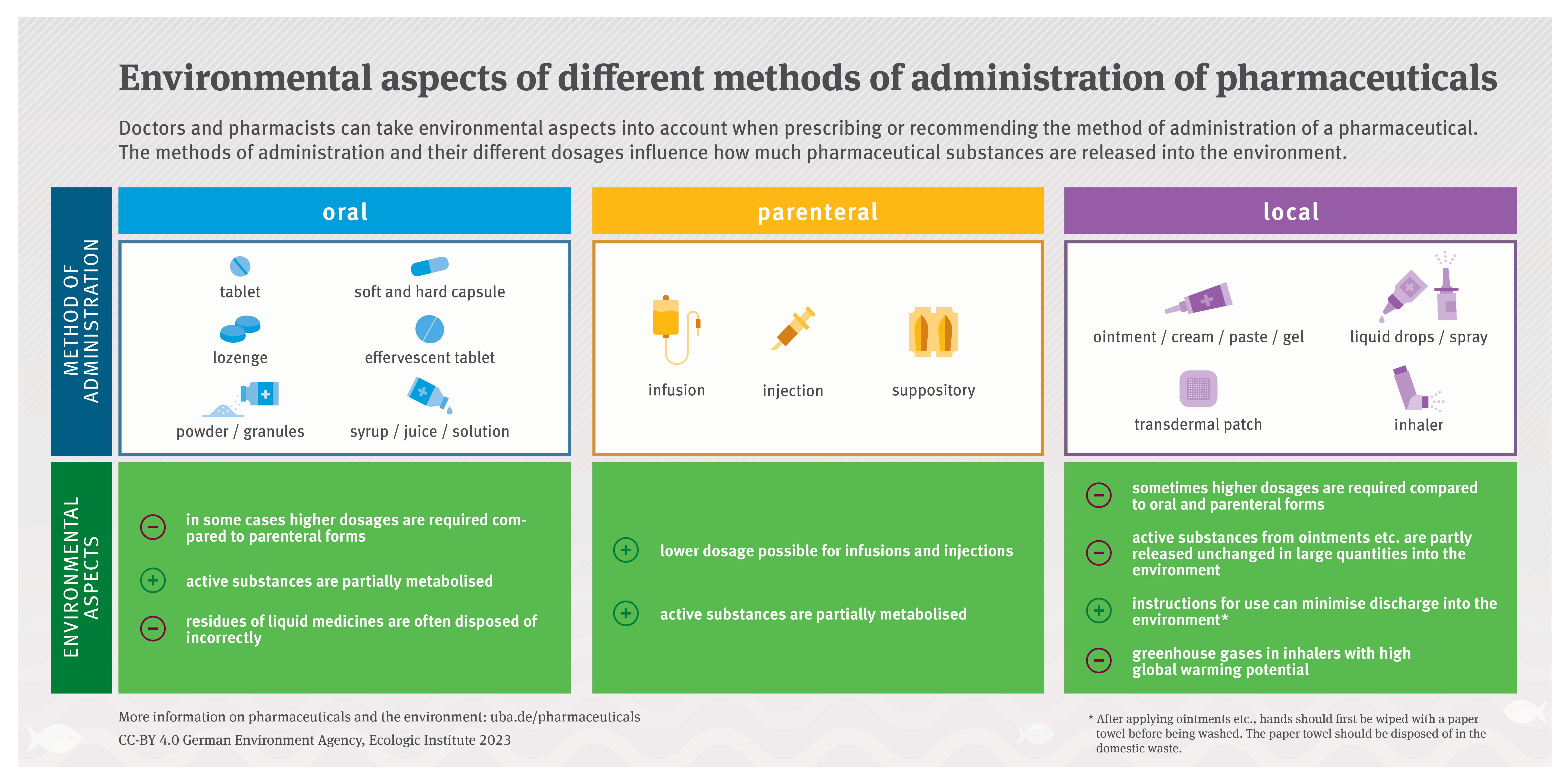
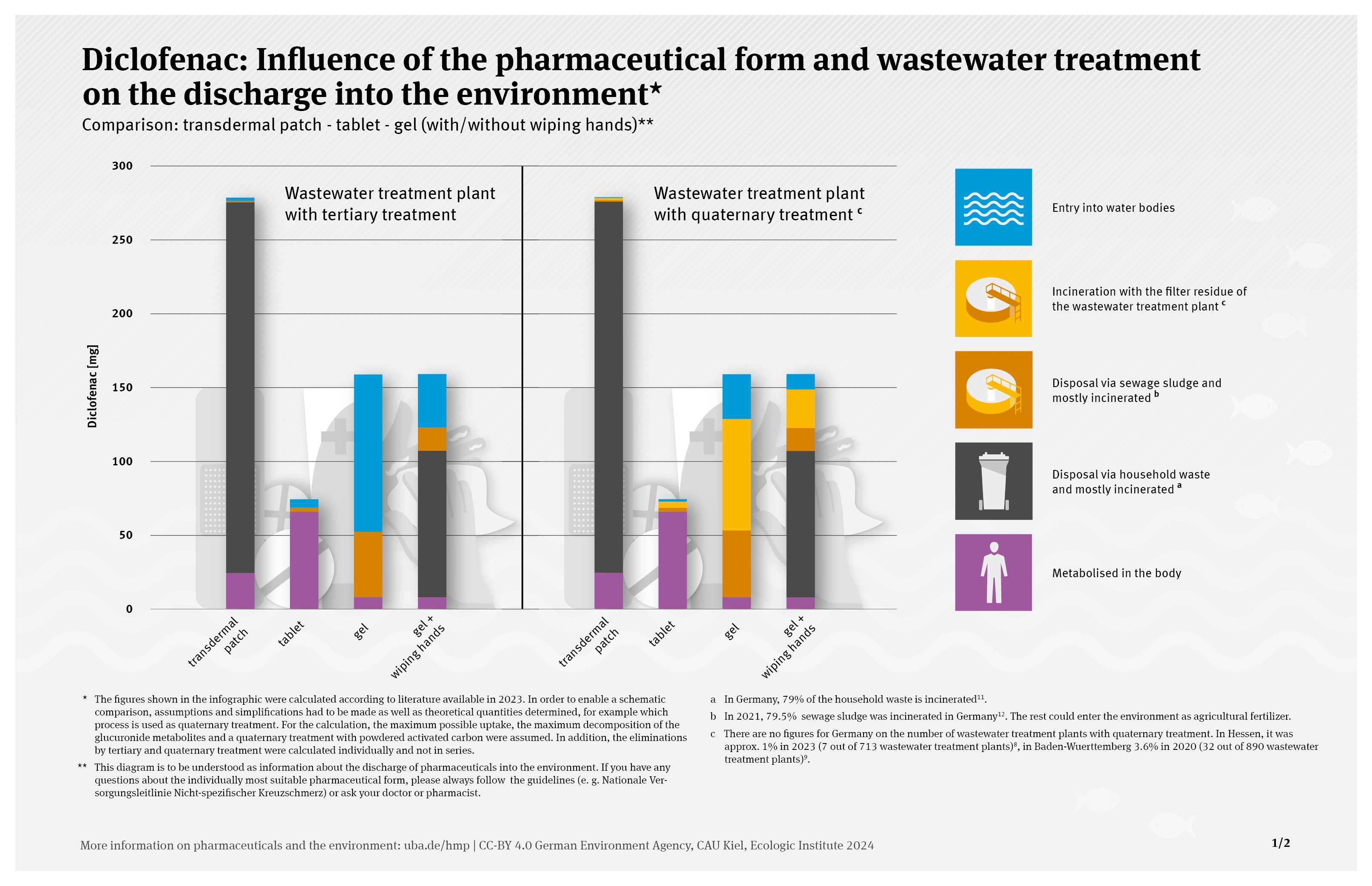
The decision to use a particular form of administration of a pharmaceutical can have an impact on the release of pharmaceutical substances into the environment. This infographic provides a comprehensive overview of common routes of administration of human medicines and their potential environmental impact.
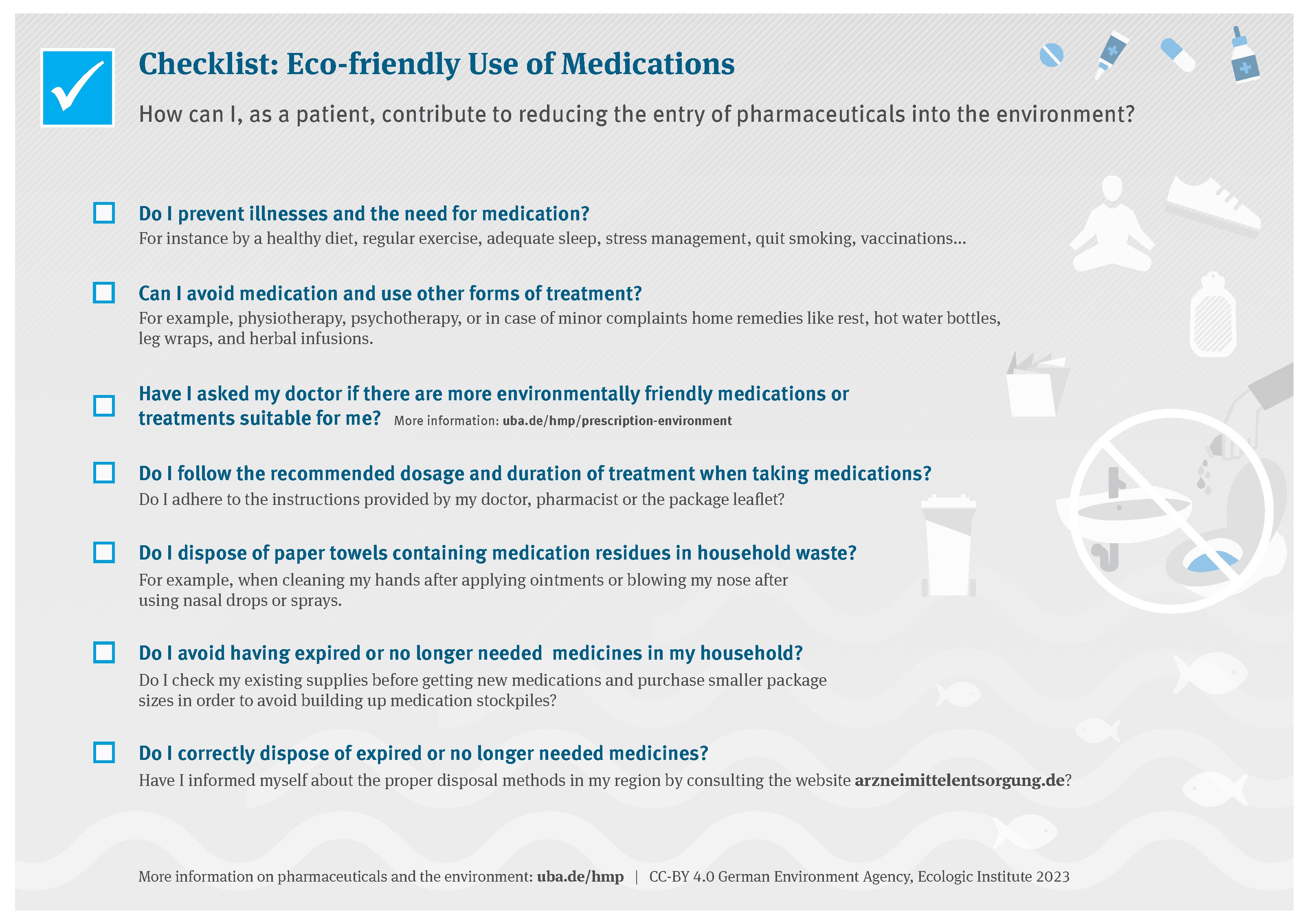
By using pharmaceuticals in an environmentally conscious manner, patients can help to minimize their release of pharmaceuticals into the environment. The core elements have been compiled in a checklist to provide quick and effective information on environmentally friendly patient behavior.
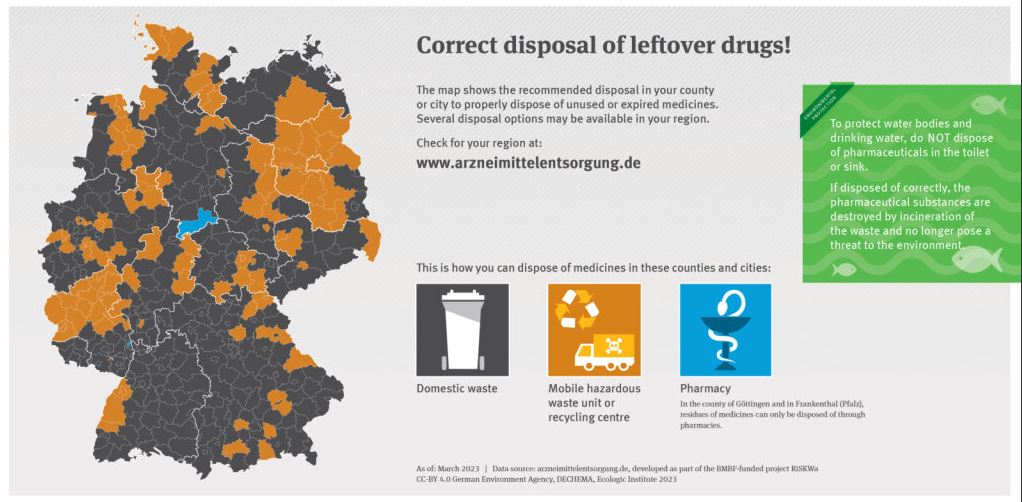
The improper disposal of (used) pharmaceuticals via the toilet and sink is still one of the largest avoidable ways in which pharmaceuticals enter the environment. This infographic therefore provides information on the correct disposal of leftover pharmaceuticals in Germany.
The analgesic and anti-inflammatory pharmaceutical active ingredient Diclofenac can be administered in various forms of application. The discharge of the active ingredient into wastewater varies depending on the form of application. The final entry into the environment's water bodies is additionally influenced by the type of wastewater treatment.
Ecologic Institute and Ecorys are working hand in hand to support the Mission Soil by identifying key stakeholders who take ownership, building their commitment, and creating a network of Mission Soil Ambassadors. Our efforts are reflected in the latest fact sheet, which shows more individuals and organisations joining in to endorse the Mission Soil Manifesto and promote healthier soil. The manifesto is a call to action for regional and local policymakers, citizens, and various stakeholders like farmers, educators, and companies to come together voluntarily and focus on improving soil health. Those who sign up commit to raising awareness, encouraging innovation, and taking practical steps to protect and restore soil, all without any legal obligations.
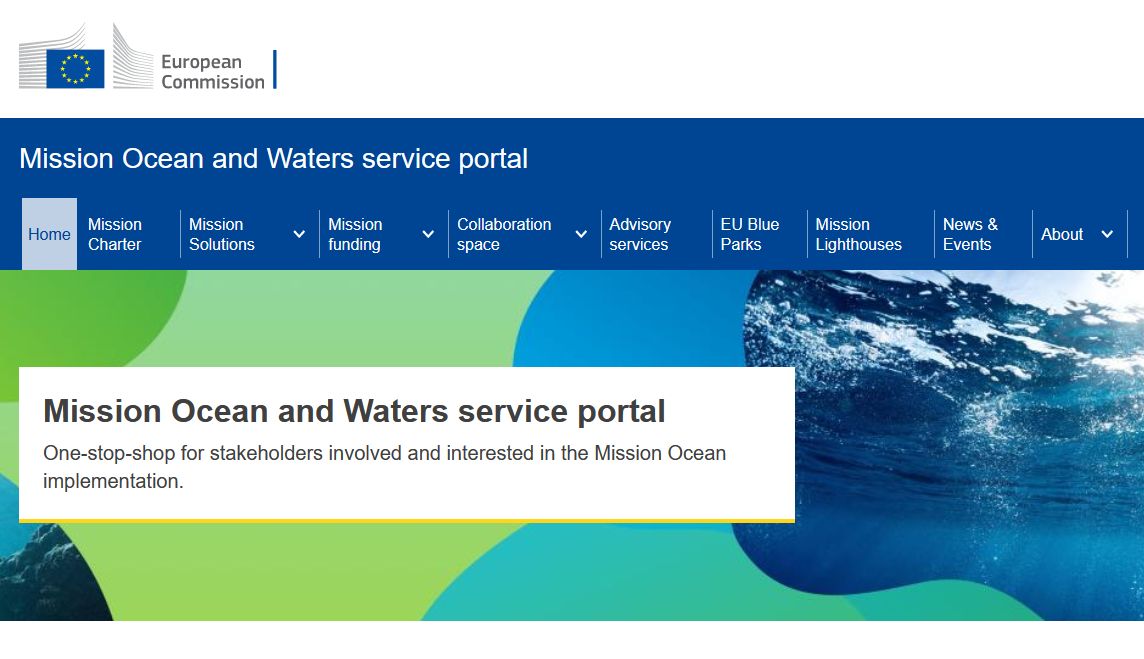
The Mission Ocean and Waters service portal is now live and serves as a comprehensive one-stop-shop for stakeholders, offering essential tools, contacts, knowledge, matchmaking, financing, and support for the successful execution of the EU Mission "Restore our ocean and waters by 2030". The service portal ensures access to knowledge for all citizens while extending support and technical assistance to Mission Partners actively involved in the Mission Ocean and Waters implementation.
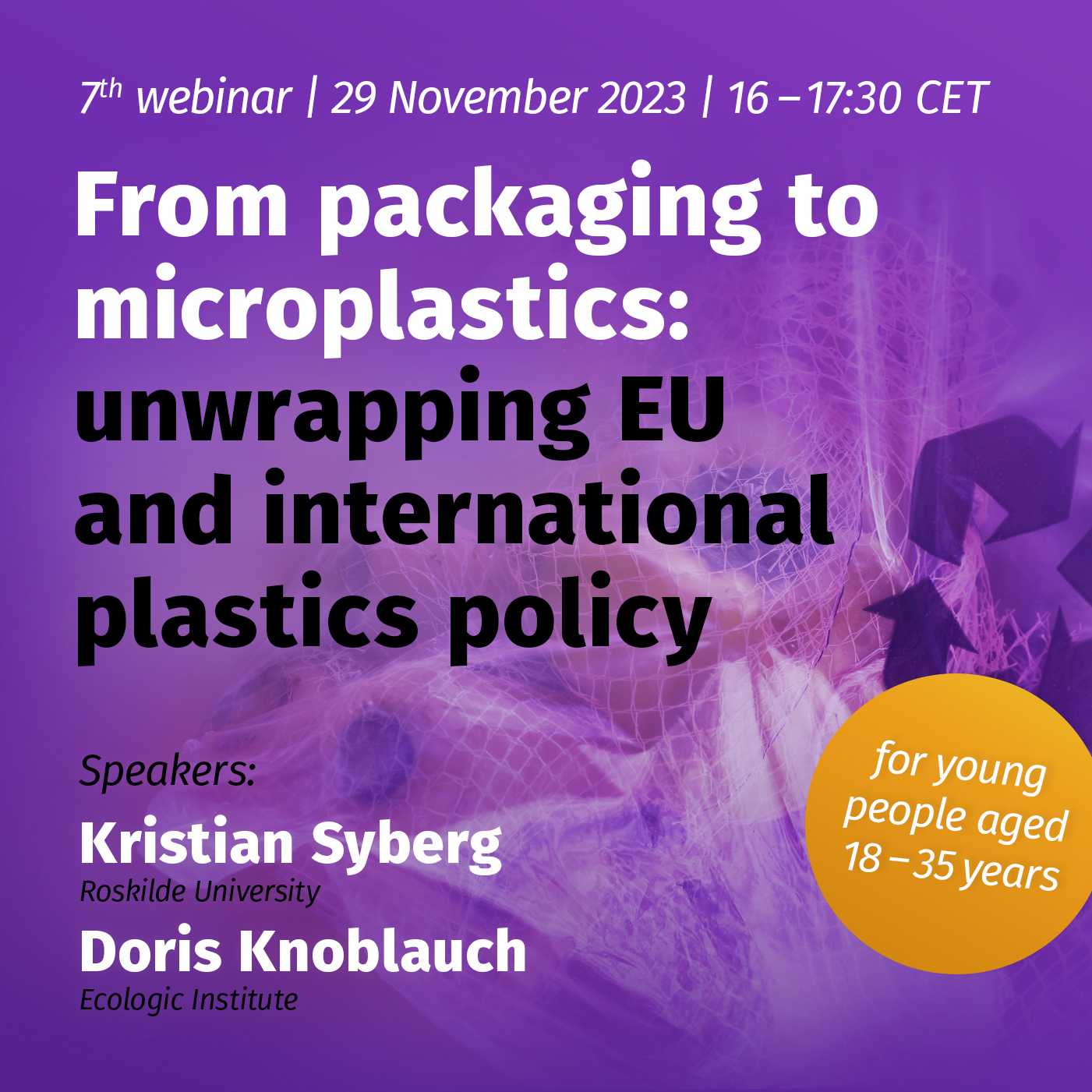
According to the European Commission, almost 26 million tonnes of plastic waste are generated annually in the EU. And since we learned how to produce plastic, humans have manufactured more than 8.3 billion tonnes of it – most of which ended up as a waste product somewhere on the planet. This process leads to plastic waste entering the landscape, rivers, beaches, and eventually ocean. So how can we possibly address a problem of this size?
A new report by the Ecologic Institute and the Oeko-Institut explores the role of carbon removals in the EU's climate framework for 2040. The report gives an overview of past trends in carbon removals in the EU, and explores possible contributions from natural and technical sinks to reaching the 2040 climate target. With a focus on measures and policies governing and incentivizing carbon removals, the report also examines the extent to which temporary and permanent carbon removals can contribute to achieving the EU's 2040 target.
Nature-based solutions (NbS) are widely recognized for their potential to transform urban spaces into sustainable and environmentally friendly environments. Yet open questions remain around how this can be done in practice, what role different stakeholders can play, and what key challenges and opportunities exist. These topics were explored in the science-policy symposium "Regreening Cities with Nature-based solutions in EU and China – Bridging Science, Policy, and Practice". Ecologic Institute's McKenna Davis presented insights from the INTERLACE project on a panel in the session "Enabling Transformation in Urban areas with Nature Based Solutions".
In some EU Member States, water balances have been in place for a long time, whilst for others this is a new field of water management. To support their development and use, an EU guidance document was adopted in 2015; however, there are still major challenges for their implementation. The analysis for this report has grouped these challenges (based on Member State self-assessments as well) in four clusters.