Decoupling economic growth and resource use is a core objective of the "European Green Deal". How this is to be achieved is formulated in the new "Action Plan for the Circular Economy" and the "Industrial Strategy" of 2020. Reason enough to take a closer look at the current but also the older strategy papers – which concrete goals do the strategy papers contain – and which ones not? Which areas are addressed and which measures proposed – and what is announced for the near future? Is today's resource conservation policy more ambitious than in its early days? This paper presents the key political documents of European resource policy and traces lines of development.
This study, co-authored by Raffaele Piria, looks at energy policy and energy industry developments and debates on hydrogen in Canada and highlights potential for cooperation with Germany. There is a broad consensus that Germany will need to import significant quantities of sustainably produced hydrogen or derived products in the long term in order to meet its climate targets without overwhelming acceptance for domestic power generation.
How much and what kind of waste is found on European riverbanks? Are microplastics floating in our river towards the open sea? What measures could reduce the presence of single-use plastic items in the environment? These are just some of the questions that young people are exploring together with scientists in the citizen science project "Plastic Pirates - Go Europe!". The aim of the project is a wide-ranging, scientific survey of litter pollution along European watercourses and the identification of potential litter hotspots.
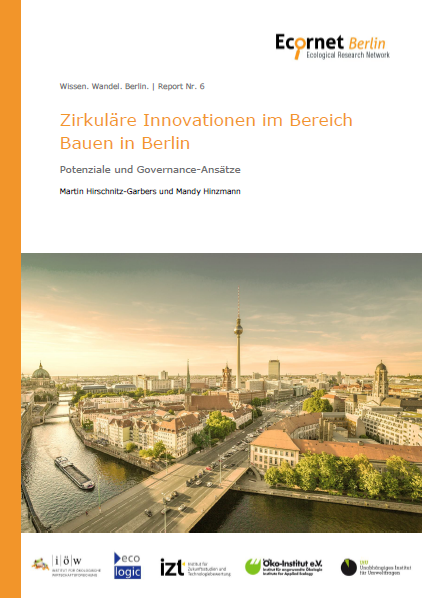
As part of the CiBER project "Circular City Berlin - pathways from potential to implementation", initiatives and business models are being investigated that can contribute to the development of a next-generation circular economy in Berlin. The special focus is on the areas of construction, electronics and textiles. The next-generation circular economy is about innovations in product design and product use systems.
The innovation field of construction is a resource-relevant field in Berlin – in 2017, the construction sector accounted for about 22 percent of the raw material input of the state of Berlin. Currently, the recycling rate for mineral construction waste is around 50 percent, and is expected to increase to more than 60 percent by 2030. Circular economy approaches in the field of construction have to cover the entire life cycle: from the design of durable and deconstructable structures to the use-phase and material-preserving re-use to circular business models.
In the framework of the scientific accompanying research (PlastikNet) of the research focus "Plastics in the Environment – Sources • Sinks • Solutions" (Plastik in der Umwelt – Quellen • Senken • Lösungsansätze) Ecologic Institute coordinates 20 joint research projects, which deal with plastics in the environment funded by the Federal Ministry for Education and Research (Bundesministerium für Bildung und Forschung, BMBF). This fact sheet series condenses the joint research project findings and presents them consistently in the project design.
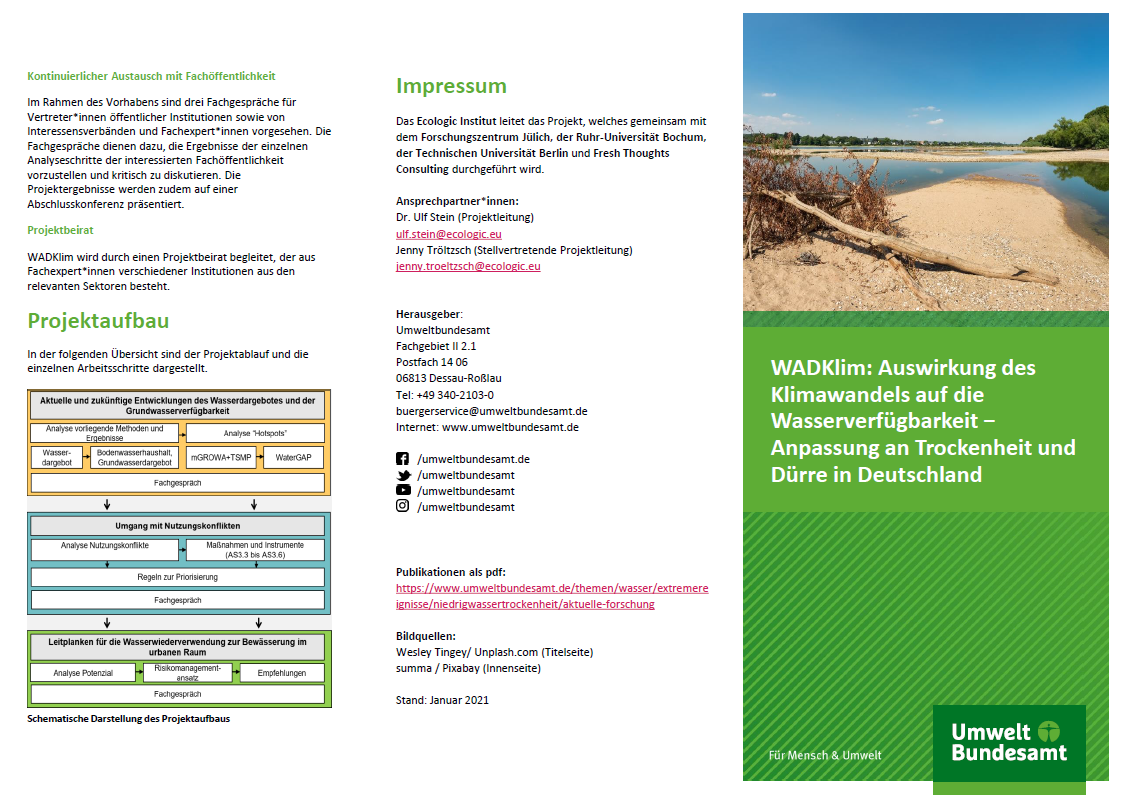
As part of the project "Drought and Water Use Conflicts in Germany (WADKlim)", Ecologic Institute developed a promotional flyer based on visual style and template of the German Environment Agency. The flyer contains relevant general information about the project – its theme, focus, aims, activities and contact information.
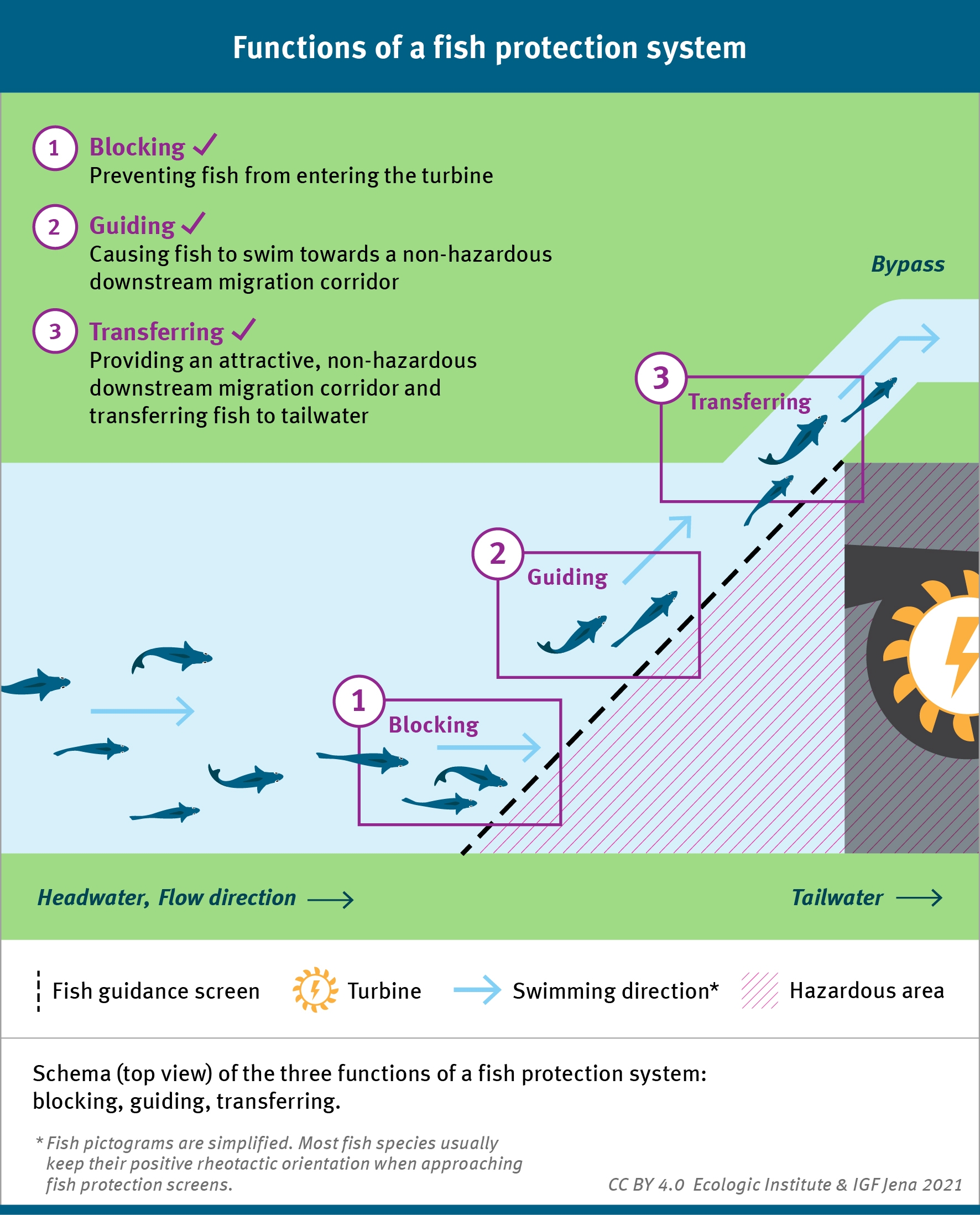
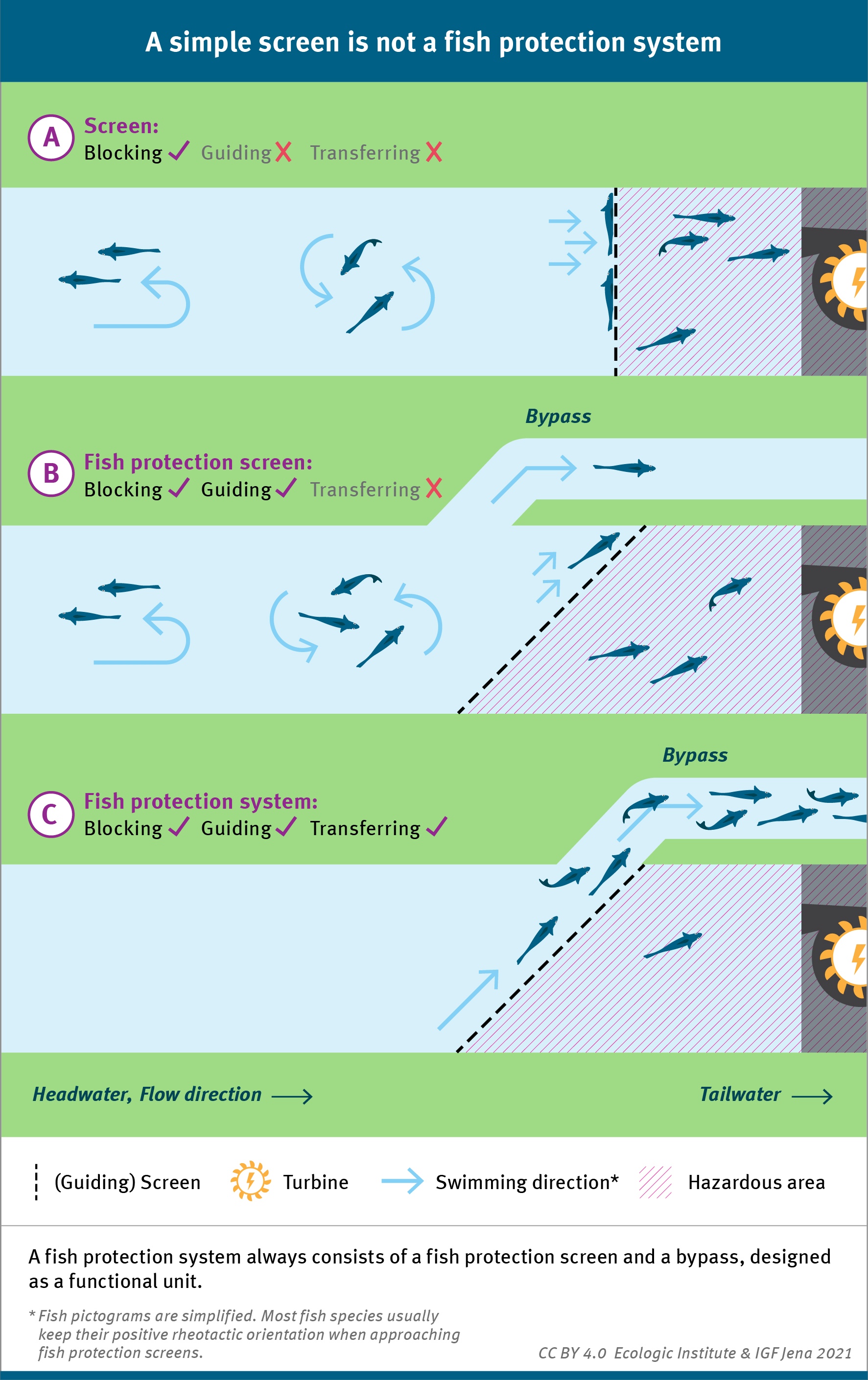
This schema shows the three functions of a fish protection system: blocking, guiding, transferring. The infographic is part of the fact sheet "What makes a screen to a fish protection screen? The functional components of a fish protection system."
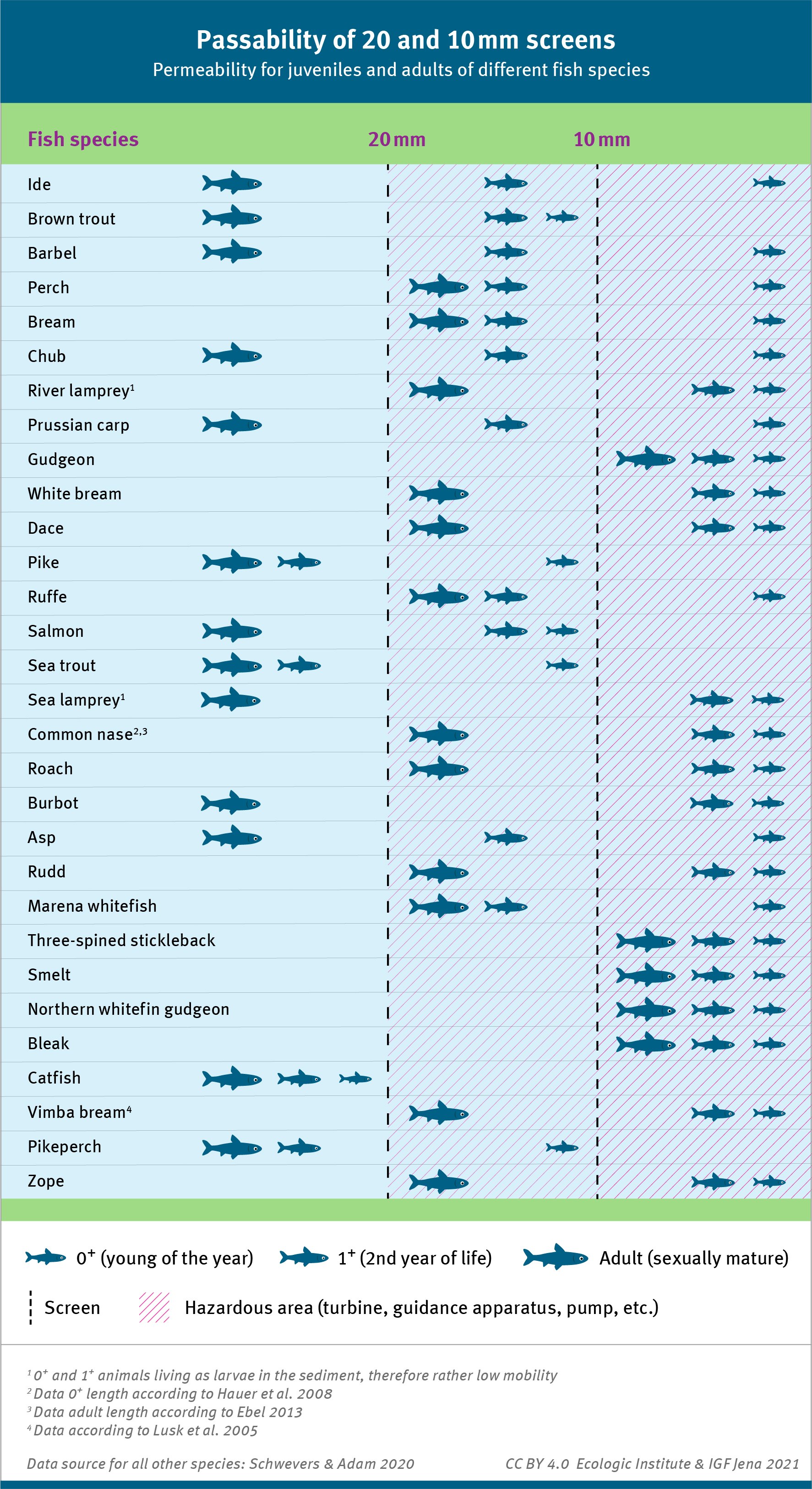
This infographic shows the permeability for juveniles and adults of different fish species on 20- and 10 mm screens. The infographic is part of the fact sheet "What makes a screen to a fish protection screen? The functional components of a fish protection system."
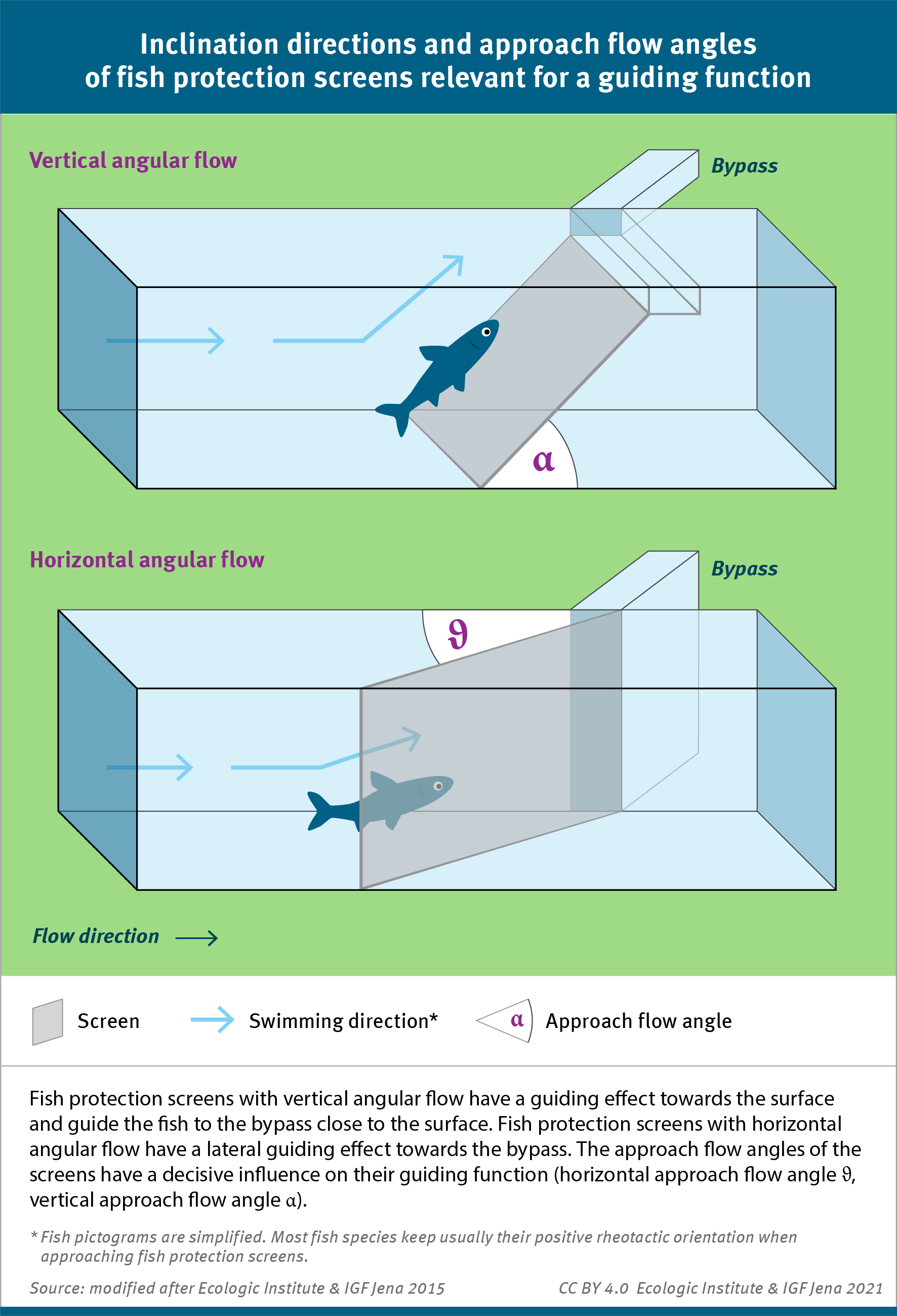
This infographic shows the differences between horizontally angled and vertically angled fish protection screens. The infographic is part of the fact sheet "What makes a screen to a fish protection screen? The functional components of a fish protection system."
A fish protection system always consists of a fish protection screen and a bypass, designed as a functional unit. This infographic shows and explains the components. The infographic is part of the fact sheet "What makes a screen to a fish protection screen? The functional components of a fish protection system."
The central objective of the Hydromorphology IV Workshop was to exchange experiences and information and to identify and reflect on challenges of the administrative and practical implementation processes of watercourse development measures.
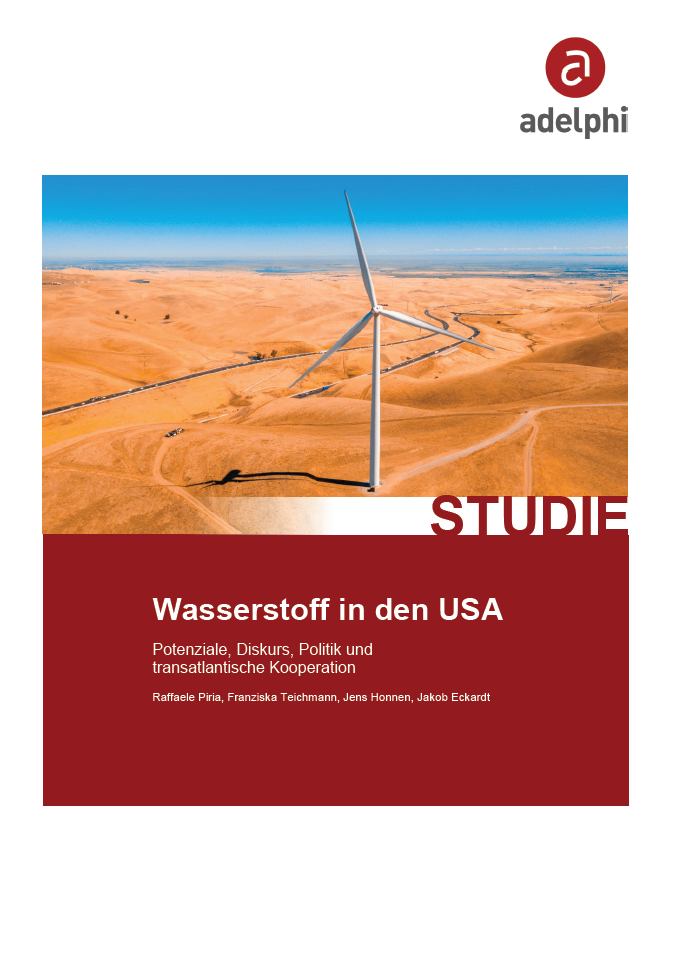
This study, co-authored by Raffaele Piria, analyzes energy industry and policy developments on hydrogen in the U.S. and develops an agenda for cooperation between Germany and the U.S. in this area. In addition to the foreign policy discourse, there are many opportunities for cooperation between Germany and the U.S. in the field of hydrogen.
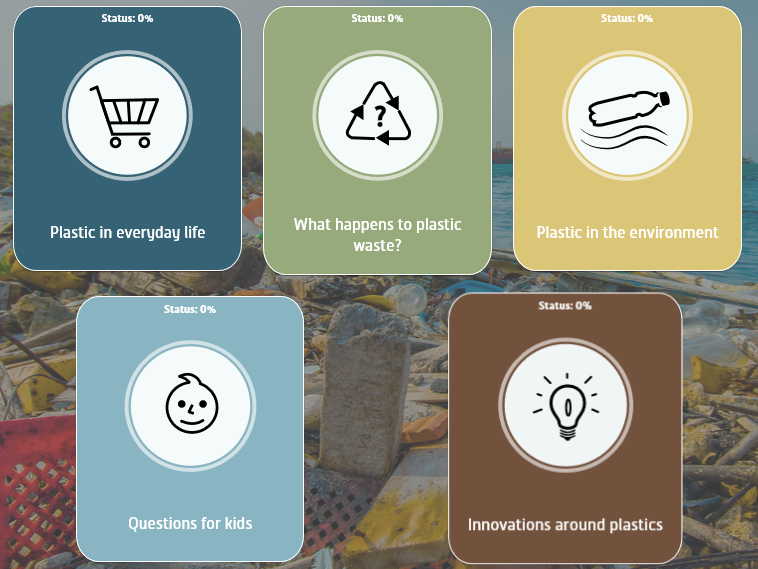
Plastics are all around us and make up an essential part of our daily lives. How much do we know about this material, its variety, the associated environmental problems and possible solutions? The quiz "Plastics in the environment - What do you know?" invites you to test your knowledge around the topic of plastics in five categories. Furthermore, the category "Questions for adults & children" contains questions suited for children.
The policy brief discusses the different policy pathways to reach the climate target, as presented in the EU Commissions Impact Assessement of the 2030 target plan. There are different ways how the EU can reduce emissions to -55%: mainly through tighter regulation and standards, primarily via carbon price or trough a mix of both. The policy mix route may seem most attractive: politically, it is the path of least resistance, as it continues on the current trajectory. And it promises the best of both worlds – the efficiency of carbon pricing and the certainty of regulatory approaches. At the same time, the mix has some conceptual arguments in favor: companion policies, like standards and infrastructure investment, ensure that consumers have more climate-friendly options to choose from and bring down their cost. Thereby, they make it easier to stomach higher carbon prices.