
Photo: Benjamin Kupilas, Cover page: John Wiley & Sons
Weak Effects From Human Impact on Composition and Trophic Structure of Fish Communities in a Tropical Lowland River System
- Publication
- Citation
Kjeldgaard, M. B., N. Friberg, T. E. Eriksen, et al. 2025. "Weak Effects From Human Impact on Composition and Trophic Structure of Fish Communities in a Tropical Lowland River System." Freshwater Biology 70, no. 12: e70155. https://doi.org/10.1111/fwb.70155.
Myanmar is a global biodiversity hotspot, home to over 570 freshwater fish species and many endemics. Yet its rivers face mounting pressure from pollution, land-use change and declining water quality – challenges that threaten both ecosystems and the communities depending on inland fisheries for food security. This study co-authored by Ecologic Institute's Dr. Benjamin Kupilas offers novel insights into how tropical fish communities respond to these stresses.
Assessing human impacts in tropical lowland rivers
The researcher team surveyed 12 stream sites in Myanmar's Bago region, spanning a gradient from relatively untouched forested reaches to heavily impacted stretches receiving untreated sewage. Using electro fishing, DNA barcoding, stable isotope analysis, and detailed environmental measurements, the team examined how degradation affects:
- Fish species richness and diversity
- Biomass and community composition
- Trophic structure and food-web organisation
Weak fish community responses to pollution
Although impacted sites showed clear signs of pollution (higher nitrogen levels and lower oxygen saturation) fish communities responded only weakly:
- Species richness and community composition remained largely similar across sites.
- Trophic niches also showed little change across the impact gradient.
- Fish biomass increased in degraded streams, likely driven by nutrient-stimulated primary production.
Only subtle trophic shifts emerged: fish at impacted sites exhibited lower minimum δ¹⁵N values and a slightly broader δ¹⁵N range, hinting at modified feeding pathways but not major disruption.
Fish alone may not be reliable bio-indicators in Myanmar's rivers
Unlike macroinvertebrates, which have shown clear sensitivity to pollution in the same river network, fish appear more tolerant, possibly due to higher mobility and physiological resilience to low oxygen. The strongest predictor of community similarity was catchment forest cover, underscoring the importance of land-use planning and watershed protection.
Contact

- Language
-
English
- Authorship
- Funding
-
Ministry of Foreign Affairs, Norway Royal Norwegian Embassy in Yangon, Myanmar, {Burma} - Published in
- Freshwater Biology, Volume 70, Issue 12
- Published by
-
John Wiley & Sons Inc. (Wiley), United States - Year
- Dimension
- 13 pp.
- ISSN
-
1365-2427 (online)0046-5070 (print)
- DOI
- Keywords
-
tropical freshwater fish, river pollution impacts, fish community responses, tropical rivers study, inland fisheries Myanmar, water quality degradation, ecological resilience fish, freshwater ecosystem health, nutrient pollution effects, tropical fish diversity, stable isotope analysis fish, watershed protection MyanmarMyanmar, Bago Region, tropical Southeast Asia, rivers, freshwater ecosystems, lowland rivers, tropical river basins Myanmarelectrofishing, DNA barcoding, stable isotope analysis, environmental measurements, trophic structure analysis, food-web organisation assessment, species richness assessment, fish biomass analysis, community composition analysis, impact gradient survey, water quality monitoring, nitrogen level assessment, oxygen saturation measurement
Ecosystem-based Adaptation for Coastal Regions Worldwide (TROPICAL ADAPT)
- Duration
-
-
- Funding
-
Federal Agency for Nature Conservation (BfN), Germany
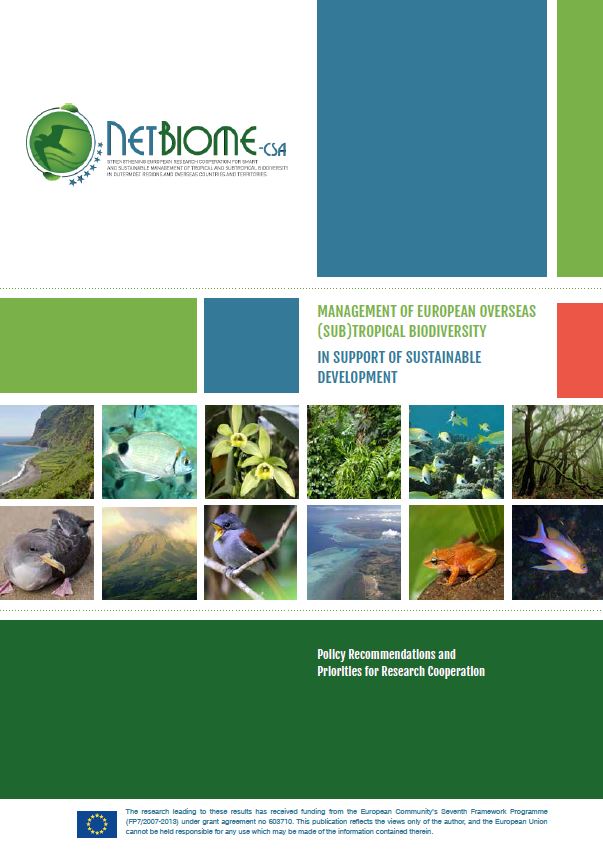
NetBiome Network (2016): Management of European Overseas (Sub)Tropical Biodiversity in Support of Sustainable Development: Policy Recommendations and Priorities for Research Cooperation.
Wagner, Falko et al. 2023: In der Diskussion: Forum Fischschutz und Fischabstieg: Ergebnisse und Ausblick. Abschlussbericht. TEXTE 113/2023. German Environment Agency: Dessau-Roßlau.
Digital Event:Hydromorphology IV Workshop
- Date
-
-
- Location
- online
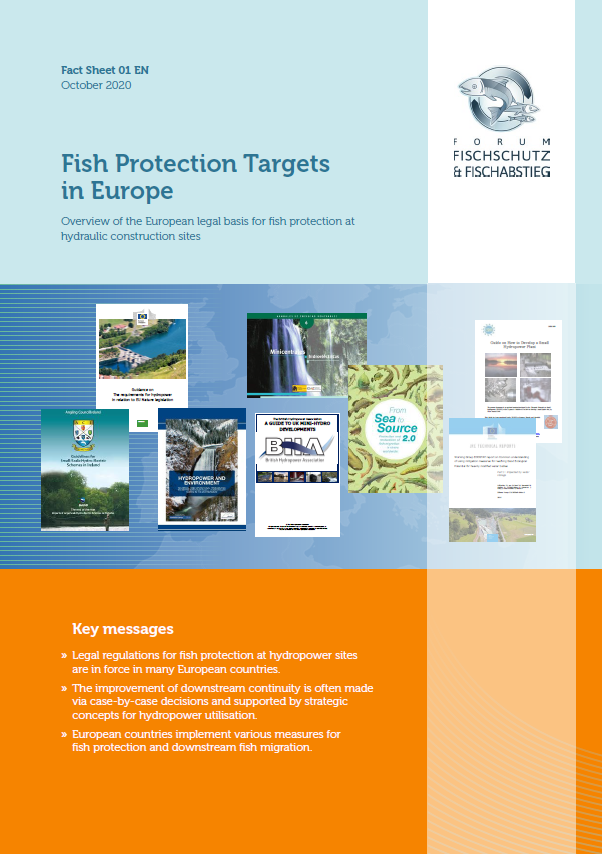
Keuneke, Rita; Edith Massmann and Stephan Naumann 2020: Fish Protection Targets in Europe. Overview of the European legal basis for fish protection at hydraulic construction sites. Ingenieurbüro Floecksmühle GmbH, German Environment Agency: Aachen, Dessau-Roßlau.
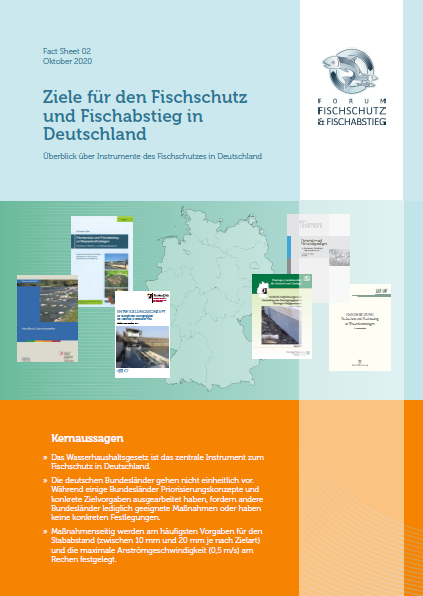
Keuneke, Rita and Edith Massmann 2020: Ziele für den Fischschutz und Fischabstieg in Deutschland. Überblick über Instrumente des Fischschutzes in Deutschland. Ingenieurbüro Floecksmühle GmbH: Aachen.
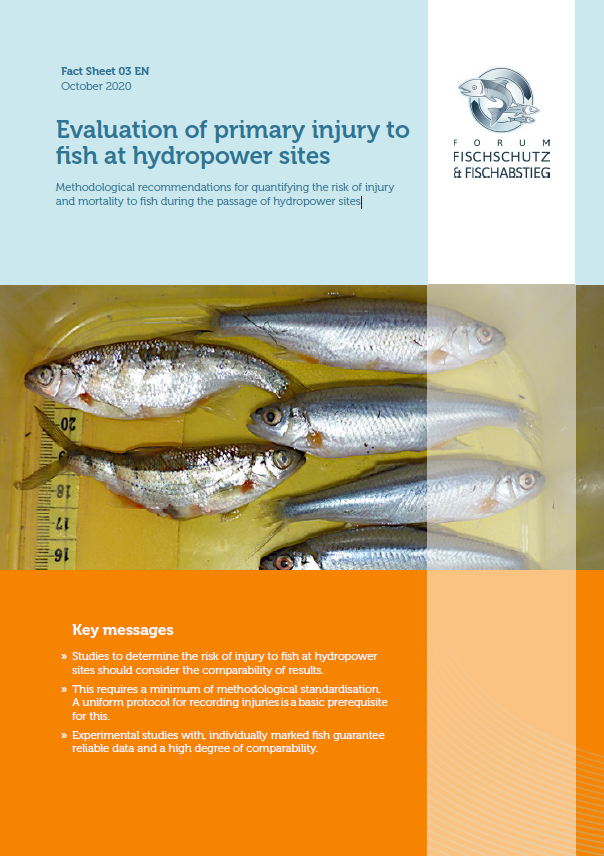
Wagner, Falko and Peter Warth 2020: Evaluation of primary injury to fish at hydropower sites. Methodological recommendations for quantifying the risk of injury and mortality to fish during the passage of hydropower sites. Jena: Institute of Aquatic Ecology and Fish Biology (IGF Jena).

Keuneke, Rita 2021: Technical functionality of large fish protection screens confirmed in practice. Operational experience with large screen systems. Ingenieurbüro Floecksmühle GmbH: Aachen.