Photo: Belgian Presidency of the Council of the EU 2024 from Belgium, CC BY 2.0, via Wikimedia Commons, Page: John Wiley & Sons, 2025
Meaningful Participatory Climate Governance
Lessons from EU multilevel climate and energy dialogues
- Publication
- Citation
Faber R, Kocher D, Duwe M. Meaningful participatory climate governance: Lessons from EU multilevel climate and energy dialogues. RECIEL. 2025;34(2):394-408. doi:10.1111/reel.12618
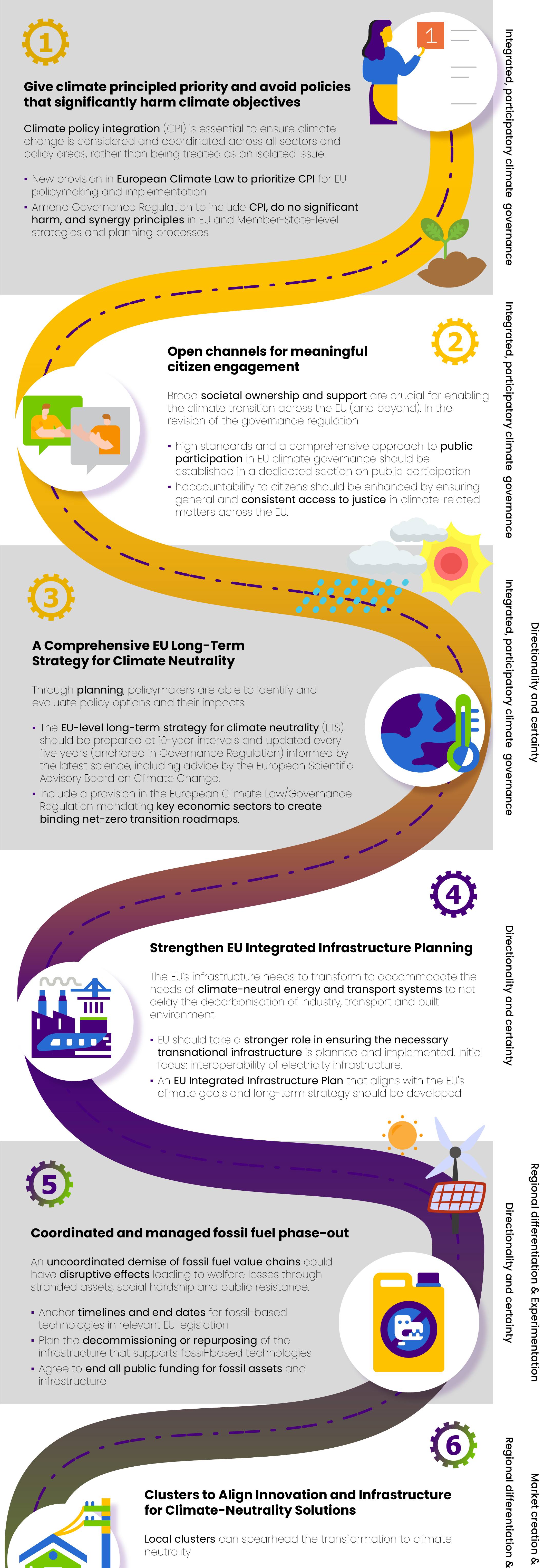
Under the EU’s Governance Regulation, Member States are legally required to hold multilevel climate and energy dialogues (MLCEDs), structured spaces for deliberation between governments, civil society, and other stakeholders. These dialogues are meant to build trust, enhance local ownership, and drive just transitions toward climate neutrality.
But are they working?
In the Review of European, Comparative & International Environmental Law (RECIEL), Ricarda Faber (Deutsche Gesellschaft für Internationale Zusammenarbeit (GIZ) GmbH), Deyana Kocher, and Matthias Duwe (Ecologic Institute) offer an assessment of how Member States are implementing these dialogues under Article 11. Drawing on content analysis of 27 national reports and 11 stakeholder interviews, they examine how MLCEDs fare against five core criteria for meaningful participation, ranging from multilevel engagement and co-creation to permanence and inclusivity.
The findings are sobering: no Member State fully covers all mandatory themes; multilevel participation is often misinterpreted or missing; and investor engagement, despite its importance for financing the transition, is almost entirely absent.
Yet there is also promise. Where implemented well, these dialogues can be powerful tools for bridging national ambition and local realities. As the EU revisits the Governance Regulation in 2025, this article offers timely insights for making participatory governance not just a formality, but a foundation.
Contact

.jpg)