This policy brief presents the SWITCH-ON toolbox that guides innovators to identify target markets and select a suitable business model consistently. This toolbox, called the Market Analysis Framework (MAF), has been applied by the developers of the 14 SWITCH-ON open data products and services, making it a tested and validated framework. By promoting demand-driven product development, the MAF can help European innovators increase their chances of achieving commercial success, ultimately contributing to the region's smarter, more sustainable, and more inclusive future economy. The Policy Brief No.1 is available for download.
This report provides an overview of measures to reduce nutrient pollution from point and diffuse sources, as well as an analysis of the implementation of European policies for eutrophication abatement of inland, coastal and marine waters. Examples of eutrophication abatement strategies in eight case studies are presented and analyzed regarding different aspects such as governance issues, the role of research, stakeholder participation and the choice of measures and funding instruments. The report is available for download.
Since 2008, the "Transatlantic Climate Bridge" (TACB), an initiative of the German government, has fostered strengthened cooperation on climate and energy policy issues between Germany (and Europe as a whole) on one side of the Atlantic and the US and Canada on the other. After nearly a decade of successful programmes under the TACB framework – including Ecologic-run study tours in Germany by North American policymakers and experts in the policy areas of energy, agriculture, and buildings – the TACB is being revamped to accommodate new North American climate policy circumstances.
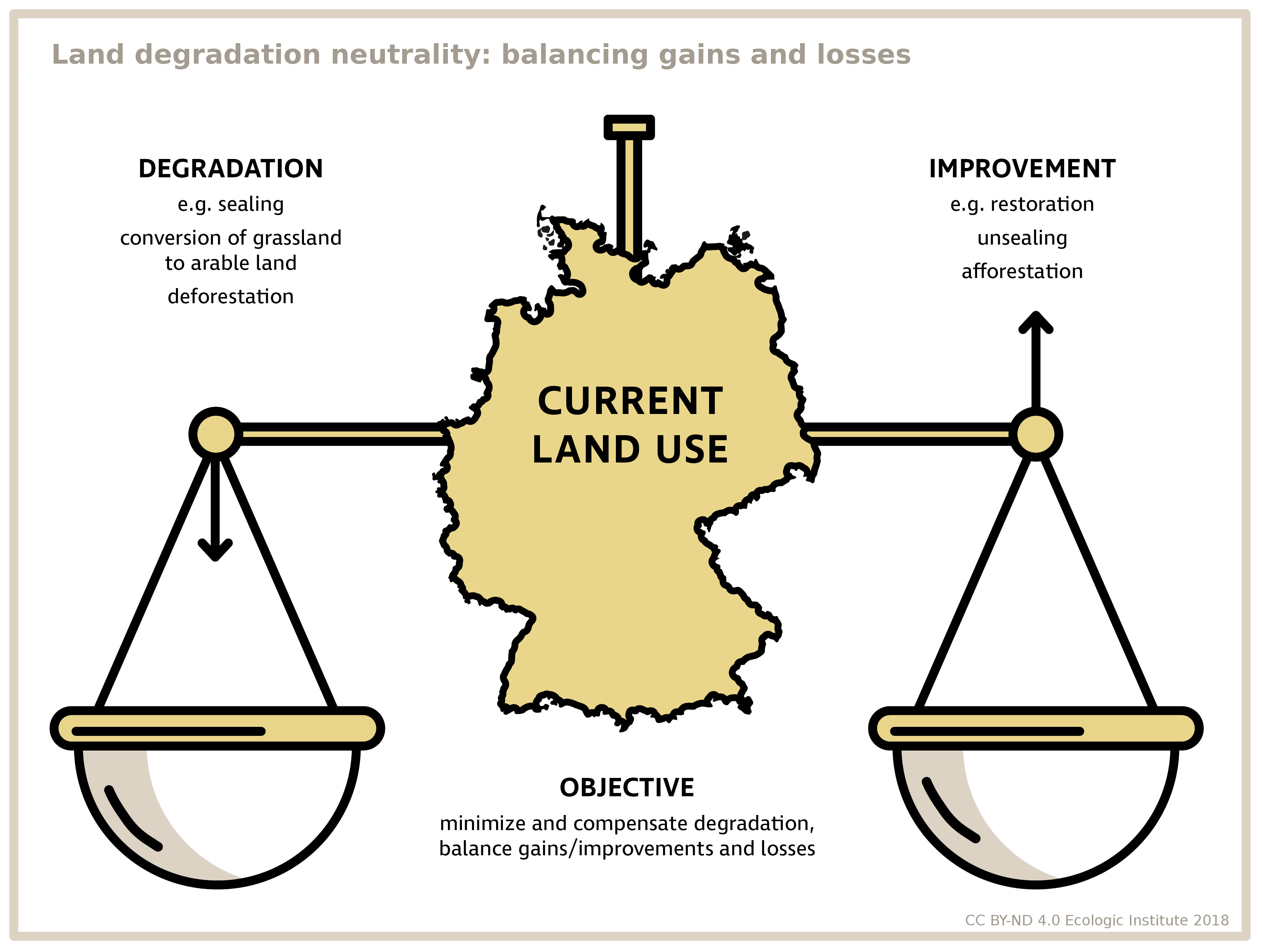
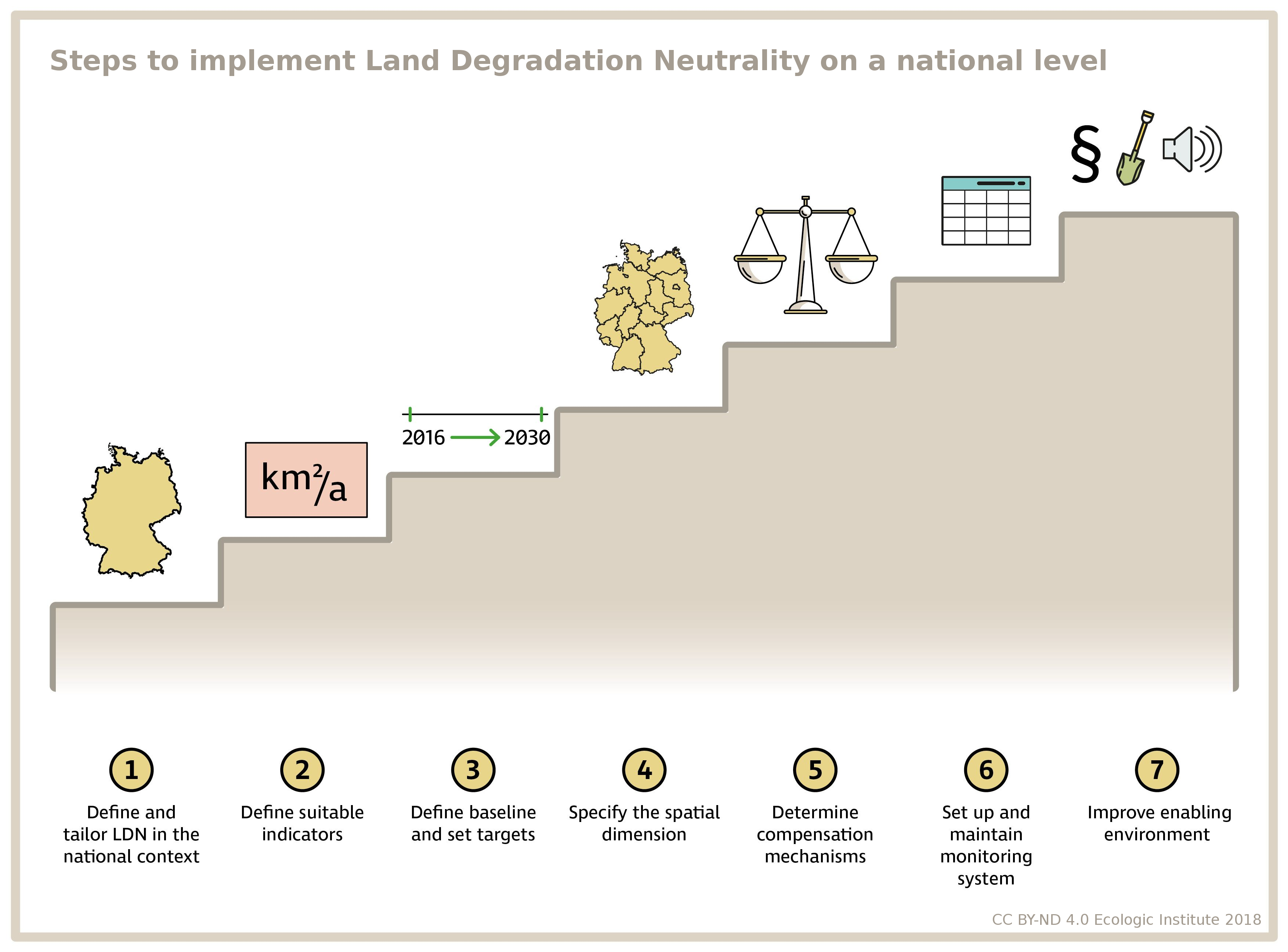
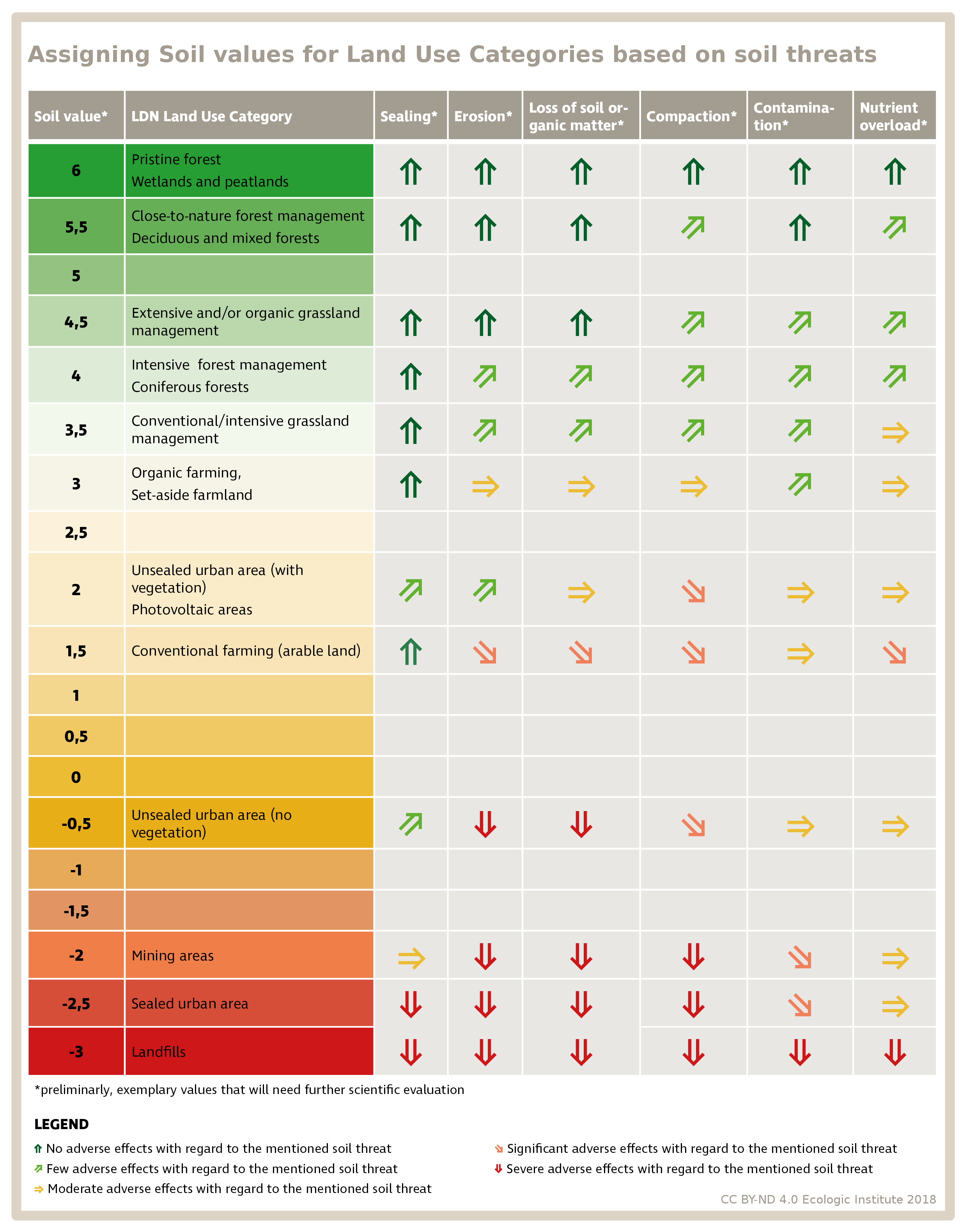
<p>Despite extensive discussions, no agreement has been found regarding a common soil indicator for measuring Land Degradation Neutrality (LDN) in Germany. Major obstacles include low data availability and the effort needed to measure physical soil conditions regularly. During an expert workshop on 27 March 2017 in Berlin, a new and simpler approach, developed by Ecologic Institute in cooperation with the German Federal Environment Agency (UBA), was discussed to determine its suitability for LDN. The core idea of the approach is to measure land use and land use change, directly referring to soil quality in the sense of LDN. The workshop minutes are available for download.</p>
In the latest Work Programme 2016-2018 of the Common Implementation Strategy of the Water Framework Directive (WFD), the Water Directors of European countries agreed specific Ad-hoc Task Groups (ATGs) should be set up on the following topics: (1) Best practice and guidance on dealing with hydromorphology and (2) Guidance on WFD Article 4(7) on exemptions for new modifications. Ecologic Institute and its partner Fresh Thoughts have been commissioned to provide to DG Environment of the European Commission support and advice on scientific, socio-economic and technical issues related to the activities of the ATGs on Article 4(7) Guidance and Hydromorphology.
<p>Journalists, like the general public, often wrestle with the complex scientific foundations, politics and economics of climate change and its solutions. The Climate Change Summer School for Journalists addressed this very challenge with the primary aim of improving media coverage around the implementation of the Paris Agreement. Seventeen journalists from Africa, Asia and Latin America and the Caribbean participated in the ten-day training course. An overview of the articles and documentaries from journalists involved is available online.</p>
In May 2017, Ecologic Institute organised the 17th ICAP Training Course on Emissions Trading in Bangkok (Thailand). The course brought together experts from emerging economies and developing countries to learn about emissions trading as a tool for climate protection, and to discuss the options of implementing such systems in developing countries. The session continues a series of past ICAP events that Ecologic Institute organised across the world since 2009. Twenty-seven mid-career professionals from seven Asian countries as well as Benjamin Görlach and Pedro Barata led the course.
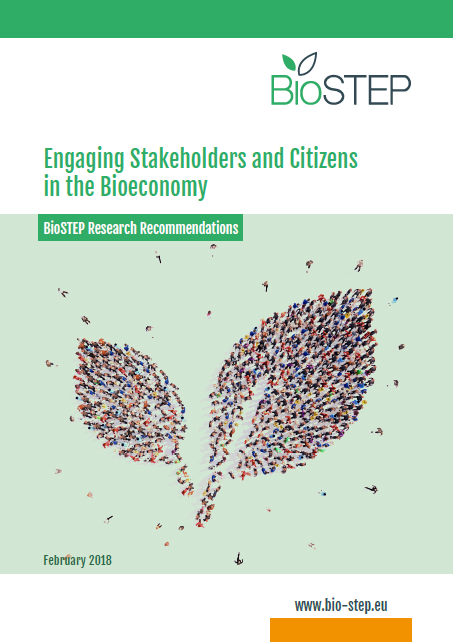
<p>On 23 May 2017 a CommBeBiz webinar featured a discussion with Ecologic Institute's Holger Gerdes and Zoritza Kiresiewa, on the topic "Creating Networks for the Transition to a Bio-based and Circular Economy." They gave deeper insights into recommendations for effective engagement in the bio-based and circular economy. These recommendations were published in a BioSTEP policy paper, which is available online.</p>
<p>The overall objective of this project is to provide a range of new information and analyses that will enable policy-makers, the scientific community, primary producers, business enterprises and other stakeholders to make more informed decisions about innovative bio-based products.</p>
The EU project "Drivers for successful Nature Directive implementation" responds to the gap revealed by the Nature Directives Fitness Check, by identifying measure driven improvements that lead to a better conservation status of species and habitats, and thus support the Commission's improved implementation strategy of the Nature Directives. The project is lead by the Institute for European Environmental Policy (IEEP) and is supported by Ecologic Institute and four other consortium members.
The comparative study funded by the Danish Environmental Protection Agency with the focus of in-depth understanding and learning from approaches to marine aquatic action and water management under the EU Water Framework Directive in neighboring countries.
The Heads of State and Government, the G20 Leaders should understand that "Energy Transformation has many Co-Benefits but Looks Bad in Outdated Economic Statistics". This is the key message of a T20 Policy Brief presented by 15 Experts in 11 Think Tanks in 7 countries ahead of the G20 Summit under the Presidency of Germany in Hamburg in July 2017. T20 or "Think 20" is a network of think tanks in the G20 countries. Ecologic Institute founder R. Andreas Kraemer coordinated the drafting, and Max Gruenig, President of Ecologic Institute US contributed. The Policy Brief is available for download.
This T20 Policy Brief shows that international policy and law build on the false assumption that displaced people and refugees can return to their place of origin when conditions improve, conflicts subside or homes are rebuilt. This cannot hold for many of those affected by climate change, and global governance of migration and flight needs to adapt. Ecologic Institute founder R. Andreas Kraemer coordinated the drafting of this T20 Policy Brief, and Katriona McGlade contributed. The Policy Brief is available for download.
This T20 Policy Brief sends a loud exhortation to the leaders meeting in the G20 Summit in Hamburg in July 2017. T20 or "Think 20" is a network of think tanks in the G20 countries, and 23 experts in 13 think tanks in 8 countries contributed to this policy brief. Ecologic Institute founder R. Andreas Kraemer, Senior Fellow at the Centre for International Governance Innovation (CIGI), led the drafting, and Benjamin Boteler, Ina Krüger, and Grit Martinez of Ecologic Institute contributed. The policy brief is available for download.
Does international law allow implementing climate policies of different speeds? Can countries form pioneer alliances for ambitious climate protection or are the UN Framework Convention and the Kyoto Protocol a straight jacket? A new Ecologic paper answers these questions. It discusses whether and in what form legally binding measures outside the Convention are lawful and meaningful. The paper is available for download.