This publication documents informational and educational materials for the fields of medicine, pharmacy, and health communication. The project aimed to reduce the release of pharmaceutical substances into the environment and to strengthen the integration of environmental knowledge into education, teaching, and professional practice. The project produced openly accessible materials for universities and continuing education programmes, pharmacies, and the general public. In addition, an online platform was established to consolidate scientific background information, infographics, and teaching resources.
Two information postcards have been developed for the Market Information Talks for the Organic Sector 2026. The postcards support communication for the dialogue series and draw attention to key challenges along organic value chains in Brandenburg.
Myanmar is a global biodiversity hotspot, home to over 570 freshwater fish species and many endemics. Yet its rivers face mounting pressure from pollution, land-use change and declining water quality. This study co-authored by Ecologic Institute's Dr. Benjamin Kupilas offers novel insights into how tropical fish communities respond to these stresses.
Anthropogenic litter poses a growing threat to aquatic ecosystems worldwide. While the EU's Marine Strategy Framework Directive (MSFD) addresses this pollution as an environmental status indicator, the Water Framework Directive (WFD) lacks such a measure.The publication, jointly authored by researchers from the European Plastic Pirates initiative, illustrates how citizen science can address this issue by using existing litter data from related initiatives. Members of the author team included Doris Knoblauch and Mandy Hinzmann from the Ecologic Institute.
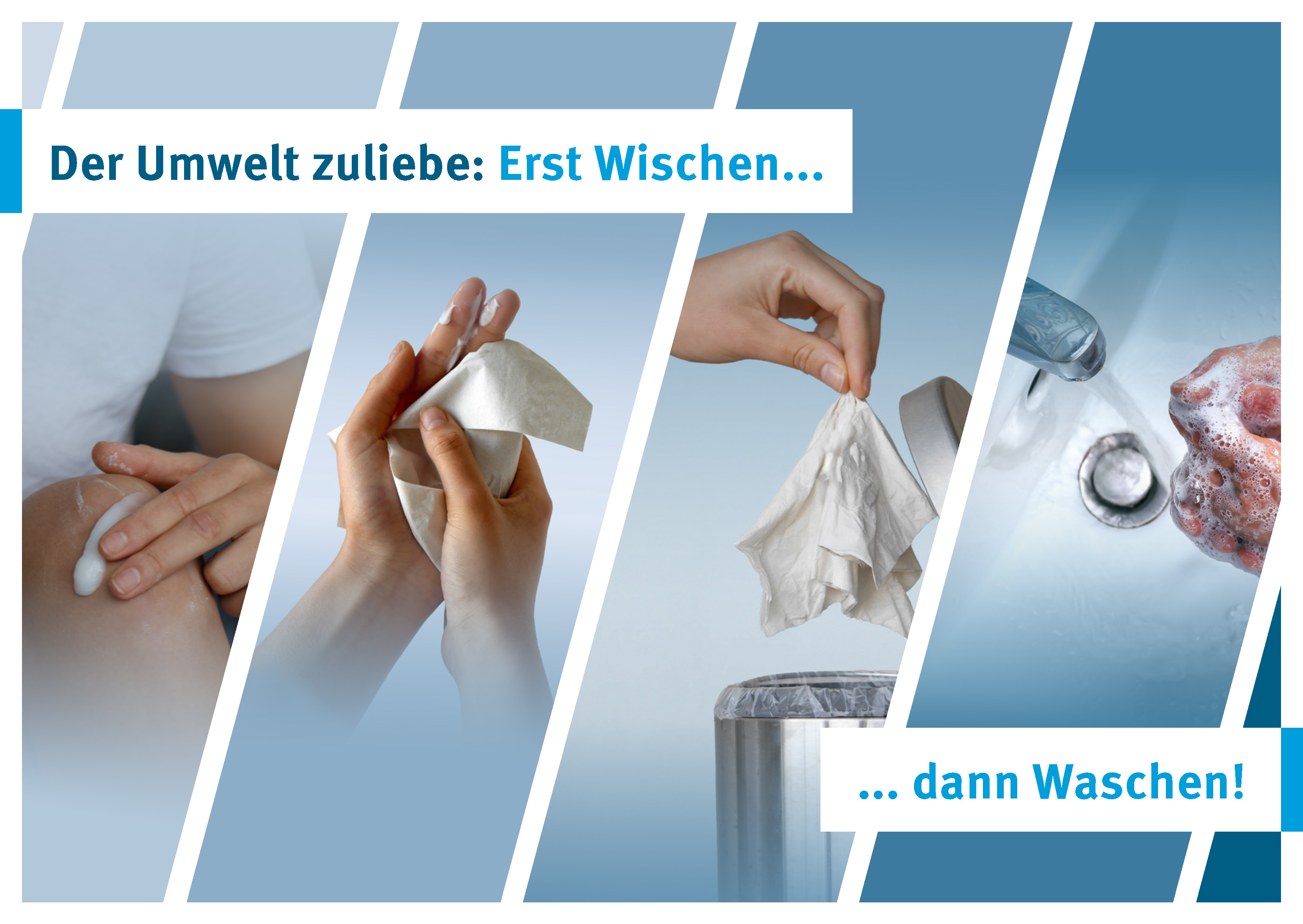
Pharmaceutical substances from creams and gels can enter wastewater when washed off after application. However, this can be reduced by first wiping your hands with a paper towel, disposing of it in the household waste, and only then washing your hands.
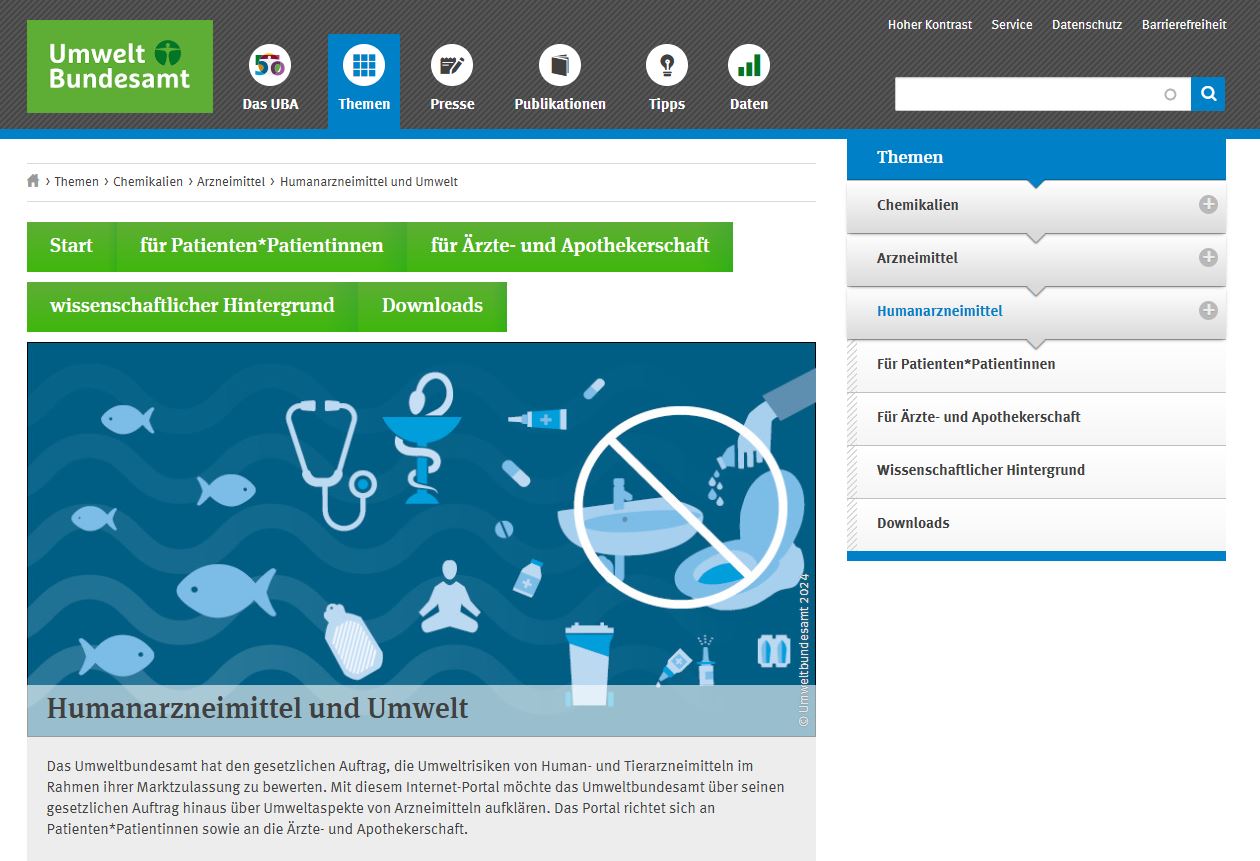
The Federal Environment Agency's online platform "Pharmaceuticals and the Environment" provides information on the environmental impact of human pharmaceuticals and gives recommendations for environmentally conscious use and disposal. The aim is to minimize the entry of pharmaceutical residues into the environment and thus protect organisms, water, and soil.
Kemper, Melanie 2025: Verbreitung von Informations- und Lehrmaterialien für einen umweltbewussten Umgang mit Humanarzneimitteln - Konzept und Plan für eine Kampagne. Ecologic Institut, Berlin. Unpublished.
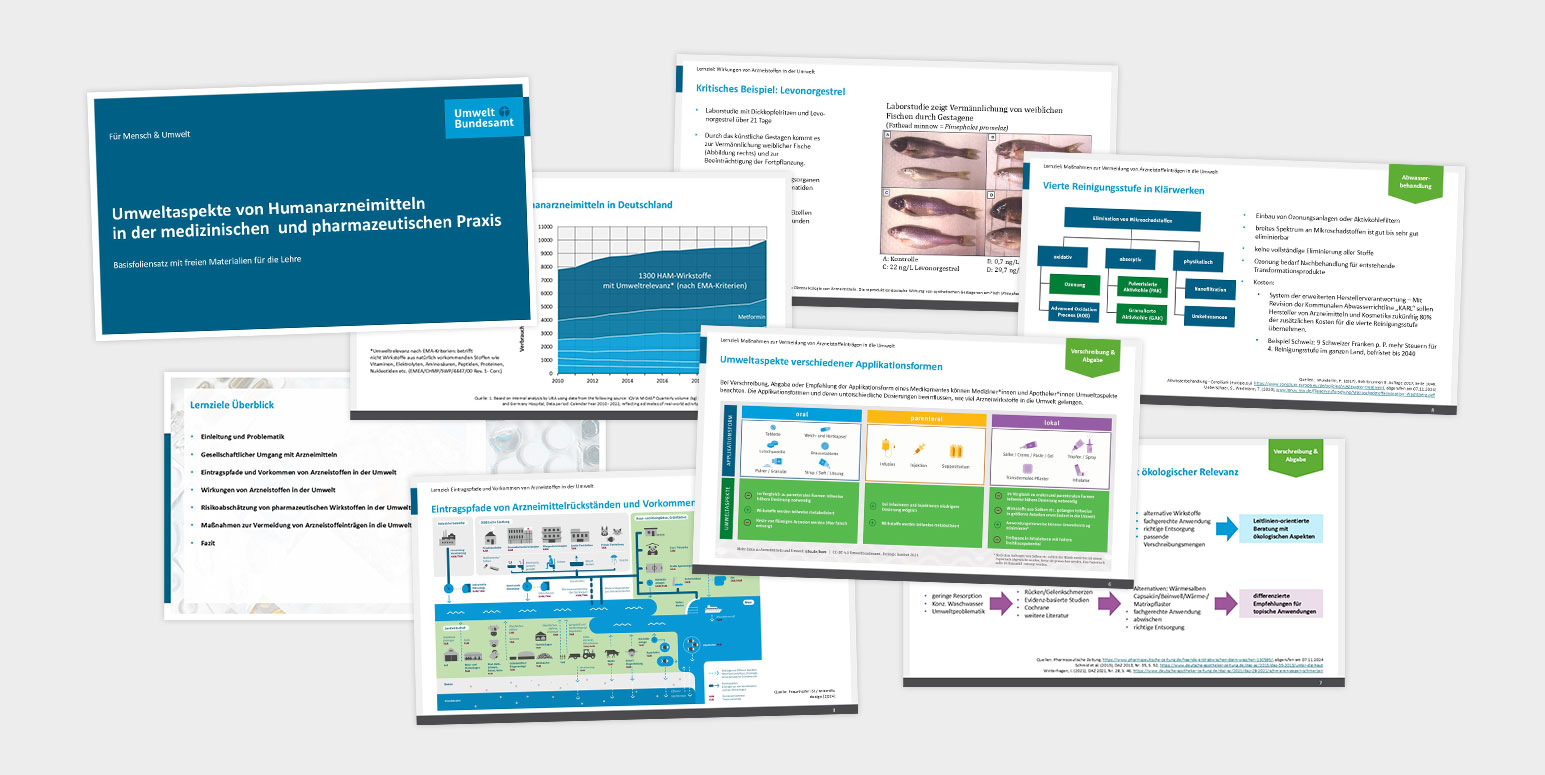
Pharmaceuticals in the environment are a growing problem. The UBA Internet portal "Human Medicinal Products and the Environment" offers freely available, scientifically proven teaching materials for medical and pharmaceutical lecturers. With the basic set of slides and the accompanying texts, the topic can be taught comprehensively and practically despite tight curricula.
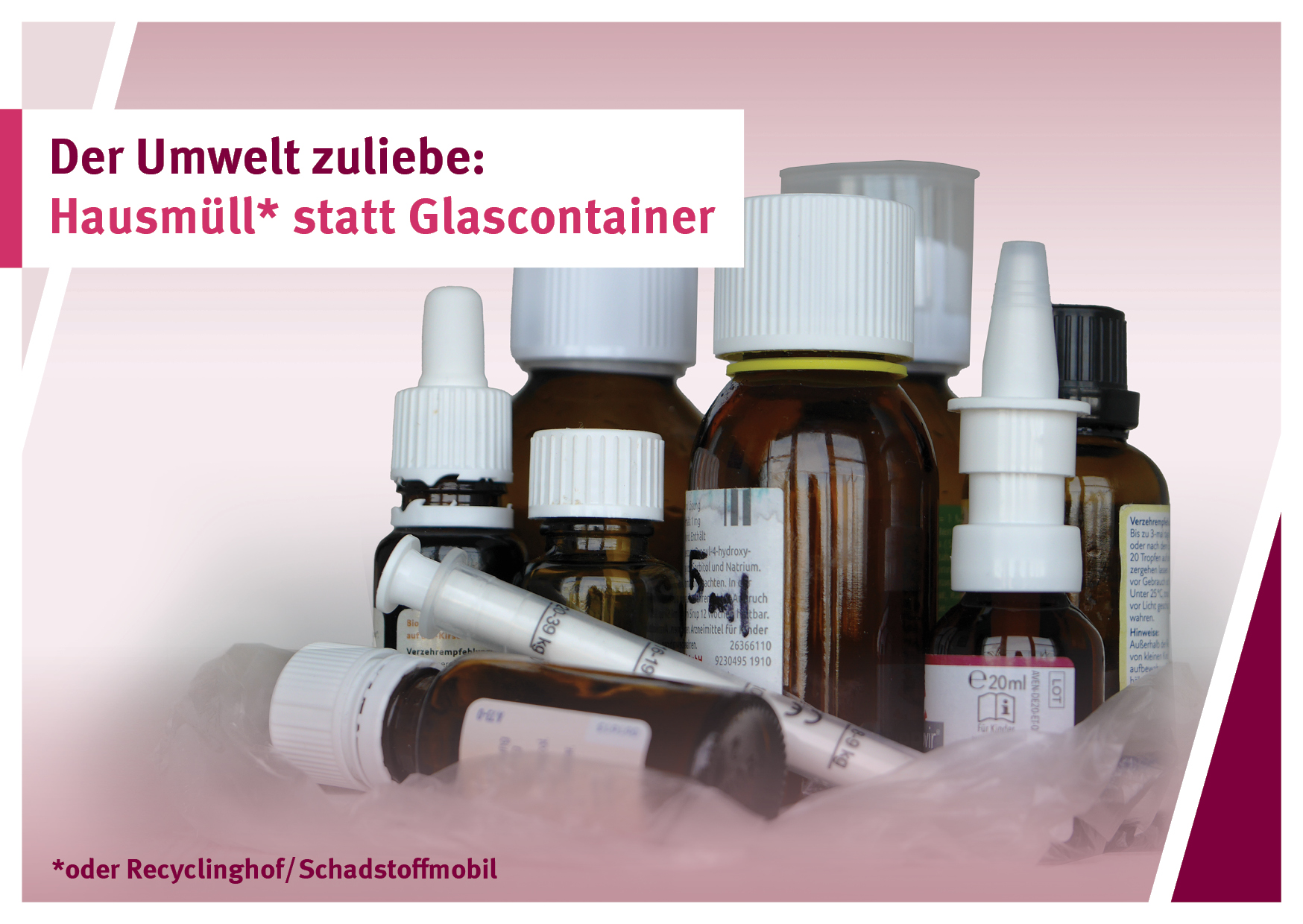
Liquid pharmaceutical leftovers are more often disposed of incorrectly in waste water than solid ones. For this reason, a German-language postcard in DIN A6 (10 x 15 cm) has been developed on this topic, which can be given to customers when liquid medicines are handed in at the pharmacy.
Pharmacies are an obvious place for conversation about pharmaceuticals and their effects on people and the environment, as well as the disposal of unused products. The information package for pharmacies provides pharmacy staff with in-depth background information for such discussions.
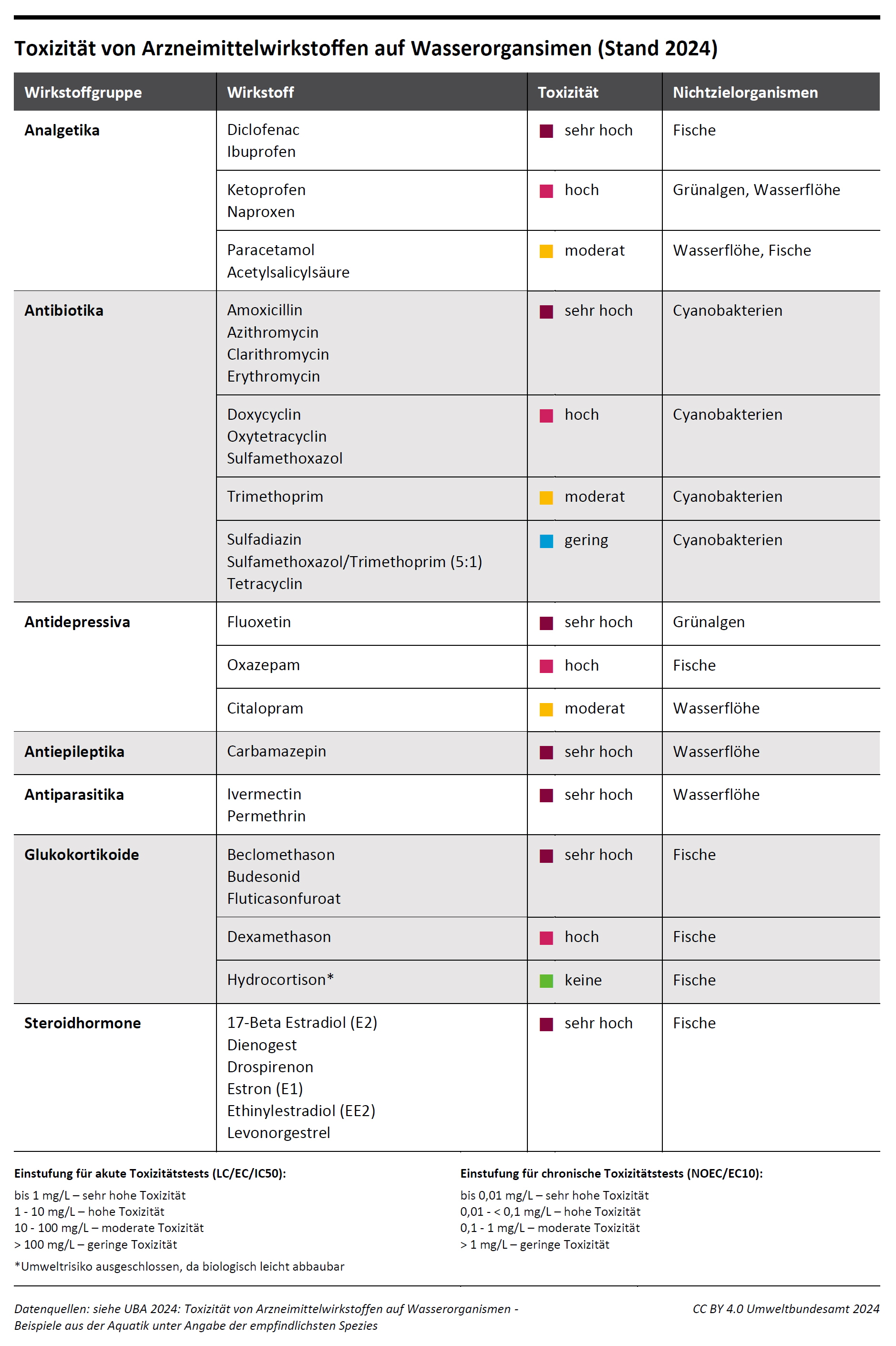
This infographic provides a brief overview of the toxicity of human pharmaceutical substances on non-target organisms observed in laboratory and case studies. A detailed version of the table, which also includes effect concentrations and literature sources, can be downloaded as a PDF.
Pharmacies can order this decorative wall calendar free of charge and give it as a promotional gift to their customers. The calendar is designed as a year-independent birthday calendar in DIN A4. Each month, attractive, large photo motifs and short texts focus on a different aspect of pharmaceuticals and the environment.
A seven-year citizen science study with schoolchildren on German riversides found stable litter density, mainly plastic and cigarette butts, with wider rivers showing higher litter levels, stressing the need for policy action.
A new textbook entitled 'Urban Nature: New directions for city futures', co-authored by Ecologic Institute's McKenna Davis, has just been published. The introductory textbook with a global scope aims to train students of geography, sustainability, and urban and environmental studies to re-imagine and transform cities to meet climate, biodiversity, and sustainability challenges. It speaks directly to the twin crises of biodiversity loss and a changing climate as well as the imperative to integrate justice with urban nature and nature-based solutions, putting cities in focus as spaces and places for transformative change.
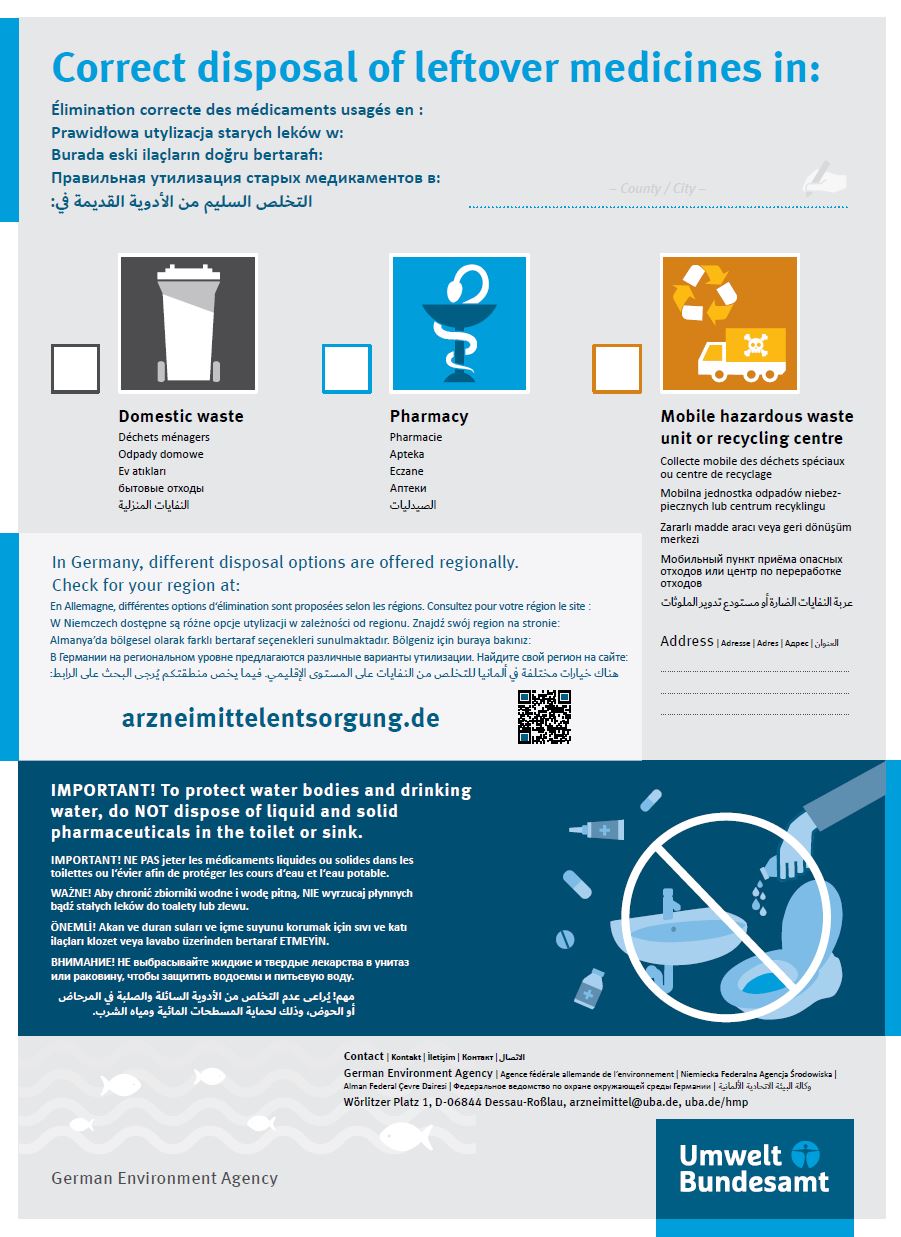
Many people think that old medicines should always be disposed of via pharmacies. Providing information about the applicable disposal methods, which vary from region to region, takes time in the pharmacy. The poster "Correct disposal of leftover medicines in: ...." is intended to ease the burden on staff by providing disposal information in writing on the sales floor. Other useful locations for the poster could include doctors' surgeries, hospitals, health advice centers, health insurance companies or waste disposal companies.
Bei der Anwendung arzneimittelhaltiger Cremes und Gels kann die ins Abwasser gelangende Arzneistoffmenge dadurch reduziert werden, dass man sich nach dem Auftragen zunächst die Hände mit einem Papiertuch abwischt, das im Hausmüll entsorgt wird, und erst dann die Hände wäscht. Deshalb wurde zu diesem Thema eine deutschsprachige Postkarte in DIN A6 (10 x 15 cm) entwickelt, die der Kundschaft bei Abgabe von arzneimittelhaltigen Cremes und Gels in der Apotheke mitgegeben werden kann.
Urban areas across the globe are facing unprecedented challenges – pollution, climate change, urban sprawl – and traditional solutions are falling short. Join the Interlace project's free online course to discover how nature-based solutions offer a promising approach to help create resilient, sustainable cities.
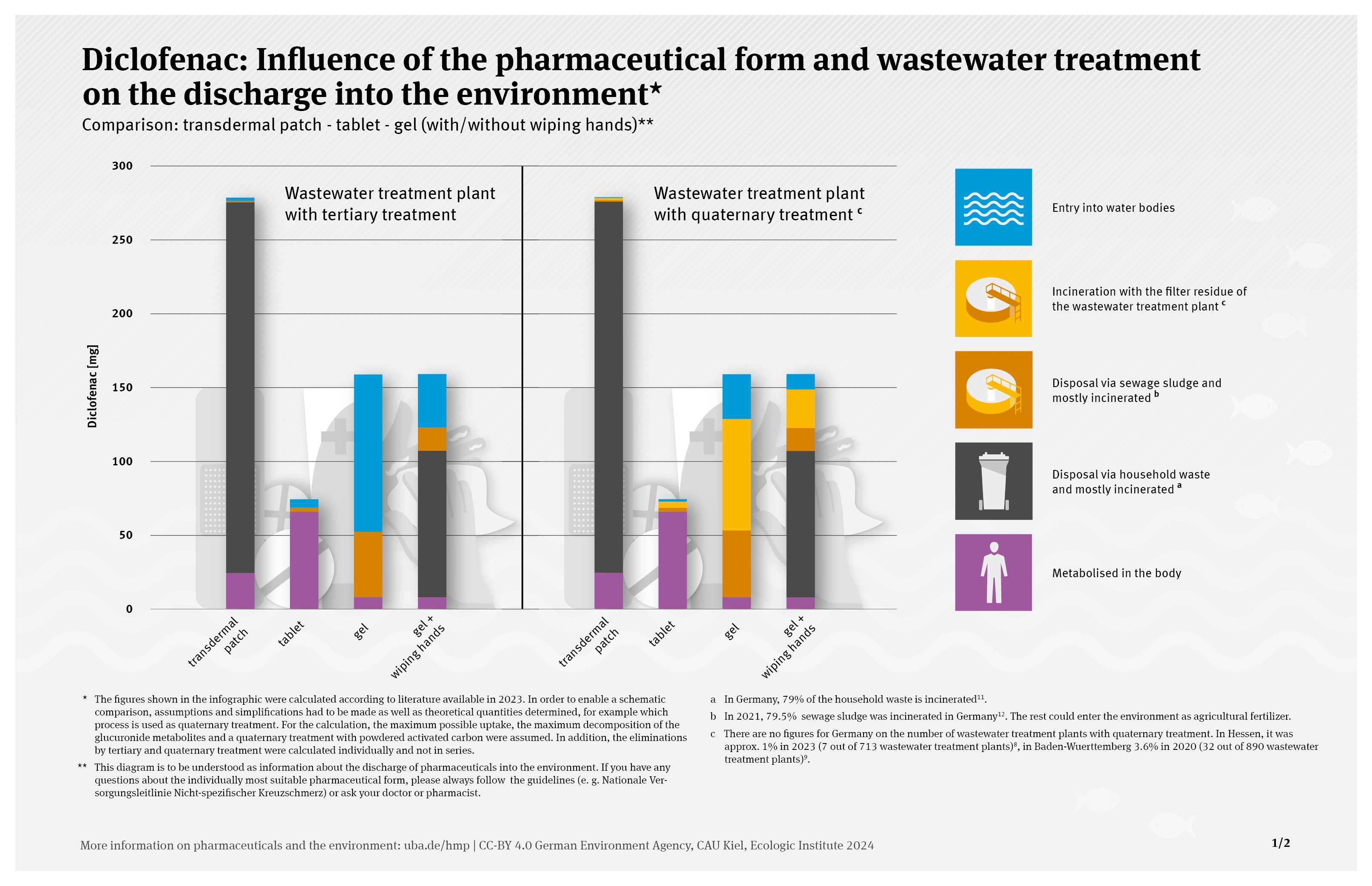
The analgesic and anti-inflammatory pharmaceutical active ingredient Diclofenac can be administered in various forms of application. The discharge of the active ingredient into wastewater varies depending on the form of application. The final entry into the environment's water bodies is additionally influenced by the type of wastewater treatment.
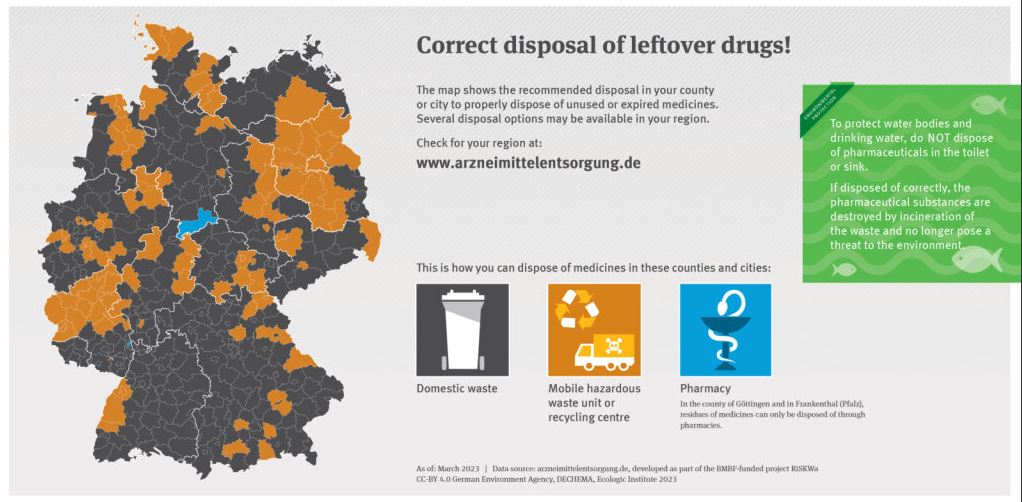
The improper disposal of (used) pharmaceuticals via the toilet and sink is still one of the largest avoidable ways in which pharmaceuticals enter the environment. This infographic therefore provides information on the correct disposal of leftover pharmaceuticals in Germany.
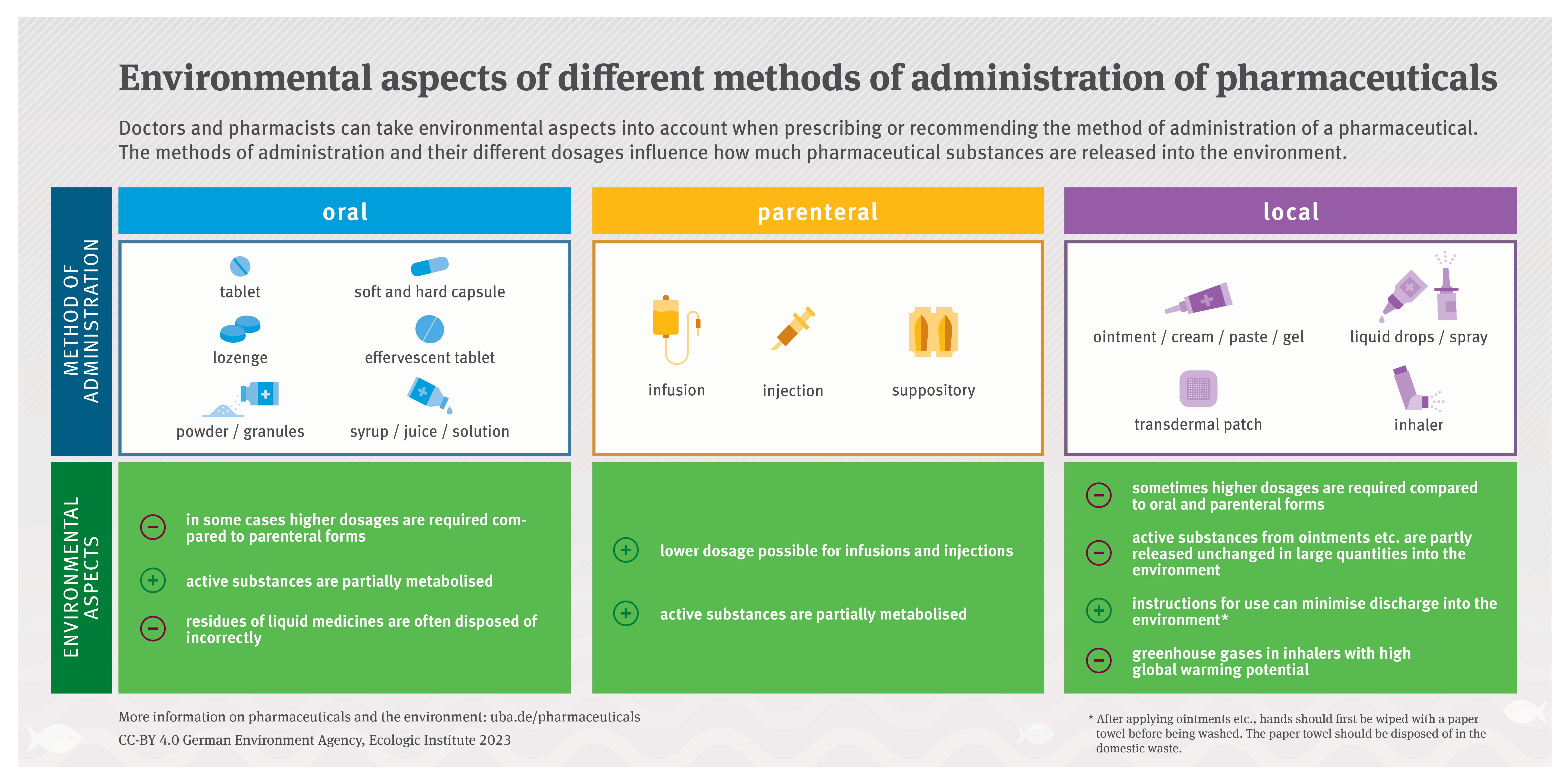
The decision to use a particular form of administration of a pharmaceutical can have an impact on the release of pharmaceutical substances into the environment. This infographic provides a comprehensive overview of common routes of administration of human medicines and their potential environmental impact.
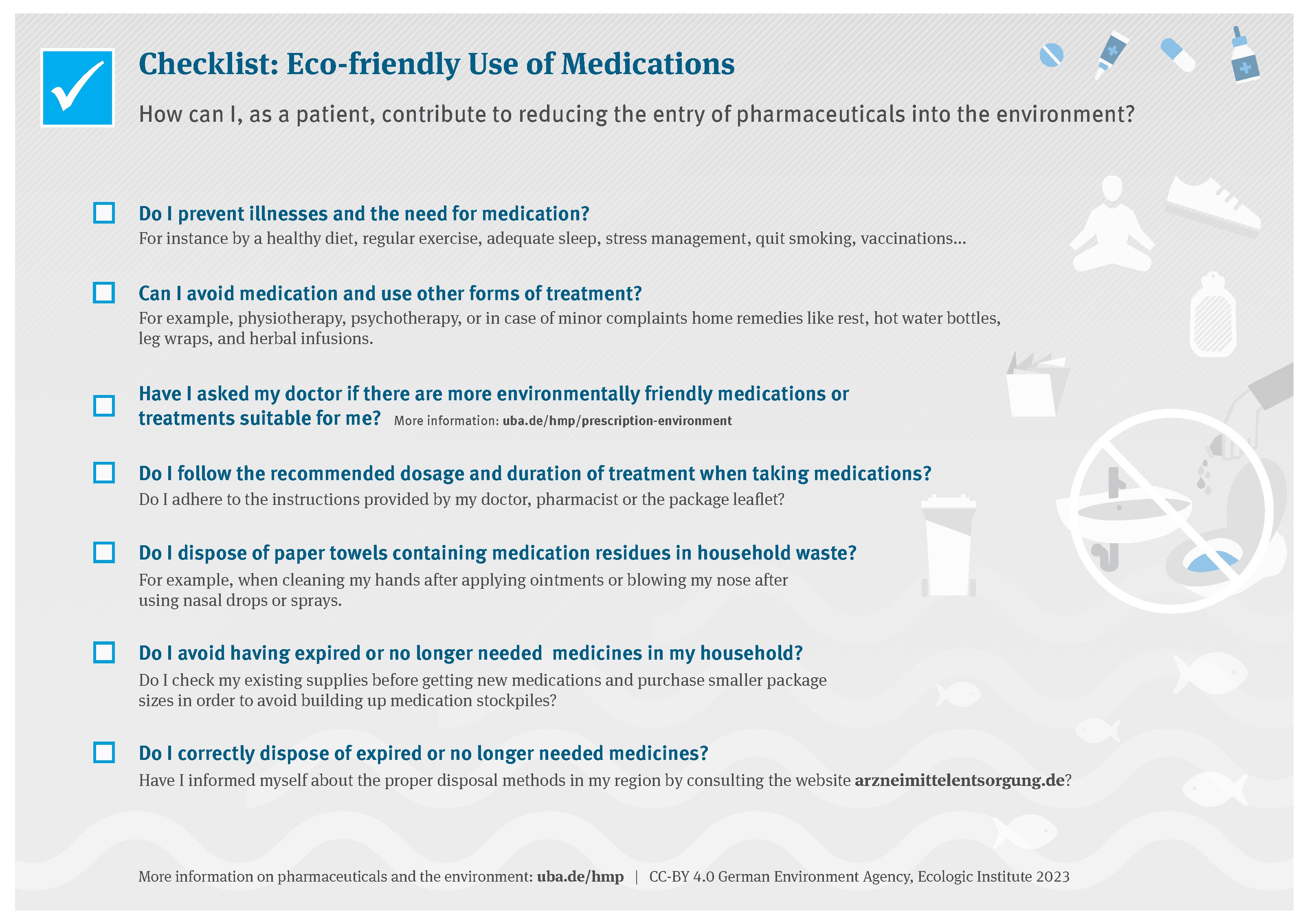
By using pharmaceuticals in an environmentally conscious manner, patients can help to minimize their release of pharmaceuticals into the environment. The core elements have been compiled in a checklist to provide quick and effective information on environmentally friendly patient behavior.
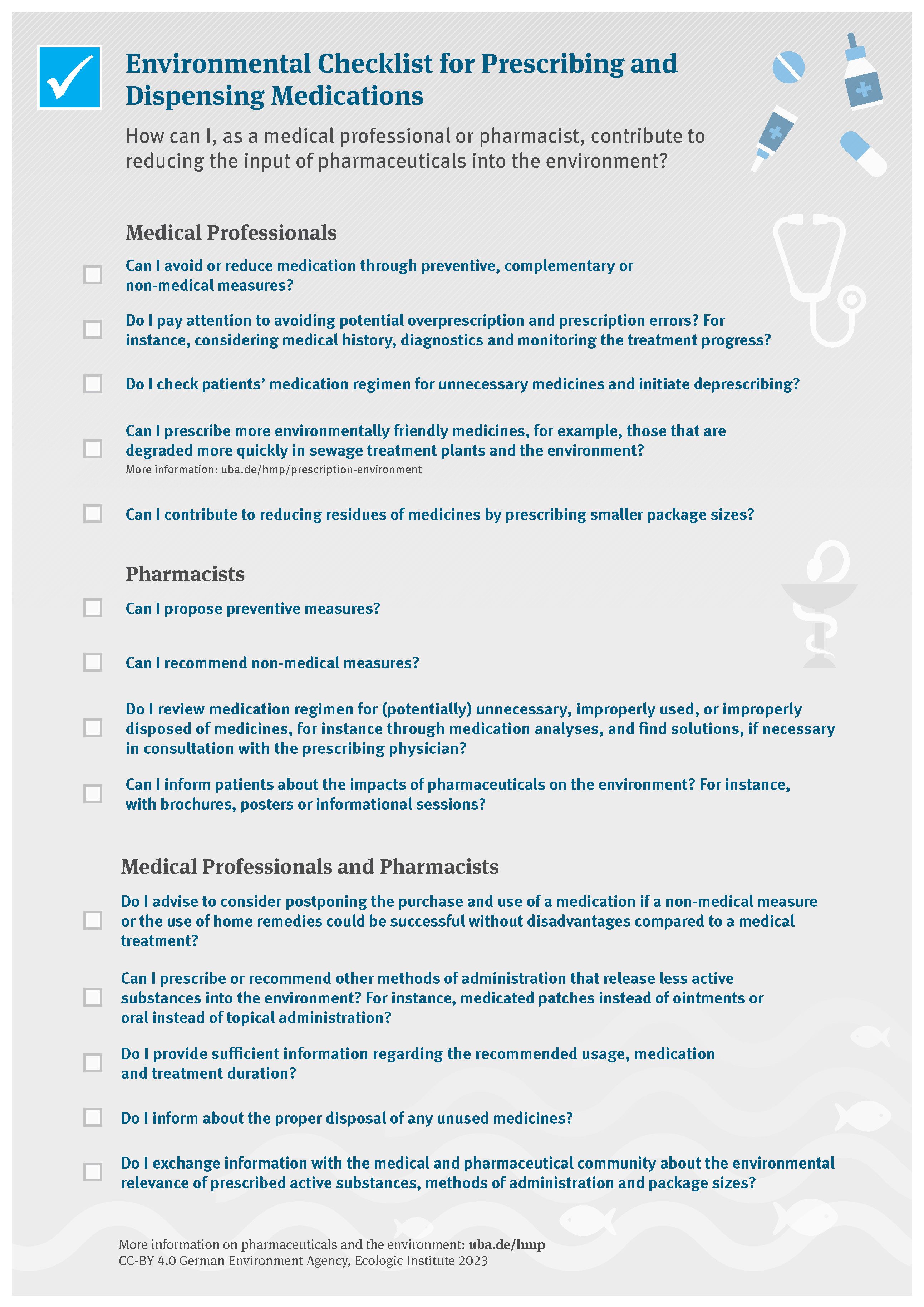
Healthcare professionals increasingly want to ensure the best medical care, but also consider the environmental impact. To provide pharmacists and healthcare professionals with quick and effective information, core elements for environmentally friendly prescribing and dispensing practices have been compiled in a checklist.
This article illustrates the communication strategies that were successfully applied in the citizen science program Plastic Pirates in Germany. The program engages schoolchildren, teachers and youth groups in plastic pollution research. A variety of communication strategies have been implemented and continuously revised and adapted since the start of the program in 2016.
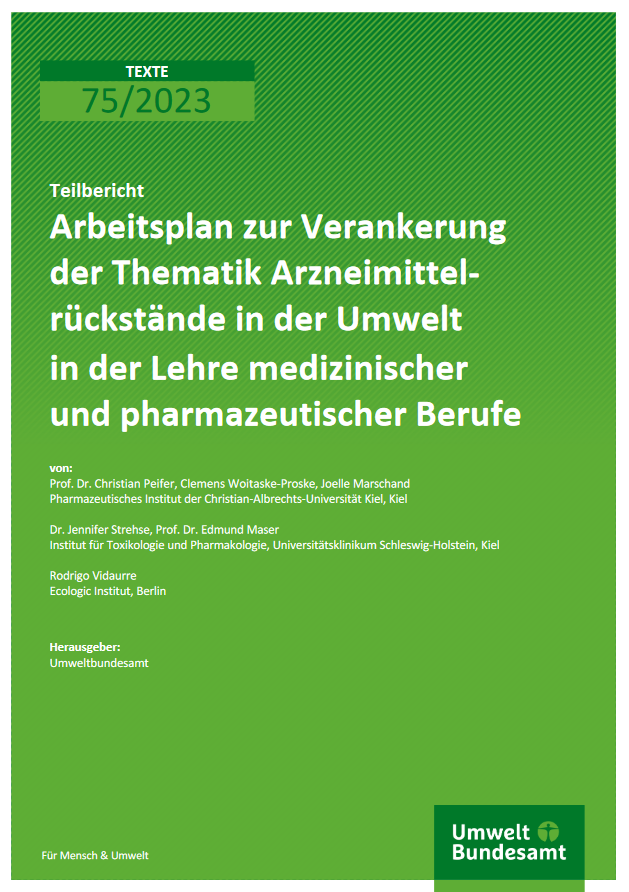
This report presents a work plan for incorporating the issue of pharmaceuticals in the environment into the education of the medical and pharmaceutical professions in Germany. It first presents an overview of the relevant German structures in the education and training of medical and pharmaceutical professions. In a second step, it provides concrete recommendations for the integration of the topic into teaching (studies and vocational training), continuing education and training.
Do not dispose of unused pharmaceuticals in the toilet or sink, as this is how they end up in water, soil and groundwater. This leaflet explains in various languages how to dispose of old pharmaceuticals correctly and why this is important.
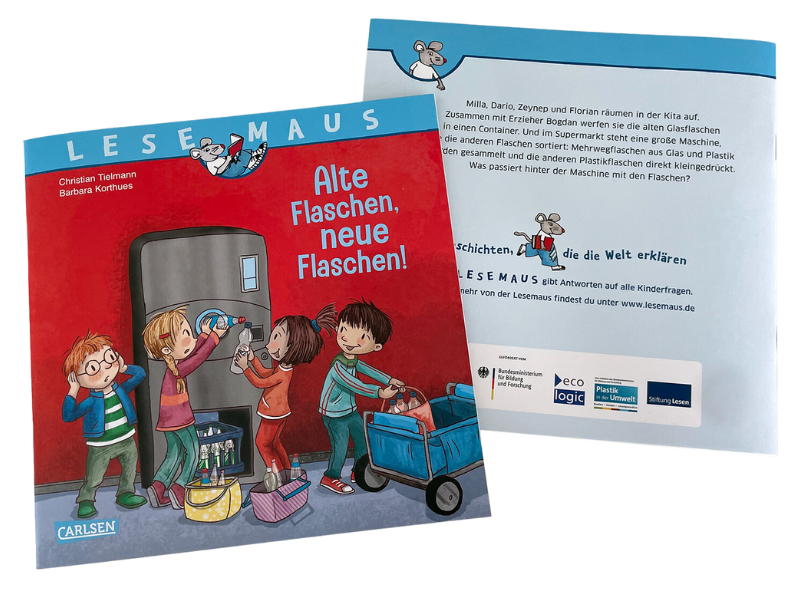
Plastics shape our modern life like hardly any other material. They are flexible, light, and versatile. At the same time, they also represent one of the greatest ecological challenges of our time. To make this topic clear and understandable for children and to convey the relevant knowledge, Ecologic Institute and Stiftung Lesen, together with Carlsen Verlag, have developed this special edition of Lesemaus.
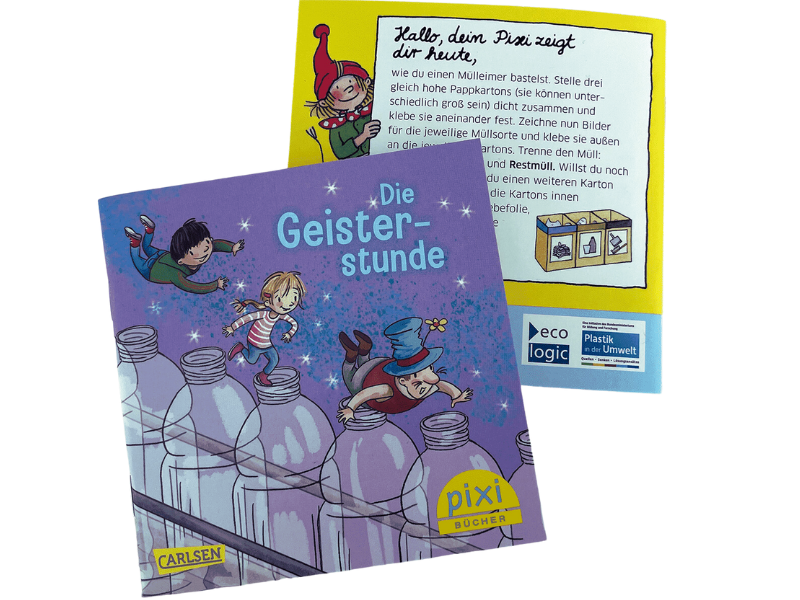
For many people, plastic bottles have become an indispensable part of everyday life. However, the production and throwing away of plastic bottles is harmful to the environment and the climate. Ideally, PET bottles are recycled and reused. But what happens to the bottles during the recycling process? "Die Geisterstunde" by Christian Tielmann is the third PIXI book produced as part of the BMBF research focus "Plastics in the Environment" with Stiftung Lesen and Carlsen Verlag and is dedicated to the recycling of plastic bottles.
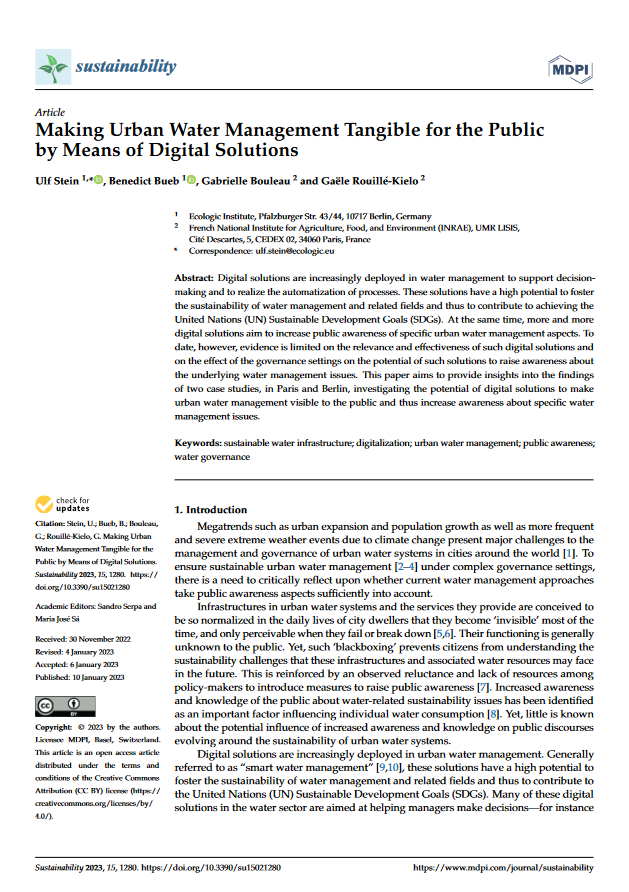
This article written by Dr. Ulf Stein and Benedict Bueb from Ecologic Institute together with researchers of the French National Institute of Agricultural Research (INRAE) presents insights of two case studies, in Paris and Berlin, which investigated the potential of two mobile applications to make urban water management visible to the public and thus increase awareness about certain water management aspects.
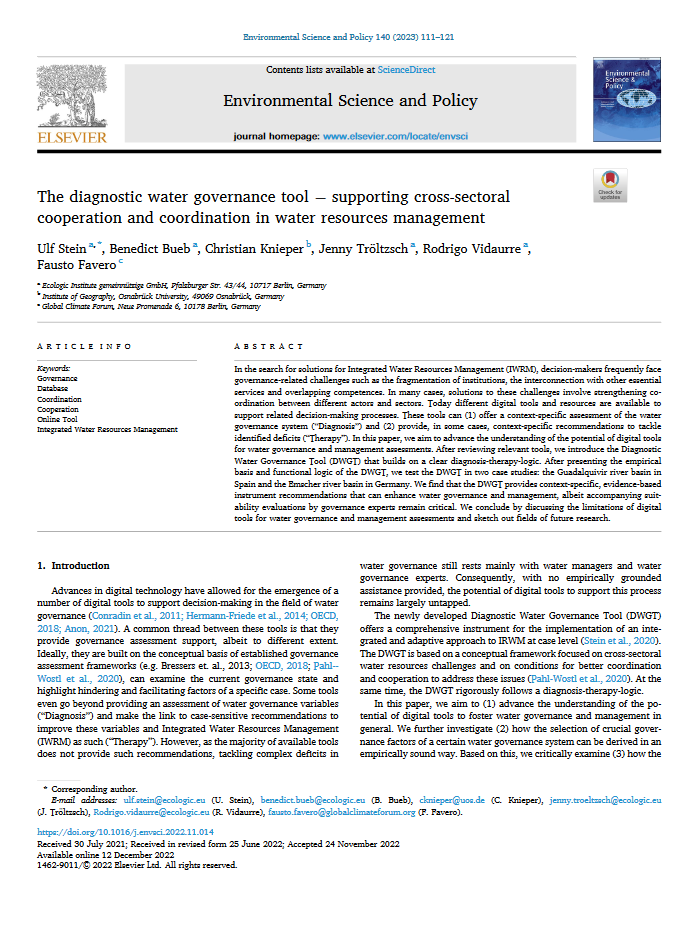
This article written by several researchers from Ecologic Institute provides a review of different digital tools and resources available to support related decision-making processes in the search for solutions for Integrated Water Resources Management (IWRM). Furthermore, it introduces the Diagnostic Water Governance Tool (DWGT) that builds on a clear diagnosis-therapy-logic.
As a last step of the project, the RECIPES team has developed a Guidance for application of the precautionary principle in the EU. The guidance advises on how to deal responsibly with uncertain risks in the development and implementation of technology in the EU. Target groups of this guidance are primarily EU policy makers, EU agencies, and EU policy support organisations and bodies that are concerned with risk regulation or the governance of science, technology and innovation. Ecologic Institute made the layout of the eBook.
This brochure summarizes the most important key messages from 20 joint research projects and seven cross-cutting topics of the German research focus "Plastics in the Environment". The brochure is structured along the life cycle of plastics and includes five sections: Green Economy, Consumption, Recycling, Fresh-water Ecosystems, and Saltwater Ecosystems.
The publication summarizes the key messages from all 20 joint research projects and the seven cross-cutting topics of the German research focus "Plastics in the Environment". Structured by main topics, the central results are presented in order to derive recommendations for various addressees. More than 70 researchers and practitioners from across the research focus have jointly co-authored the key messages.
The Ecologic Institute designed and developed the theme day website "Plastic in the Environment". It contained the event documentation and programme information.
On 6 May 2022, Ecologic Institute organized the "Theme Day Plastic in the Environment" to present to the public the research findings achieved since 2017 from 20 research projects with more than 100 participating institutions from science, industry and practice. Ecologic Institute developed a trailer for passenger television in Berlin's subways (Berliner Fenster) for Berlin-wide visibility of the event.