Photo: Linda Mederake, 2026
Explaining Rapid Expansion: Actor Coalitions, Frames and Political Time in EU Plastics Policy
- Presentation
- Date
-
- Location
- Friedrichshafen, Germany
- Speech
Linda Mederake presented the first results of her dissertation research on EU plastics policy at the Dreiländertagung 2026, the joint conference of the German, Austrian, and Swiss political science associations (DVPW, ÖGPW, SVPW), held at Zeppelin University in Friedrichshafen from 17 to 19 June 2026. Her presentation was part of the panel "Governing Europe's Ecological Transition – Actors, Ideas, Institutions".
The presentation addressed the question of why EU plastics policy expanded significantly between 2015 and 2019, even though EU environmental policy overall was characterised by stagnation or retrenchment during this period. The central argument of the presentation: this expansion became possible because the European Commission deliberately linked two distinct problem frames – plastic pollution and resource inefficiency – to the circular economy solution frame, thereby bringing together support from different groups of actors, while actors simultaneously made use of temporal discretion within EU procedures to accelerate decision-making. Using the 2019 Single-Use Plastics Directive (SUPD) as an example, the analysis shows in detail how this interplay of framing and timing unfolded.
The findings contribute to the political science debate on the conditions under which ambitious environmental regulation in the EU can be achieved even against a deregulation-friendly political trend.
The research is part of an ongoing doctoral monograph. It draws on 31 expert interviews with EU actors, including the European Commission, Parliament, Council, businesses, and civil society, as well as a document analysis.
Contact

- Event
- Organizer
-
German Political Science Association (GPSA), Germany Swiss Political Science Assosiation (ASSP), Switzerland Austrian Political Science Association (ÖGPW), Austria - Speech
- Date
-
- Location
- Friedrichshafen, Germany
- Language
-
English
- Keywords
-
plastics regulation, plastics governance, political time, actor coalitions, discursive institutionalism, Single-use Plastics Directive, Plastics StrategyEuropeexpert interviews, document analysis, qualitative content analysis, process tracing
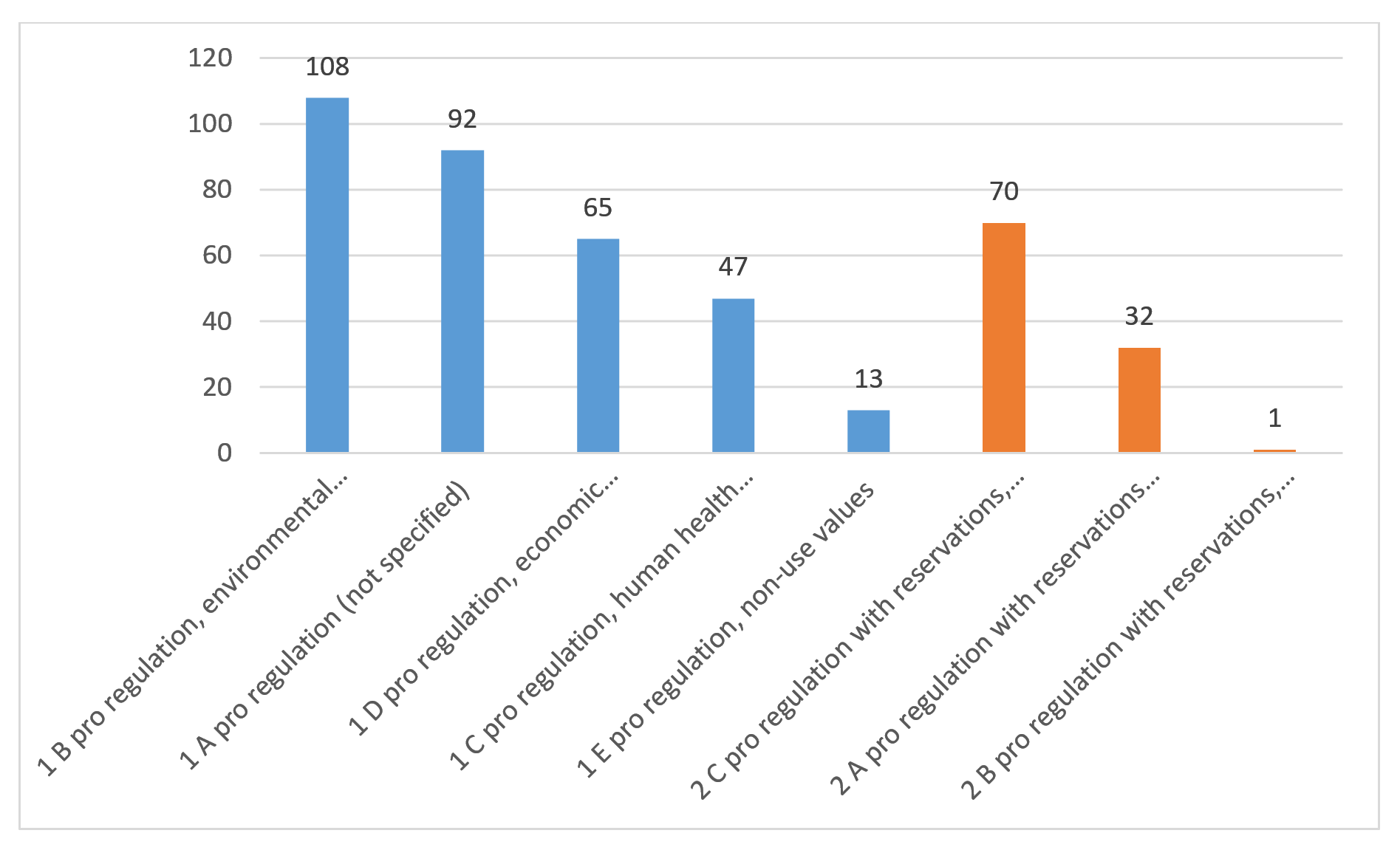
Mederake, Linda; Knoblauch, Doris (2019): Shaping EU Plastic Policies: The Role of Public Health vs. Environmental Arguments. International Journal of Environmental Research and Public Health 2019, 16, 3928.
Kiessling, Tim et al. 2023: What potential does the EU Single-Use Plastics Directive have for reducing plastic pollution at coastlines and riversides? An evaluation based on citizen science data. Waste Management 164 (2023).106-118.
Ecologic Institute 2022: From packaging to microplastics: unwrapping EU plastics policies. Podcast. 17 October 2022. Online: https://youtu.be/Ikzs7eQIgXU?si=sY_FvThOZe67Ljyc
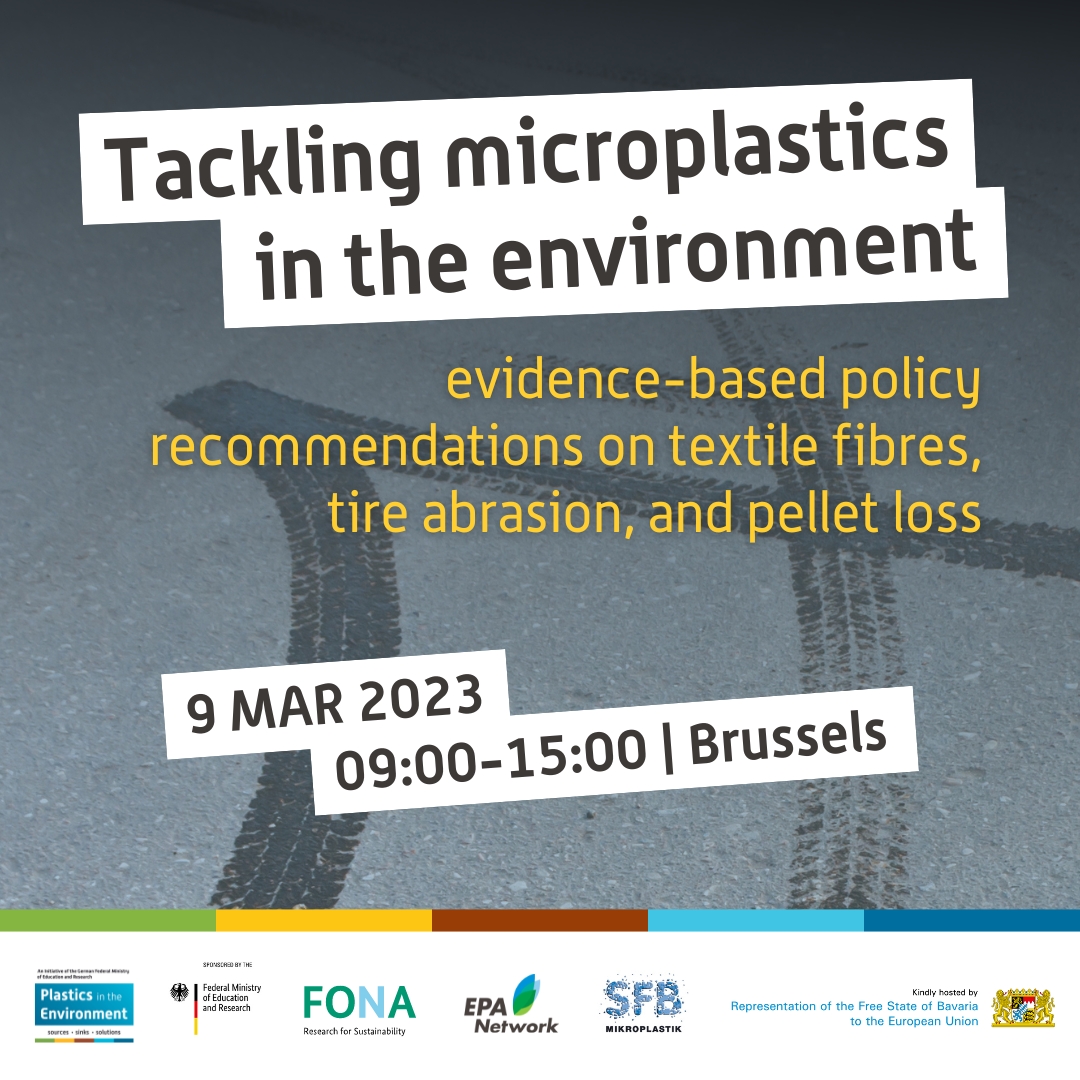
Conference:Tackling Microplastics in the Environment
- Date
-
- Location
- Brussels, Belgium