The present report discusses criteria that could reasonably be applied to prioritise downstream products for inclusion in CBAM. It examines the significance and suitability of different criteria, as well as the availability and reliability of data to operationalise these criteria.
This guest article by Christoph Heinrich, published in the Table.Forum Biodiversity (Table.Media), outlines the central importance of biological diversity for the functioning of ecosystems and for human livelihoods.
This study investigates instruments that could generate revenue for international climate finance. Through a mixed-methods approach, including desk research and interviews with 23 experts from diverse professional backgrounds, the study evaluates four proposed levies: a Fossil Fuel Extraction Levy, a Levy on Windfall Fossil Fuel Profits, a Levy on Plastic Polymers, and a Levy on Jet Fuel.
This report, by Ecologic Institute and Öko-Institut, explores how emerging EU policy instruments – such as the proposed Agricultural Emissions Trading System (AgETS), Mandatory Climate Standards (MCS), and public procurement programmes – can integrate carbon farming while maintaining high environmental standards. The study highlights both the opportunities and the pitfalls of linking these policies to the Carbon Removals and Carbon Farming Regulation (CRCF) and its system of temporary certified carbon units – and investigates alternative approaches to promote carbon farming.
This fact sheet highlights the growing global support for the Mission Soil Manifesto and the key role of the EU Mission A Soil Deal for Europe in protecting and restoring healthy soils.
This report evaluates the focus of Bread for the World on climate policy between 2023 and 2025. It examines how the organisation strengthens the rights and needs of vulnerable population groups within the context of international climate policy, demonstrating how climate justice can be effectively integrated into development cooperation. The report assesses this work against the following criteria: relevance, coherence, effectiveness, efficiency, development impact and sustainability.
This paper analyses the European Union's (EU) policy framework, alongside international and regional agreements relevant to wetland conservation and restoration, focusing on coastal ecosystems. Drawing on policy content analysis, it assesses how 36 EU policies and multilateral agreements support or limit coastal wetland restoration and conservation efforts in Europe.
Against the backdrop of the new German Bioeconomy Strategy (BMEL & BMBF 2020), this study outlines how a monitoring system needs to be designed to assess whether the transformation towards a bio-based economy is progressing in line with sustainability goals and the protection of natural systems. The report is aimed at policymakers, public authorities and the expert community, summarising the key findings and recommendations from several years of project work.
The EU must rethink its energy security in light of increasingly renewable, decentralized, and electrified energy systems. Energy security already benefiting from the early start of the energy transition. In the transition phase now beginning, a forward-looking and adaptable approach is needed to maximize synergies and manage potential conflicts between decarbonization and energy security.
Europe's agricultural sector holds tremendous potential to advance climate and environmental goals, but realizing that potential depends on the right mix of funding and targeted support. A new report led by Ecologic Institute, together with partners in the Climate Farm Demo (CFD) project, introduces a framework to better understand and navigate the wide variety of rewarding mechanisms that encourage farmers to adopt climate-smart practices.
This report summarizes the outcomes of the online workshop held on 4 September 2025. The workshop was organized by the German Federal Agency for Nature Conservation (BfN) on behalf of the Alpine Biodiversity Board (ABB) of the Alpine Convention and implemented and moderated by the Ecologic Institute. The discussion focused on how cross-border cooperation can strengthen the implementation of the EU Nature Restoration Regulation (NRR) in the Alpine region.
On 25 September 2025, the Sowing Solutions: Science & Policy for a Sustainable and Thriving EU Agriculture event, organized by the Environmental Defense Fund Europe, explored these challenges. A dedicated session on "livestock methane in CAP Strategic Plans" brought together scientists, policymakers, and stakeholders to share evidence and discuss how the CAP can drive real impact. The goal was to spark fresh thinking, informed debate, and practical pathways forward.
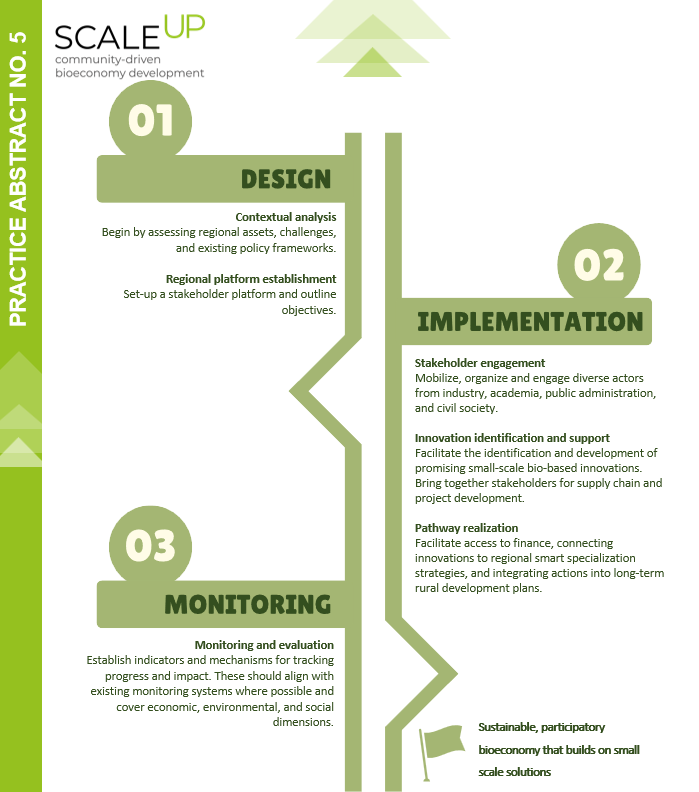
The European bioeconomy has great potential to support climate, biodiversity, and development goals. Yet rural actors – farmers, SMEs, and local authorities – often face barriers to participation, from lack of knowledge to limited funding access. Four EU projects – RuralBioUp, SCALE-UP, BioRural, and MainstreamBIO – have released joint recommendations for an updated EU Bioeconomy Strategy.
With the 2027 deadline of the Water Framework Directive approaching and the new Nature Restoration Regulation mandating large-scale ecosystem recovery, the CAP’s role in safeguarding rivers, wetlands, and catchments has become critical. This Policy Working Paper argues that long-term agricultural resilience is inseparable from healthy freshwater ecosystems and illustrates how water restoration can be embedded in future agricultural policies to enhance water resilience.
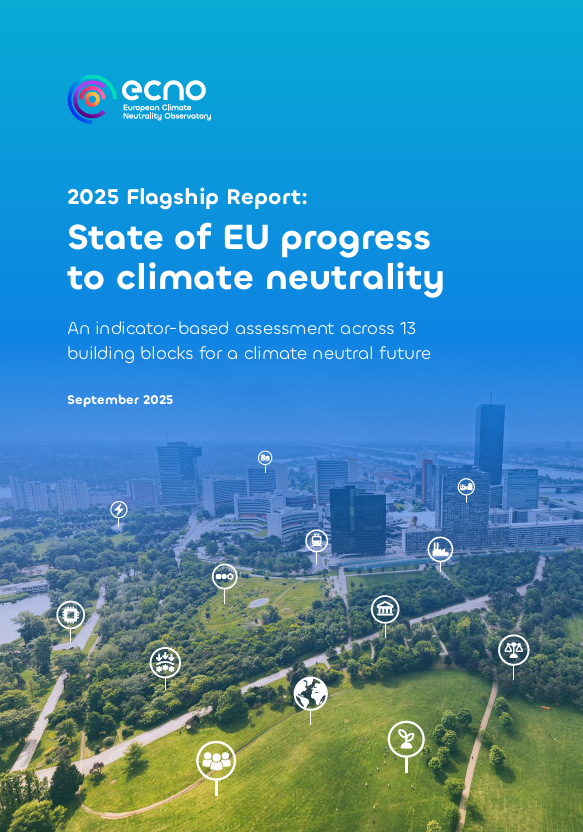
The EU is making promising progress on the road to climate neutrality but needs to keep up the pace to achieve the goal. This is the result of the third progress report by the European Climate Neutrality Observatory (ECNO), which has analysed developments in over 150 indicators across all areas of society. The weak points identified provide crucial information for the work of the EU institutions.