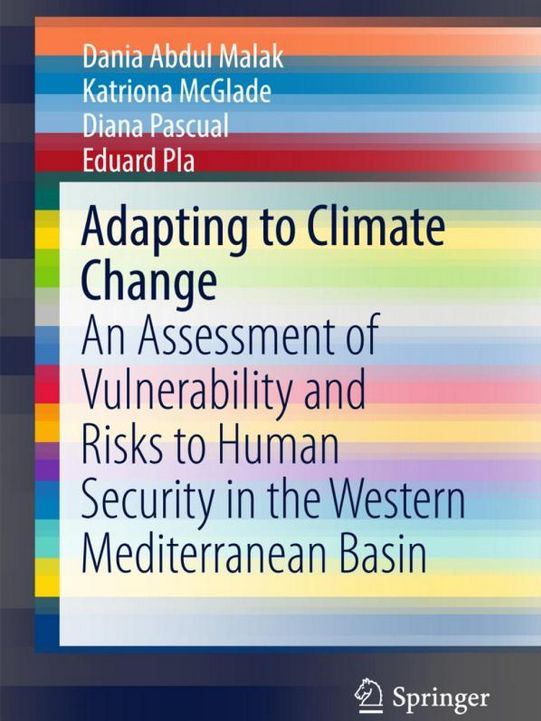
The Mediterranean Basin is extremely vulnerable to climate change. It is already experiencing the effects of higher-than-average temperatures and the increasing incidence of extreme events such as unprecedented heat waves, severe droughts, and major floods. A new book co-written by Ecologic Fellow Katriona McGlade examines the water-related impacts of climate and global change in the UNESCO Intercontinental Biosphere Reserve of the Mediterranean (IBRM) that straddles Spain and Morocco.
<p>Engaging stakeholders in adaptation planning is widely considered to enhance the degree of acceptance and political relevance of environmental policy measures; yet significant room exists for improvement in the design and implementation of stakeholder participation in decision-making processes. A European Policy Event entitled "Implementing COP22 agreements: River basin adaptation planning through stakeholder engagement" was organized by Ecologic Institute within the EU-funded BeWater project to address this topic. The event's key messages and European policy recommendations are available for download.</p>
This Synthesis Report provides an overview of the achievements, lessons learned and challenges identified through the RISC-KIT project activities, including the development and application of the tools at ten case study sites in a range of coastal regions across Europe. The lessons learned are then fed into a series of recommendations for improved DRR for Europe and beyond. The resulting insights and accompanying recommendations have been considered in relation to their relevance to EU and international processes that both directly and indirectly address coastal DRR. The RISC-KIT Synthesis Report is available for download.
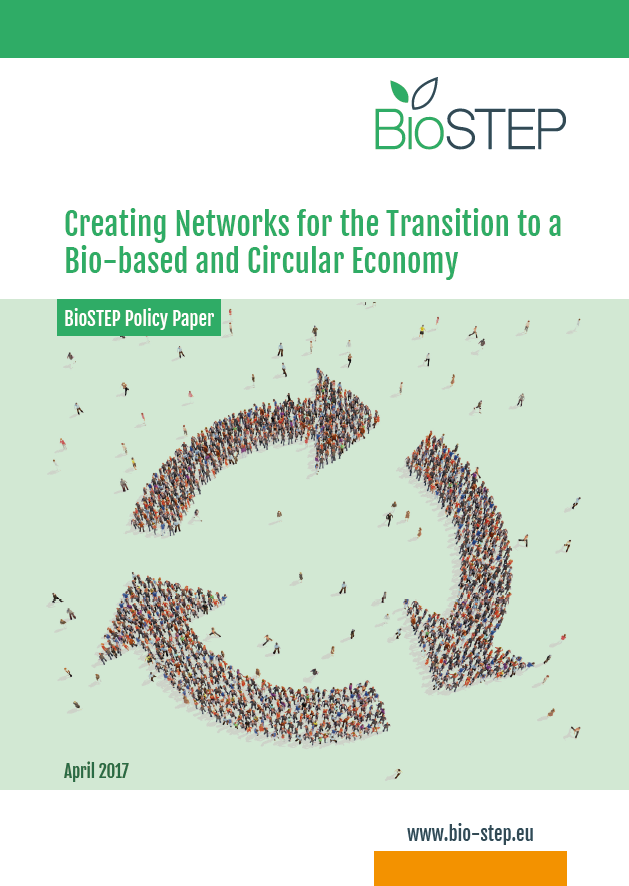
After two years of research and stakeholder consultation, the BioSTEP consortium, led by Ecologic Institute, finalized the BioSTEP policy paper. This paper concludes five recommendations, aiming to support the revision of the European Bioeconomy Strategy. These recommendations were amended and complemented at the BioSTEP Forum, which was held in Brussels in March 2016. The policy paper is available for download.
The 2015 Paris Agreement requires the world's countries to overhaul fossil-fuel based economies and transition to low-carbon societies by mid-century - and asks that all develop national long-term strategies towards that end. Ecologic Institute has developed a concept for the evaluation of such long-term climate strategies for the project MaxiMiseR, run by WWF, which has now published results for the EU countries based on elements of this concept. The concept is available for download.
This paper explores six climate protection studies, namely for France, Italy, Poland, Sweden, United Kingdom and Germany. The authors, among them Ecologic Institute's Lena Donat, analyze objectives, results, modeling approaches, main assumptions and input parameters. The inclusions of long-term strategies in the Paris Agreement and in the European Commission's proposal for a new regulation on the "Governance of the Energy Union" make this analysis very topical. The analysis is available for download.
Veterinary pharmaceuticals and their transformation products have gained increasing attention as environmental contaminants. A research team led by Ecologic Institute analyzed measures that contribute to reduce the input of veterinary pharmaceuticals into the environment. The publication compiles existing approaches and measures for reducing the entry of veterinary pharmaceuticals into the environment, and derives additional measures of relevance for the environment.Over 40 measures to reduce veterinary pharmaceutical input from agriculture into the environment were identified, their effectiveness assessed and given top priority. The publication is available for download.
Brexit, immigration, Euro crisis, economic stagnation in some member states, EU skeptical and nationalist parties on the rise - 60 years after the signing of the Treaties of Rome, the European Union is in turbulent times. The frequency and force of the various crises have created the impression that the EU is not in a position to serve the interests of its citizens and solve their problems. This is also reflected in a loss of confidence in the EU and its institutions - which was most clearly expressed in the Brexit referendum. The discussion will be introduced by keynote speeches by Silke Karcher (BMUB), Frederik Moch (DGB) and Nils Meyer-Ohlendorf (Ecologic Institute).
<p>The Special Theme Day "Taste of the Future of the Seas" on 21 May 2017 will offer a number of activities on the topics of seas and oceans and sustainable consumption for all age groups.</p>
<p>Ever tried bycatch curry, or discussed ocean sustainability while sipping seaweed cocktails? The fourth Science Sips event took place on 19 July 2017 at the Berlin Museum for Natural History and featured talks that explore fisheries policy.</p>
Ever tried oysters from a natural heritage site, or discussed plastics pollution of the oceans while sipping seaweed cocktails? Participants at the second Science Sips event got to experience exactly that on 28 April 2017 while sitting across the impressive dinosaur fossils exhibited at the Berlin Museum for Natural History.
The third Science Sips event event once again offered the opportunity to discuss mare topics together with by-catch curry or seaweed cocktails. At the event on 21 June 2017, three short presentations on the subject of biodiversity of the oceans were presented. Additionally, the winners of the recipe contest "Klug gefischt/Smart fishing" were honored during this event.
Since the adoption of the UN Sustainable Development Goals (SDGs) in September 2015 countries worldwide have started processes towards the implementation of the goals and targets. Some of the targets are often already part of national strategies and instruments. Others are new and still need to be further specified to national circumstances – target 15.3 and the concept of "Land Degradation Neutrality" is one of these.
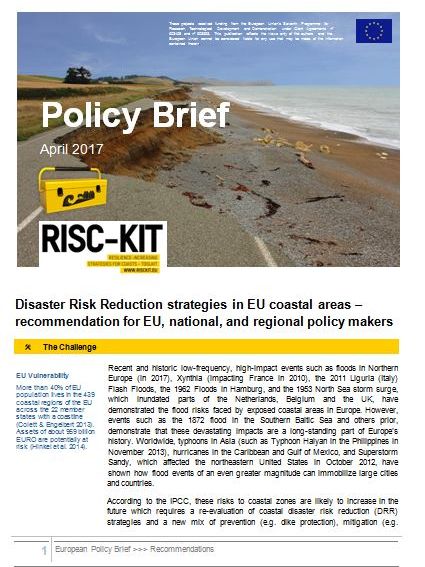
Europe's coastlines are a product of human cultivation. Since settling on the coast, humans have engineered the coastal characteristics to suit the purposes of states, the economy and human recreation. At the time of the Treaties of Rome, Europe had just emerged from the devastating aftermath of the Second World War with a 'great hunger' for a liberal life style, leisure activities and travel. The diverse and scenic views of Europe's coasts offered the ideal destination for such endeavors. Soon, a rapid coastal urbanization coupled with a steady increase in mass tourism emerged. Spurred by the trust in technical and engineering capacities, new bold attitudes about building and living on the sea often interfered with the natural sediment transport of coastal systems, leading to erosion. Today, more than 42% of Europeans live in coastal regions with coastal infrastructure worth about 959 billion EURO. Recent and historic high-impact storm events have demonstrated that weather events pose a significant risk and can immobilize cities and countries. The FP7 project, Resilience-Increasing Strategies for Coasts – toolKIT (RISC-KIT), recently issued a policy brief to communicate lessons learned and to support the dissemination of tools, which coastal managers to improve coastal resilience in Europe and elsewhere.
Transforming the linear economy, which has remained the dominant model since the onset of the Industrial Revolution, into a circular one is by no means an easy task. Such a radical change entails a major transformation of our current production and consumption patterns, which in turn will have a significant impact on the economy, the environment and society. Understanding these impacts is crucial for researchers as well as for policy-makers engaged in designing future policies in the field. This requires developing an in-depth knowledge of the concept of the circular economy, its processes and their expected effects on sectors and value chains.