Building Resilient Pelagic Fisheries in the Marine SABRES Arctic Northeast Atlantic Demonstration Area
- Publication
- Citation
Kopke, K., Rybicki, S., Fitzgerald, E., Weissang, T., Woods, P., Laksá, U., Carlsdóttir Olsen, M., Asif, F., Ólafsdóttir, A.H., Ekstedt, J., Chambers, C., Raakjær, J., Power, O.P., Kroos, F., 2025. Marine SABRES Policy Brief Issue 2: Building Resilient Pelagic Fisheries in the Marine SABRES Arctic Northeast Atlantic Demonstration Area. European Union’s Horizon Europe research and innovation programme under grant agreement no. 101058956.
Pelagic fish stocks such as mackerel, herring, blue whiting, and capelin rank among the most economically valuable marine resources in the Northeast Atlantic. They underpin employment and economic activity in Iceland, the Faroe Islands, and Greenland, while making a substantial contribution to global seafood supply. However, climate-driven shifts in stock distribution are increasingly challenging the effectiveness of existing fisheries management frameworks. As these transboundary stocks move across multiple Exclusive Economic Zones (EEZs), traditional quota allocation mechanisms have become less effective. Disputes over quota allocation among coastal states have resulted in total catches that frequently exceed scientifically advised limits, highlighting the need for more adaptive and cooperative governance.
Marine SABRES develops integrated socio-ecological management approaches
The EU-funded Marine SABRES project is addressing these challenges within its Arctic Northeast Atlantic Demonstration Area. The project is developing a Simple Socio-Ecological System (Simple SES) framework that integrates ecological, economic and social dimensions of fisheries management. Through targeted stakeholder interviews and participatory workshops, researchers are engaging policymakers, scientists, industry representatives, fishers, and local communities to ensure that the framework reflects real-world complexities. Causal Loop Diagrams (CLDs) and iterative model refinement are used to explore interactions between fish stock dynamics, climate change, governance structures and socio-economic dependencies, enabling stakeholders to assess alternative management scenarios.
Adaptive quota management and international cooperation are central to future resilience
The project identifies several priorities for strengthening the resilience of pelagic fisheries. Chief among these is the implementation of adaptive quota allocation, allowing fishing opportunities to respond to up-to-date scientific evidence and changing stock distributions. Marine SABRES also recommends the establishment of binding international quota-sharing agreements that incorporate effective dispute resolution and compliance mechanisms. Improved integration of climate monitoring and ecosystem data into fisheries management would further enhance decision-making. In addition, the project advocates investment in low-emission fishing technologies, circular economy approaches and measures that strengthen the adaptive capacity and long-term economic resilience of coastal communities.
Sustainable Fisheries Governance Benefits Both Marine Ecosystems and Coastal Economies
The findings demonstrate that sustainable fisheries management is not solely an environmental objective but also a prerequisite for long-term economic stability. According to the project, persistent overfishing contributed to the loss of Marine Stewardship Council (MSC) certification for key Northeast Atlantic pelagic fisheries. Restoring catches to scientifically recommended levels would support the recovery of eco-labelling credentials, improve market access and reinforce consumer confidence. Overall, Marine SABRES concludes that resilient pelagic fisheries can only be achieved through cross-border cooperation, adaptive governance, and the integration of robust scientific evidence with stakeholder knowledge and practical experience.
Contact

- Language
-
English
- Authorship
- Credits
Authors: Kopke, K., Rybicki, S., Fitzgerald, E., Weissang, T., Woods, P., Laksá, U., Carlsdóttir Olsen, M., Asif, F., Ólafsdóttir, A.H., Ekstedt, J., Chambers, C., Raakjær, J., Power, O.P.
- Funding
-
European Commission, Directorate-General Research & Innovation (DG Research & Innovation), International - Year
- Dimension
- 4 pp.
- Project
- Project ID
- Keywords
-
pelagic fisheries, sustainable fisheries management, ecosystem-based management, Marine SABRES, biodiversity resilience, climate change, fisheries governance, quota allocation, socio-ecological systems, blue economyNortheast Atlantic, Arctic, Greenland, Iceland, Faroe Islands, Europestakeholder interviews, participatory workshops, Simple Socio-Ecological System (SES), Causal Loop Diagrams (CLDs), socio-ecological modelling, scenario analysis, ecosystem-based management
Sustainable and Ecosystem-based Approach For Fisheries through the Utilization of Technology to Uphold Resilient Environments
- Duration
-
-
- Funding
-
European Commission, Directorate-General Research & Innovation (DG Research & Innovation), International European Climate, Infrastructure and Environment Executive Agency (CINEA), International
Speech:Bringing Science, Policy and Fishers Together for Sustainable Fisheries
- Date
-
- Location
- Mazara del Vallo, Italy
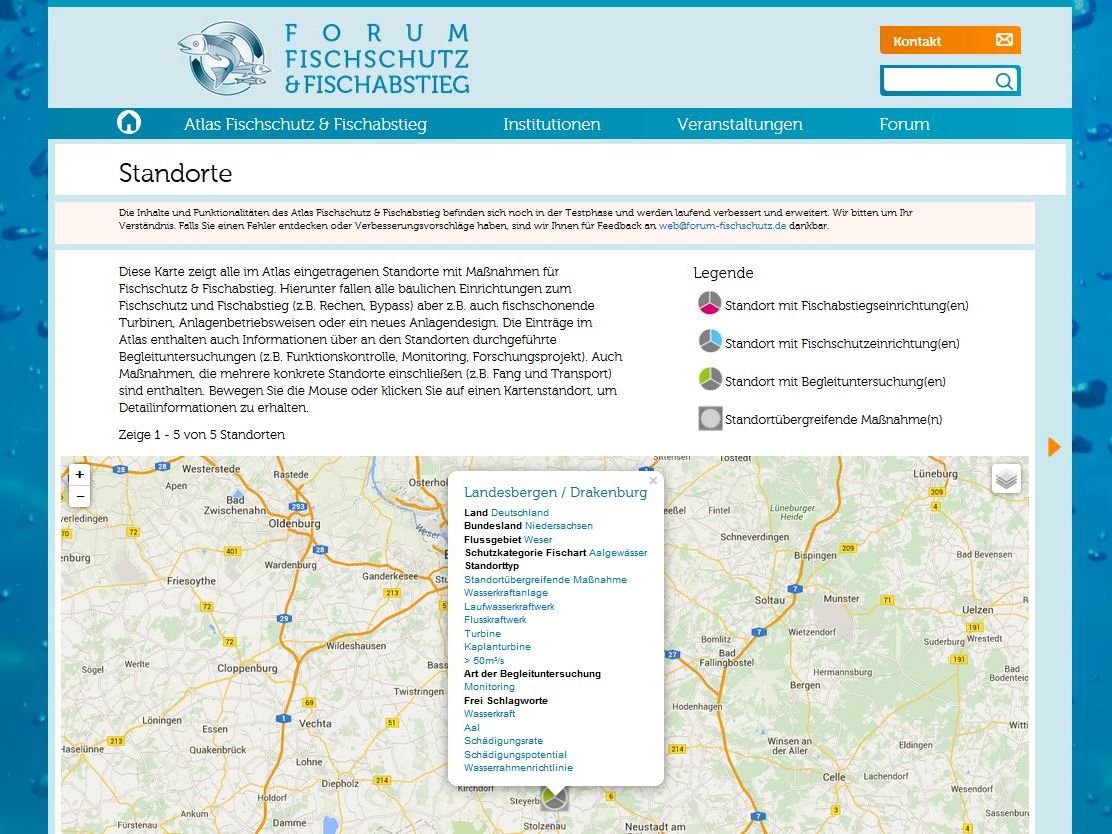
Ecologic Institut 2016: Atlas Fischschutz & Fischabstieg. URL: http://forum-fischschutz.de/atlas-standorte.
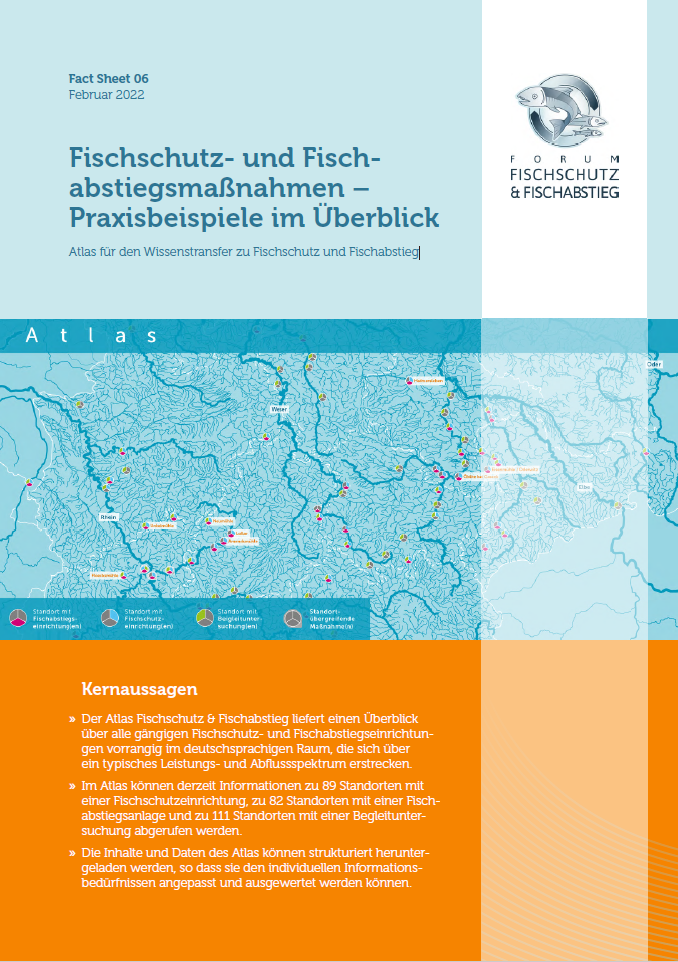
Keuneke, Rita et al. 2022: Fischschutz- und Fischabstiegsmaßnahmen – Praxisbeispiele im Überblick. Atlas für den Wissenstransfer zu Fischschutz und Fischabstieg. Ingenieurbüro Floecksmühle GmbH, Umweltbundesamt: Aachen, Dessau-Roßlau.
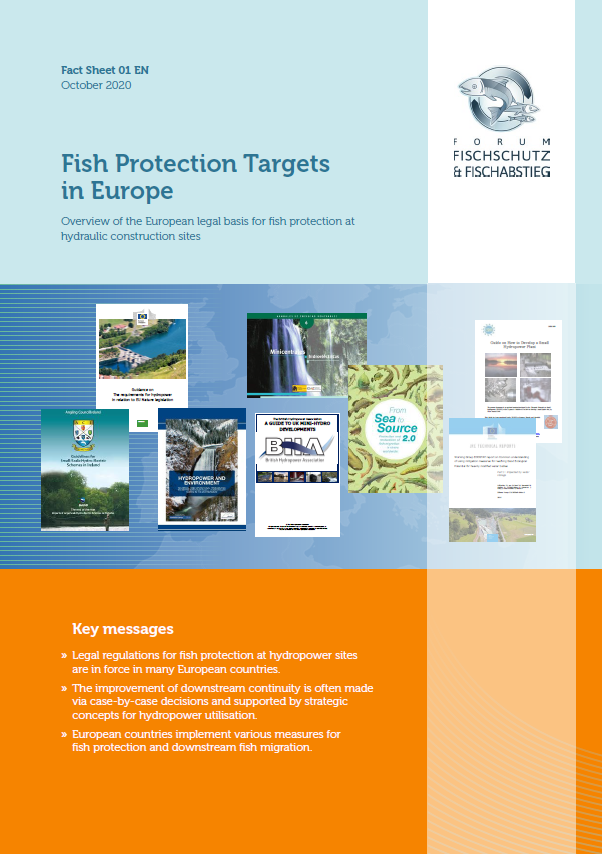
Keuneke, Rita; Edith Massmann and Stephan Naumann 2020: Fish Protection Targets in Europe. Overview of the European legal basis for fish protection at hydraulic construction sites. Ingenieurbüro Floecksmühle GmbH, German Environment Agency: Aachen, Dessau-Roßlau.