Ecologic Institute Newsletter No 290 – November 2026
- Ecologic Institute Newsletter

COP31 Advances Work on Climate Adaptation and Just Transition
Dear readers,
The UN Climate Change Conference (COP31) in Antalya, Türkiye, is just behind us. This "Implementation COP" was meant to focus on turning previous commitments into action. However, technical progress was limited, several decisions were blocked, and politically the COP ended without agreement on the so-called "cover decision" which was an attempt by the COP presidencies of Türkiye and Australia to provide political messaging beyond the other negotiated texts. A minimal outcome despite a record-long extension of the negotiations into late Sunday.
The science is clear, yet increasingly politically contested: UNEP’s Emissions Gap Report 2026 warns that exceeding 1.5°C is now unavoidable under current commitments, making effective implementation essential to limit the extent and duration of the overshoot. At the same time, real-world progress is also more visible than ever: renewables have overtaken coal as the dominant source of electricity globally. And the IEA expects clean energy investment in 2026 (USD 2.2 trillion) to be almost double that of fossil fuels.
The public conflict over mentioning the need to transition away from fossil fuels, which had already been agreed in 2023, was broadcast to the world from Antalya at the end of COP31 and may cast a shadow over the UN process for the moment. The joint opposition, however, by those that recognise the clean energy reality might galvanise progress in other ways: Alliances of those that are moving forward were visible in Antalya, for example, in the 35-by-35 Global Electrification Pledge.
Ecologic Institute has been observing the UNFCCC processes since COP1 in Berlin and will continue to do so in support of multilateral negotiations under the United Nations. Our delegation was monitoring the process in Antalya up close and contributed to the conference in different ways. Three Ecologic experts advised the German and EU delegations on key negotiation topics for the whole two weeks. Others organised side events to present project results and share insights with colleagues from around the world, on issues such as carbon pricing and transition tracking. We will stay engaged in monitoring progress in Europe and engaging in the discussion on how to enhance the climate negotiations.
Beyond COP31, this newsletter brings together the latest news from our research, projects and activities. We hope you enjoy reading!
Your Ecologic Institute Team

Groundwater in Europe: Securing a Strategic Resource under Growing Pressure – Report
Groundwater supplies around two-thirds of Europe’s drinking water and sustains many ecosystems. In 2021, nearly 27% of the total area of EU groundwater bodies fell short of good overall status. The report recommends better controls on water abstraction and measures to support natural groundwater recharge.

From Common Standards to Climate Policy Action – Report
Common standards can make climate services more reliable and easier to compare. Drawing on European case studies, this Climateurope2 report explains how to put standards into practice through flexible rules that meet local needs, cooperation across levels of government and involvement of the people who use climate information.

Carbon Storage in the North and Baltic Seas: Potential and Limitations of Marine Habitats – Literature Review
Seabed sediments hold the most carbon overall in the North and Baltic Seas. Seagrass meadows are especially efficient at retaining carbon per unit area. This literature review finds that it is still difficult to estimate how much carbon remains stored over the long term. One open question is how much carbon moves between habitats.
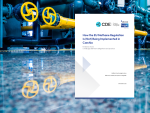
EU Methane Regulation: Major Implementation Gaps in Czechia – Report
This report describes major gaps in Czechia’s implementation of the EU Methane Regulation. The competent authorities lack enforcement powers, rules on penalties are still pending, and most other obligations remain unmet. Current legislative plans suggest these gaps will persist until at least the end of 2029.
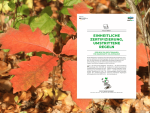
EU Carbon Removal Certification: Common Standards, Contested Rules – Policy Brief
The EU’s new certification rules cover three methods of permanent carbon dioxide removal. Requirements for carbon accounting and storage remain contested. This policy brief examines the legal challenges and possible implications for the EU Emissions Trading System.
COP31 | COP17 | Fieldwork with Fishers | Survey on NbS Financing | EEA Topic Centre | Recent Events
COP31 Advances Work on Climate Adaptation and Just Transition
Ecologic Institute at COP31
Bringing Marine Biodiversity Research to CBD COP17 in Yerevan
Ecologic Institute at the CBD COP17
Invasive Marine Species in Crete: Working with Fishers to Find Solutions
SEA4FUTURE | Fieldwork with Fishers
Innovative Financing for Nature-based Solutions
FairNature | Online Survey
Ecologic Institute Joins New EEA Topic Centre on Biodiversity and Nature
Connecting Regional Organic Producers with Public Catering in Brandenburg
Market Information Talk | Event Documentation
Stakeholder Expertise Shapes Floodplain Restoration Training
FLOODTRAIN Advisory Group Workshop | Event Recap
We are hiring!
Student Assistant in the Natureᐩ Programme
Application deadline: 15 December 2026
Expert in Methane Emissions and Energy Security Policies
Application deadline: 16 December 2026
Contents
| ▸ | Groundwater in Europe: Securing a Strategic Resource under Growing Pressure – Report |
| ▸ | From Common Standards to Climate Policy Action – Report |
| ▸ | Carbon Storage in the North and Baltic Seas: Potential and Limitations of Marine Habitats – Literature Review |
| ▸ | EU Methane Regulation: Major Implementation Gaps in Czechia – Report |
| ▸ | EU Carbon Removal Certification: Common Standards, Contested Rules – Policy Brief |
| ▸ | COP31 | COP17 | Fieldwork with Fishers | Survey on NbS Financing | EEA Topic Centre | Recent Events |
| ▸ | Join us this winter |
| ▸ | We are hiring! |