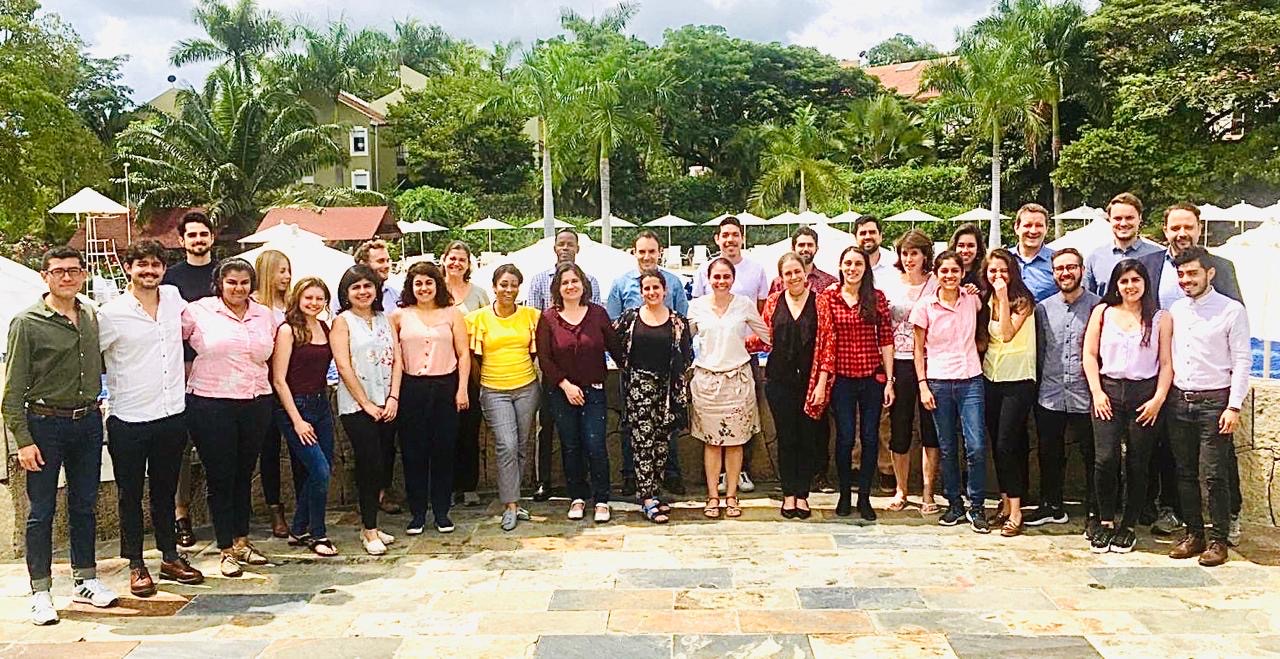
The Ecologic Institute team at COP31 in Antalya. The institute co-hosted two side events, one on building expertise in emissions trading and one on how participation, accountability and transparency can strengthen climate action.
|© Ecologic Institute, 2026
COP31 Advances Work on Climate Adaptation and Just Transition
- News
- Date
-
- Location
- Antalya, Turkey
The annual climate negotiations session COP31 closed in Antalya on 22 November with decisions including on just transition, climate adaptation and climate finance. Despite a record extension of negotiation time, parties could not agree on an overarching decision with political key messages, the “Antalya Pact” proposed by the COP Presidency. The sticking points included to what extent the so-called cover decision would address mitigation and mention fossil fuels, and how to implement finance goals in particular for adaptation finance.
Türkiye hosted COP31 and acted as the formal presidency, while Australia was mandated to lead the organisation of the negotiations. The focus of COP31 was meant to be on putting earlier agreements into practice.
The conference started against the news that global warming is set to exceed 1.5°C and that current national climate commitments fall short of the cuts needed to limit how far and for how long warming exceeds that level – published in the 2026 edition of the annual Emissions Gap Report issued by UNEP. Despite this stark reminder of the need for action – and new records in clean energy investments and renewable electricity generation – the negotiations were not able to make significant progress.
Besides the thematic decisions on regular agenda items, the cover decision was supposed to contain the overarching political message of this conference. However, the draft text regarding mitigation and fossil fuels was weakened so much over the course of the conference that the EU and others, including developing countries, blocked its adoption. Other decisions could only be adopted by procedurally deferring the key issues.
On the positive side, after several years of quagmire, parties agreed to the full transition of the Adaptation Fund from the Kyoto Protocol to the Paris Agreement. The transition will happen automatically once the Adaptation Fund receives the first share of proceeds from the market mechanism under Article 6.4 of the Paris Agreement.
Ecologic Institute's experts inside the negotiations
Dr. Ralph Bodle and Arne Riedel Escobar of Ecologic Legal and Fenja Kroos participated in the COP31 climate negotiations as members of the delegation of Germany and the EU negotiating team. They advise on the German government and relevant coordination groups of the European Union delegations within the context of several key negotiating topics. Arne Riedel Escobar covers and coordinates for the EU a range of crosscutting topics, including human rights, Action for Climate Empowerment (ACE), gender, and the Local Communities and Indigenous Peoples Platform. Ralph Bodle advises on legal aspects across the multitude of climate finance agenda items and covers the Adaptation Fund, Fenja Kroos covers ACE and gender.
Events on emissions trading and democratic participation
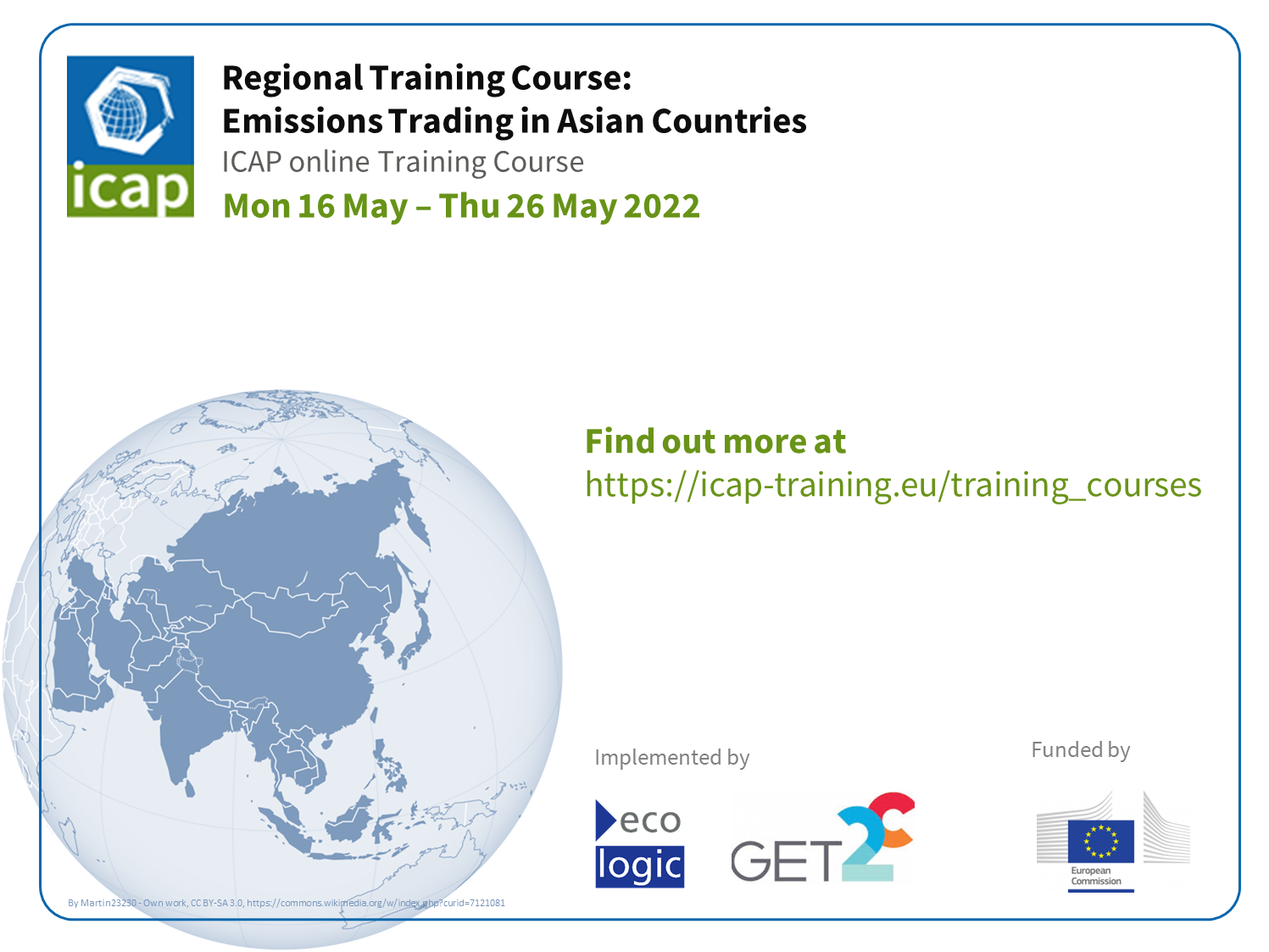
Moreover, Ecologic Institute co-hosted two side events. Jonathan Gardiner and Charlotte Felthöfer organised an ICAP alumni meeting at the EU Pavilion on 18 November, bringing together people working on emissions trading and past participants of previous capacity building activities. Ecologic Institute presented an overview of past and upcoming activities in the project. On 19 November, Ecologic Institute joined Dublin City University and the University of Eastern Finland as well as the LSE Grantham Institute on Climate Change to discuss how participation, accountability and transparency can strengthen climate action and democracy. Matthias Duwe, Director of the Climate Programme, presented the transition tracking approach developed by Ecologic Institute for the European Climate Neutrality Observatory (ECNO). Its focus on measuring progress on enabling conditions for emissions reductions can generate more actionable results for direct use by decision-makers and can increase transparency and accountability.


Contact