How can sustainability be firmly embedded in the education of medical and pharmaceutical professionals? A research article in the International Journal of Sustainability in Higher Education explores this question in the German context. The authors identify structural barriers that currently hinder the systematic integration of sustainability and present a political roadmap for higher education, vocational training and continuing professional development.
Although pharmaceuticals are indispensable for public healthcare, their environmental impacts are rarely considered during prescribing or dispensing. A newly developed Environmental Pharmaceutical Index (EPI) aims to integrate environmental information systematically into pharmaceutical and medical decision-making. The objective is to balance therapeutical needs and environmental impacts by supporting the selection of therapeutically equivalent medicines with lower environmental impacts without compromising patient care.
The brief links these findings to concrete recommendations for implementing Regulation (EC) No 1107/2009 more effectively. These include updating EFSA guidance and the data requirements under Regulations (EU) No 283/2013 and 284/2013, expanding the use of sensitive species and endpoints, improving assessments of pesticide mixtures and environmental fate, and better integrating non-dietary exposure and vulnerable life stages into regulatory testing. Many of these improvements could therefore be introduced within the existing EU approval framework.
The European Commission’s proposed Omnibus Simplification Package aims to streamline the authorisation of pesticides and reduce regulatory burdens within the European Union. However, a new Policy Forum article published in Science argues that the proposal could significantly weaken environmental risk assessment procedures and increase risks to biodiversity and human health. According to the authors, the current EU pesticide framework already contains important gaps, including insufficient consideration of impacts on many non-target organisms, cumulative effects of multiple pesticides, and sublethal ecological impacts. Rather than addressing these shortcomings, the Omnibus proposal may exacerbate them.
Researchers at Ecologic Institute have developed a new tool to help governments to produce socially just climate adaptation strategies. The Just2Adapt tool allows the user to analyse the justice dimensions of Heat Action Plans at the strategic level as well as at the level of individual measures. It is important that heat adaptation strategies integrate social justice considerations because of the unequal way in which the heat-health effects of climate change are distributed across the population.
Prescribing decisions are currently guided primarily by therapeutic efficacy, patient safety and cost-effectiveness. A recent feasibility study explores how environmental information could also become part of routine pharmaceutical decision-making in the future. At the centre of the proposed concept is a German Environmental Pharmaceutical Index (EPI), designed to provide standardised environmental information on active pharmaceutical ingredients (APIs) and make it readily accessible for healthcare professionals.
This publication documents informational and educational materials for the fields of medicine, pharmacy, and health communication. The project aimed to reduce the release of pharmaceutical substances into the environment and to strengthen the integration of environmental knowledge into education, teaching, and professional practice. The project produced openly accessible materials for universities and continuing education programmes, pharmacies, and the general public. In addition, an online platform was established to consolidate scientific background information, infographics, and teaching resources.
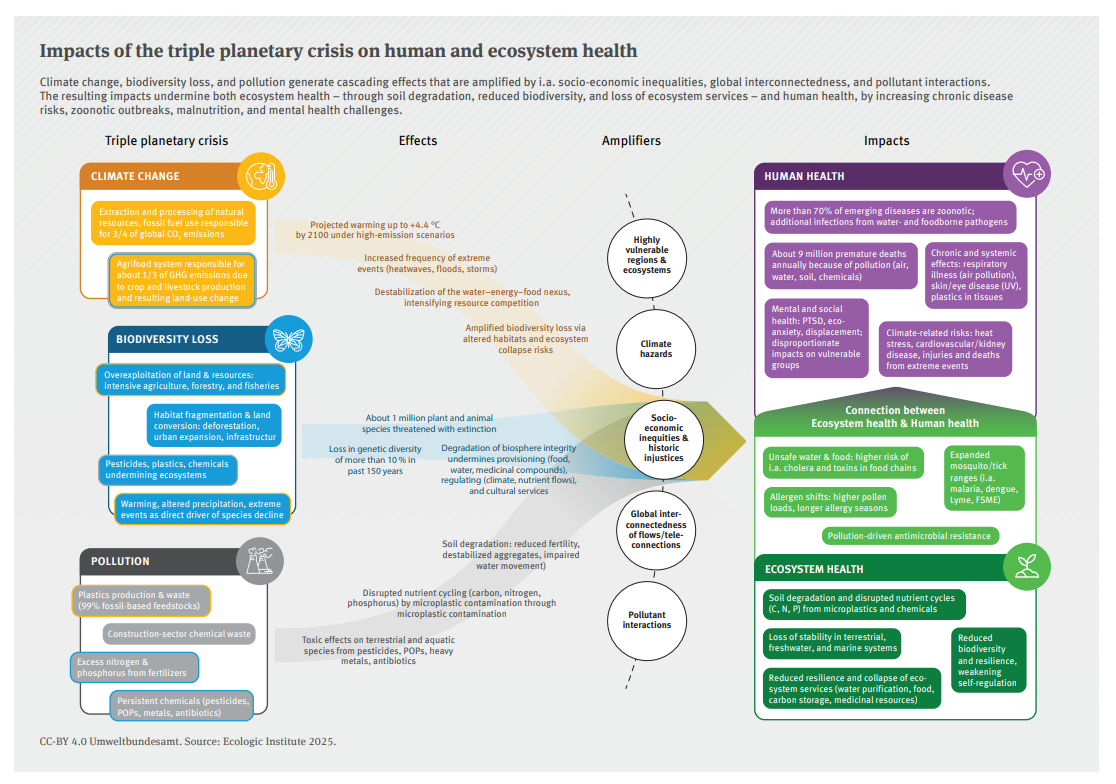
The triple planetary crisis is a systemic challenge, not three separate issues: climate change, biodiversity loss, and pollution reinforce one another through shared drivers and feedback, threatening planetary and human well-being. It is driven by fossil fuel dependence, unsustainable production and consumption, overexploitation of land and resources, and structural inequalities. The analysis concludes that the triple crisis can only be effectively addressed through systemic, cross-sectoral, and justice-oriented approaches. By linking resource governance, NbS, and transformative change, this report highlights how today’s triple crisis can be turned into an opportunity to regenerate ecosystems, reduce inequalities, and build resilient societies within planetary boundaries.
This fact sheet summarizes the information contained in the publication Burgos Cuevas et al. (2025): Moving from interconnected crises to systemic solutions. Resource efficiency, nature-based solutions, and systemic transformation as responses to the complexity of the triple planetary crisis. Interim report, Climate Change 83/2025. German Environment Agency: Dessau-Roßlau. https://doi.org/10.60810/openumwelt-8108.
This solution-oriented infographic showcases nature-based solutions (NbS) as systemic responses to the triple planetary crisis, illustrating how measures such as wetland restoration, mangrove protection or urban green infrastructure can simultaneously address climate change, biodiversity loss and pollution, while delivering co-benefits for health, resilience and livelihoods.
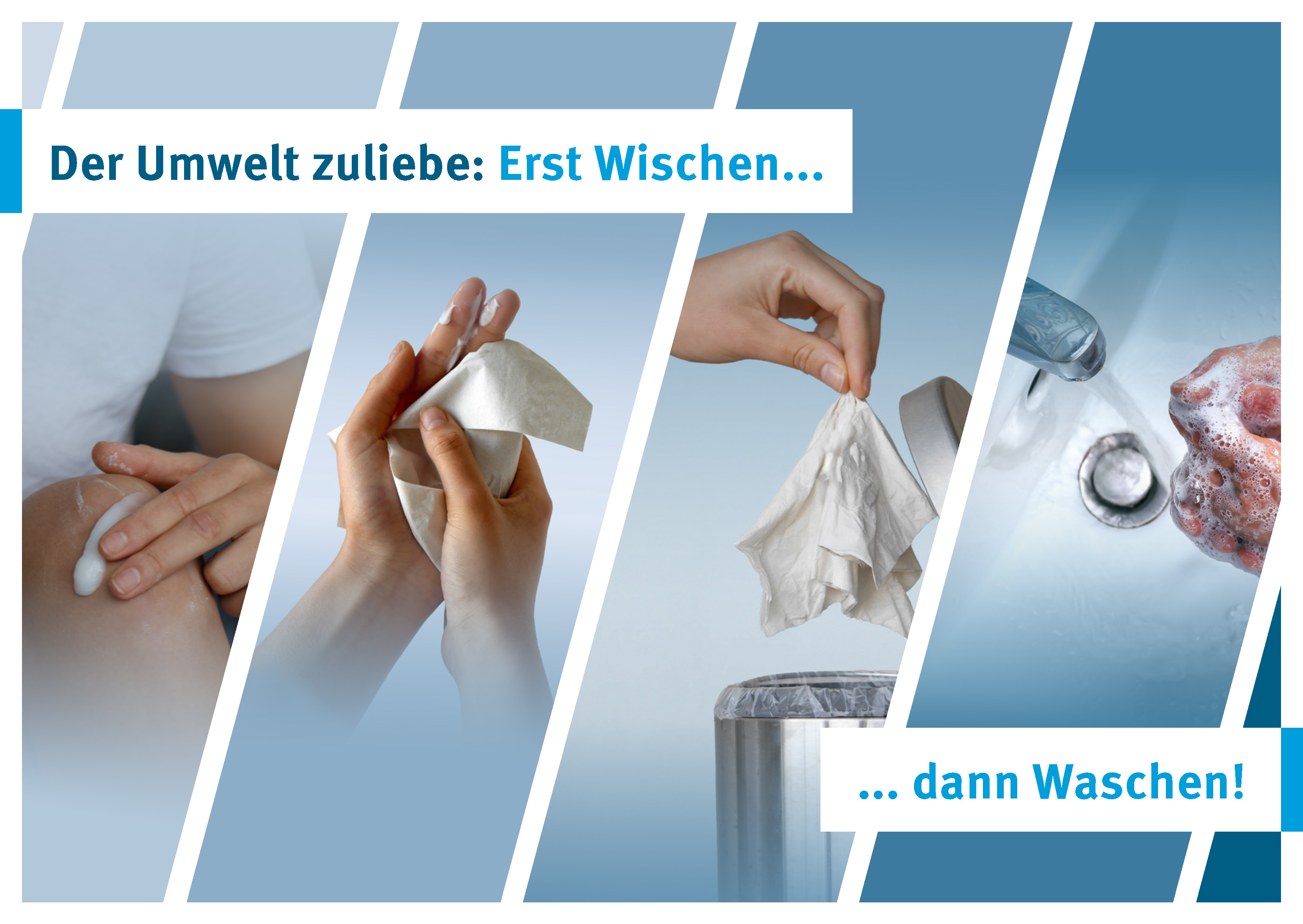
Pharmaceutical substances from creams and gels can enter wastewater when washed off after application. However, this can be reduced by first wiping your hands with a paper towel, disposing of it in the household waste, and only then washing your hands.
The Federal Environment Agency's online platform "Pharmaceuticals and the Environment" provides information on the environmental impact of human pharmaceuticals and gives recommendations for environmentally conscious use and disposal. The aim is to minimize the entry of pharmaceutical residues into the environment and thus protect organisms, water, and soil.
Kemper, Melanie 2025: Verbreitung von Informations- und Lehrmaterialien für einen umweltbewussten Umgang mit Humanarzneimitteln - Konzept und Plan für eine Kampagne. Ecologic Institut, Berlin. Unpublished.
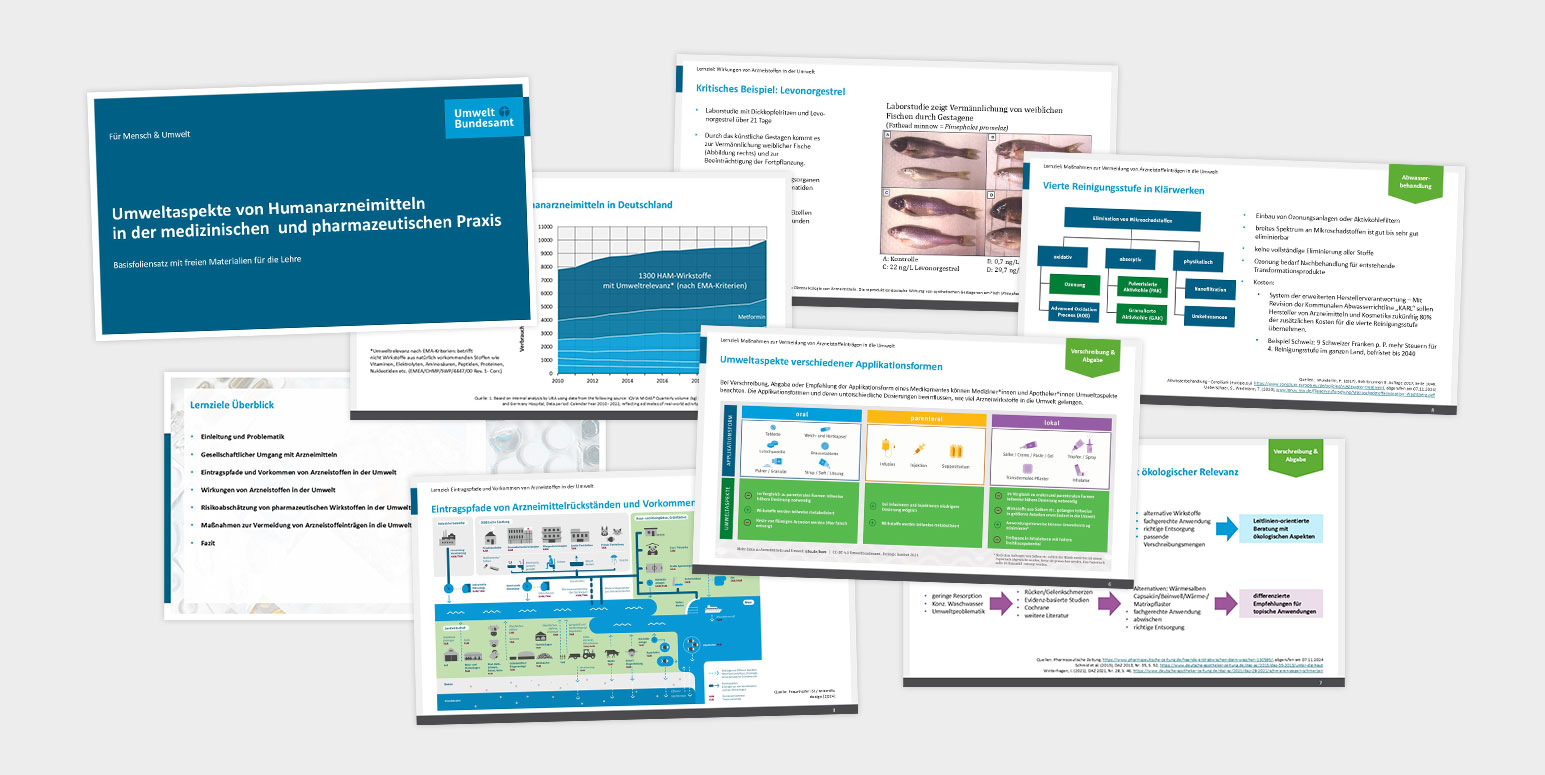
Pharmaceuticals in the environment are a growing problem. The UBA Internet portal "Human Medicinal Products and the Environment" offers freely available, scientifically proven teaching materials for medical and pharmaceutical lecturers. With the basic set of slides and the accompanying texts, the topic can be taught comprehensively and practically despite tight curricula.
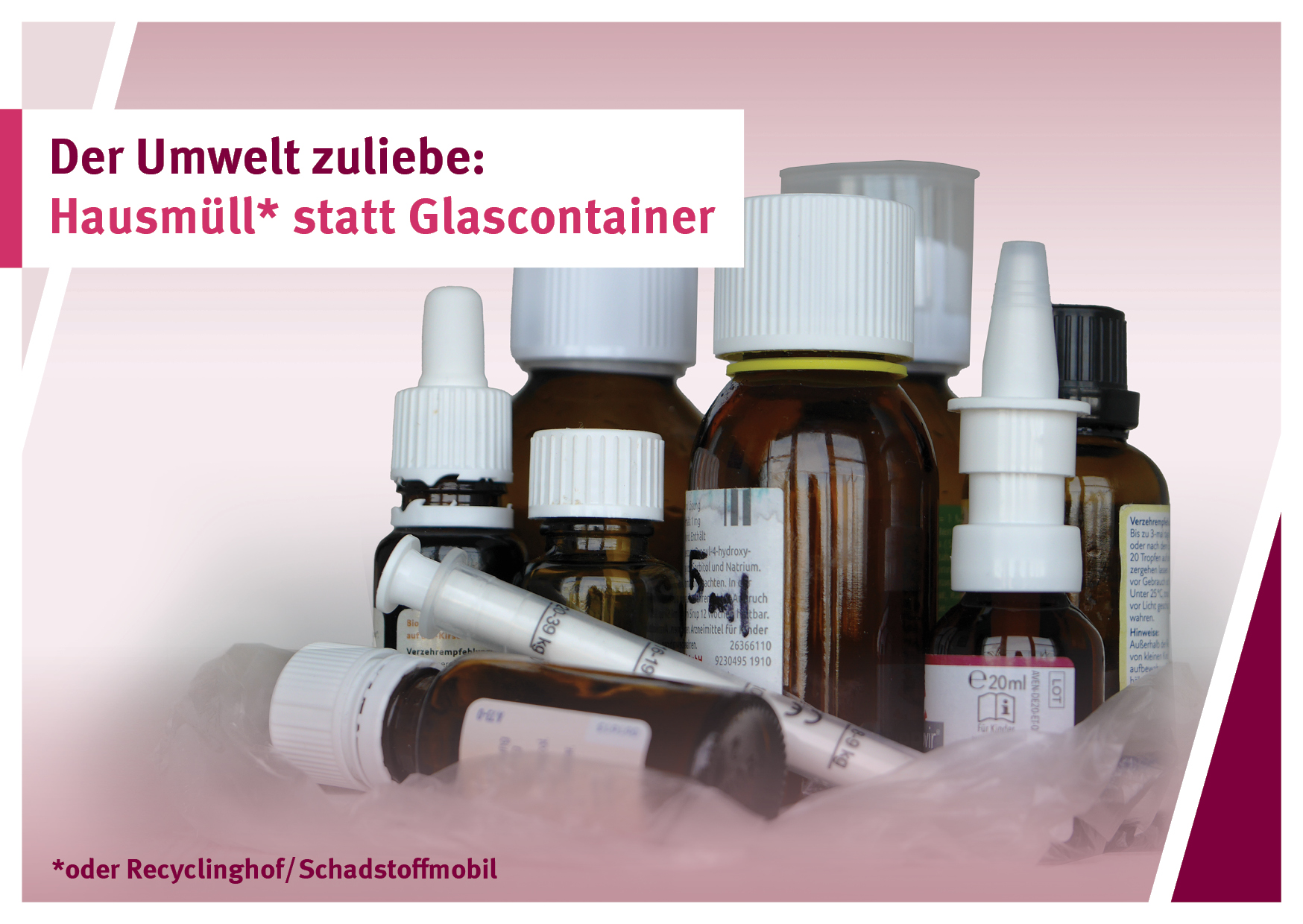
Liquid pharmaceutical leftovers are more often disposed of incorrectly in waste water than solid ones. For this reason, a German-language postcard in DIN A6 (10 x 15 cm) has been developed on this topic, which can be given to customers when liquid medicines are handed in at the pharmacy.
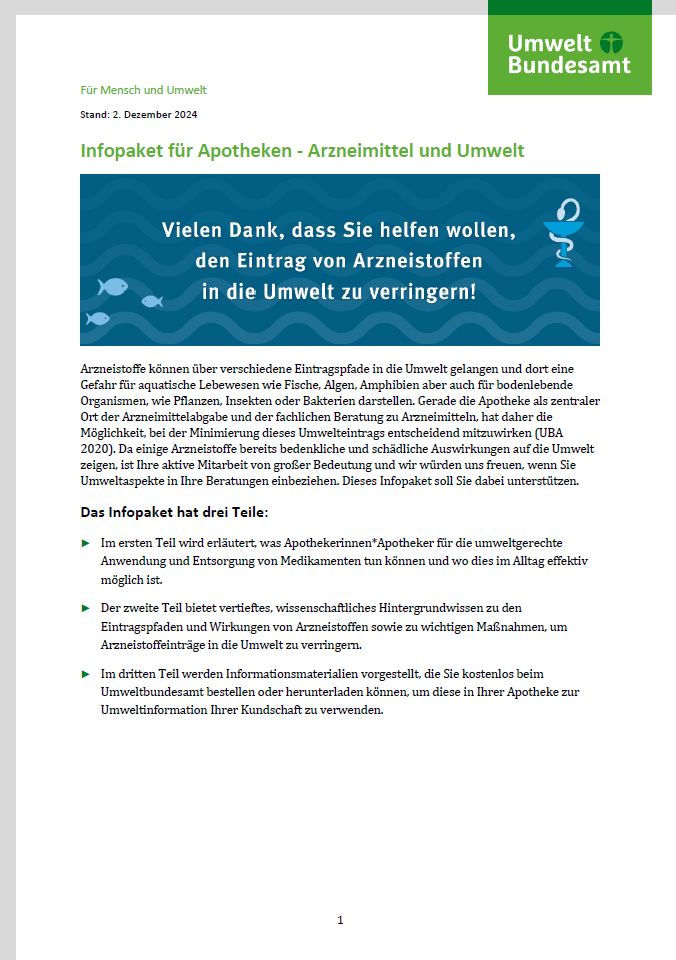
Pharmacies are an obvious place for conversation about pharmaceuticals and their effects on people and the environment, as well as the disposal of unused products. The information package for pharmacies provides pharmacy staff with in-depth background information for such discussions.
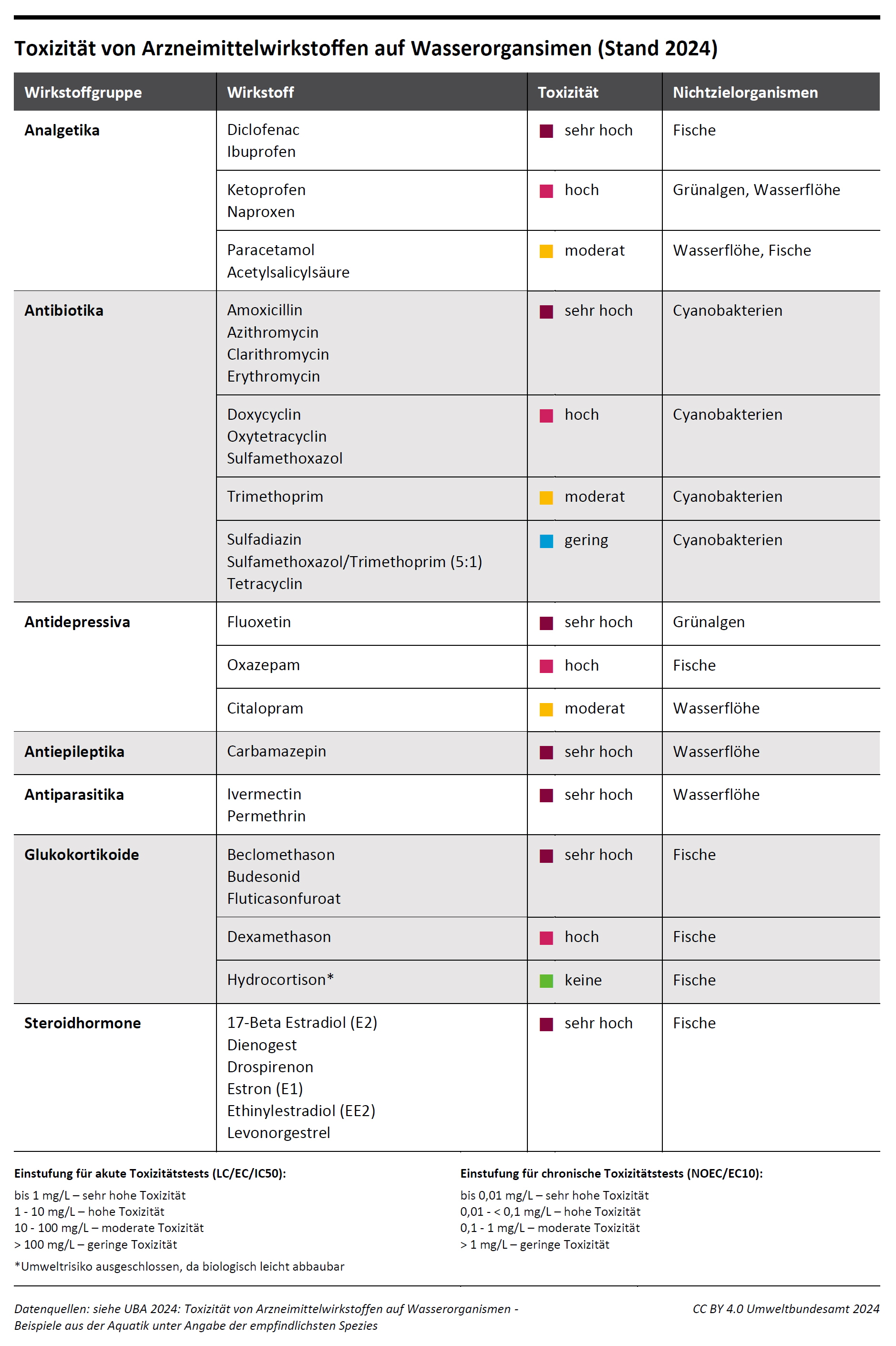
This infographic provides a brief overview of the toxicity of human pharmaceutical substances on non-target organisms observed in laboratory and case studies. A detailed version of the table, which also includes effect concentrations and literature sources, can be downloaded as a PDF.
Pharmacies can order this decorative wall calendar free of charge and give it as a promotional gift to their customers. The calendar is designed as a year-independent birthday calendar in DIN A4. Each month, attractive, large photo motifs and short texts focus on a different aspect of pharmaceuticals and the environment.
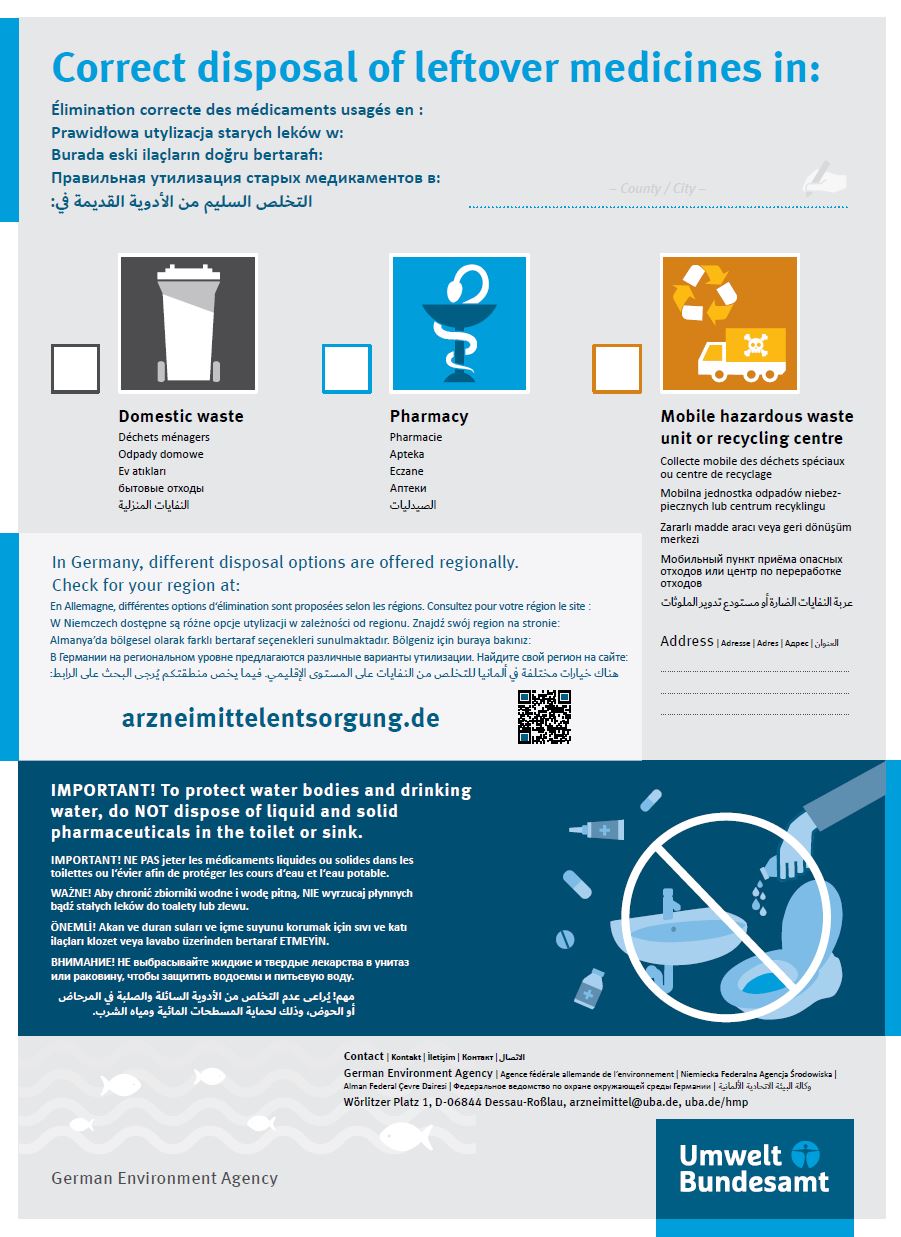
Many people think that old medicines should always be disposed of via pharmacies. Providing information about the applicable disposal methods, which vary from region to region, takes time in the pharmacy. The poster "Correct disposal of leftover medicines in: ...." is intended to ease the burden on staff by providing disposal information in writing on the sales floor. Other useful locations for the poster could include doctors' surgeries, hospitals, health advice centers, health insurance companies or waste disposal companies.
Bei der Anwendung arzneimittelhaltiger Cremes und Gels kann die ins Abwasser gelangende Arzneistoffmenge dadurch reduziert werden, dass man sich nach dem Auftragen zunächst die Hände mit einem Papiertuch abwischt, das im Hausmüll entsorgt wird, und erst dann die Hände wäscht. Deshalb wurde zu diesem Thema eine deutschsprachige Postkarte in DIN A6 (10 x 15 cm) entwickelt, die der Kundschaft bei Abgabe von arzneimittelhaltigen Cremes und Gels in der Apotheke mitgegeben werden kann.
The article "Design of greener drugs: aligning parameters in pharmaceutical R&D and drivers for environmental impact" published in Drug Discovery Today explores the challenges and opportunities in developing pharmaceuticals that are not only safe and effective for patients but also environmentally sustainable. This open access article – written by a cross-disciplinary team with representatives of universities, regulators, research-based pharmaceutical companies and SMEs – identifies the most promising areas for action in pharmaceutical research and development. It specifically aims to bridge the scientific concepts used by the expert communities in both environmental science and pharmaceutical R&D.
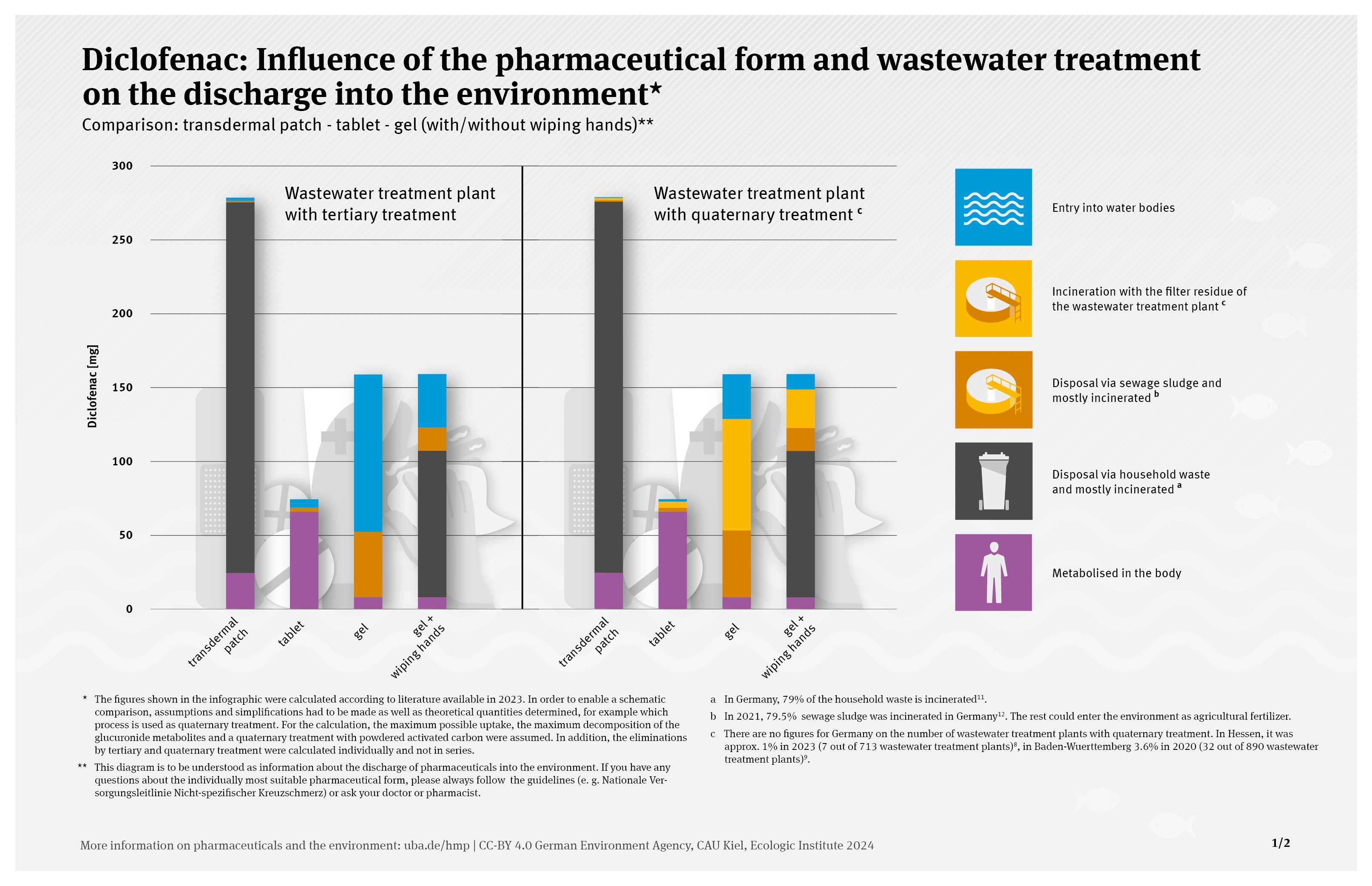
The analgesic and anti-inflammatory pharmaceutical active ingredient Diclofenac can be administered in various forms of application. The discharge of the active ingredient into wastewater varies depending on the form of application. The final entry into the environment's water bodies is additionally influenced by the type of wastewater treatment.
Urban water management is facing new challenges due to climate change. Intensified precipitation is putting additional stress on stormwater systems, leading to increased flood risks, more frequent combined sewer overflows (CSOs), and resultant risks to public health and urban biodiversity. These topics are addressed in a new publication co-authored by Gregory Fuchs and McKenna Davis of Ecologic Institute entitled 'Sitting in our own soup? Combined sewers, climate change and nature-based solutions for urban water management in Berlin.'
Active Pharmaceutical Ingredients (APIs), their metabolites, and transformation products often act as pollutants in the environment, impacting both human health and ecosystems. To tackle this issue, an efficient, long-term prevention strategy involves designing APIs with reduced environmental impact – greener APIs. This involves incorporating environmental parameters into the Research and Development (R&D) process. This article explores the feasibility of designing greener APIs, drawing insights from drug design experts in major research-based pharmaceutical companies.
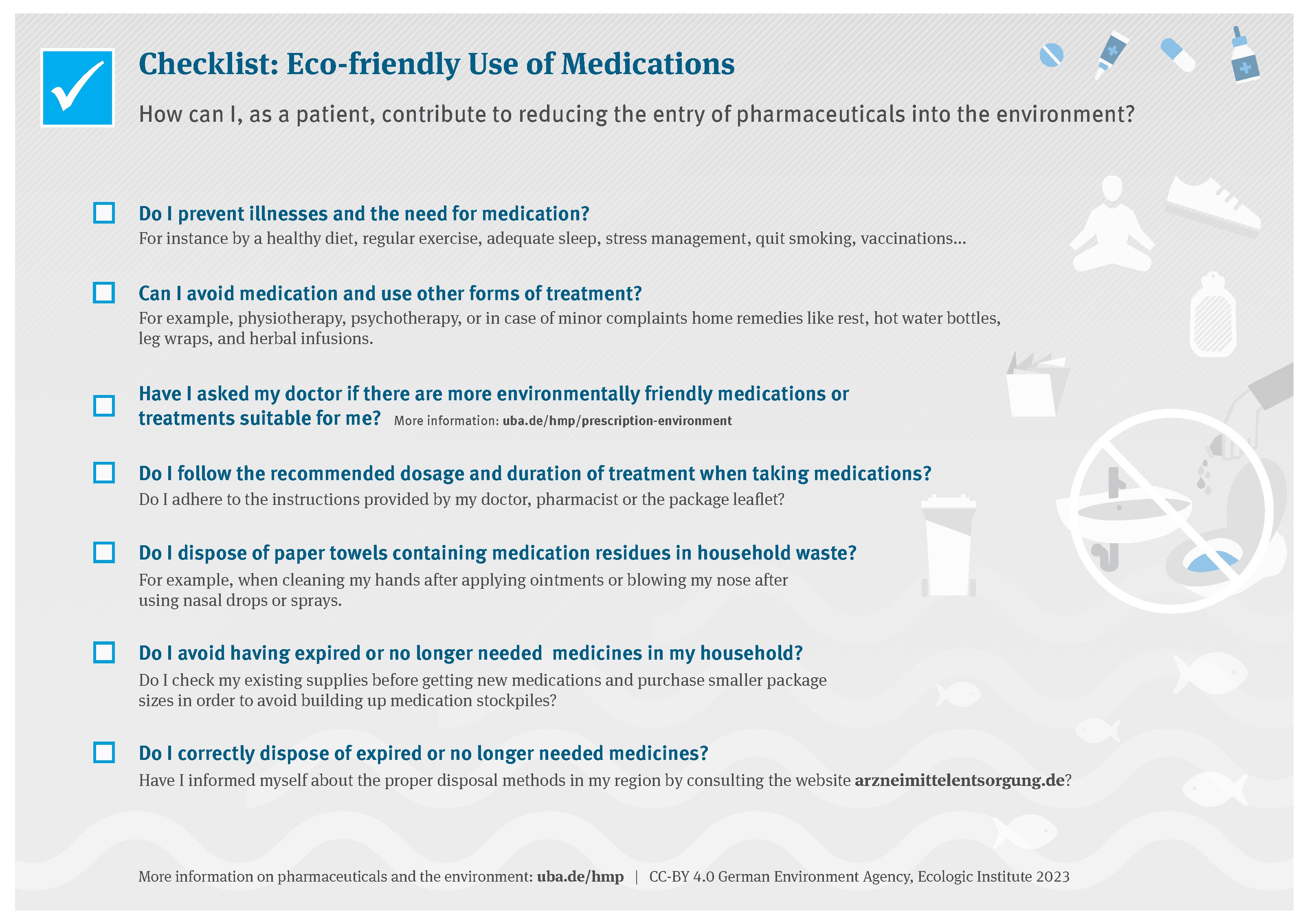
By using pharmaceuticals in an environmentally conscious manner, patients can help to minimize their release of pharmaceuticals into the environment. The core elements have been compiled in a checklist to provide quick and effective information on environmentally friendly patient behavior.
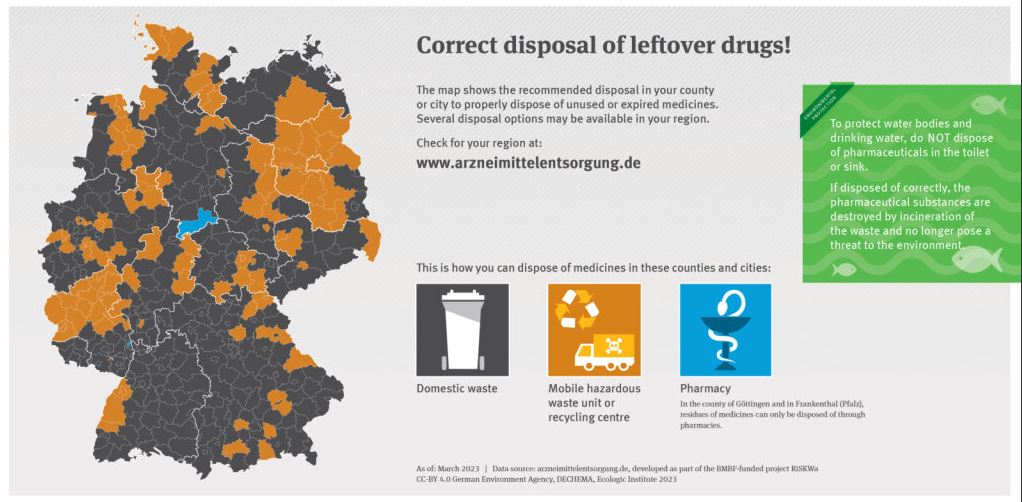
The improper disposal of (used) pharmaceuticals via the toilet and sink is still one of the largest avoidable ways in which pharmaceuticals enter the environment. This infographic therefore provides information on the correct disposal of leftover pharmaceuticals in Germany.
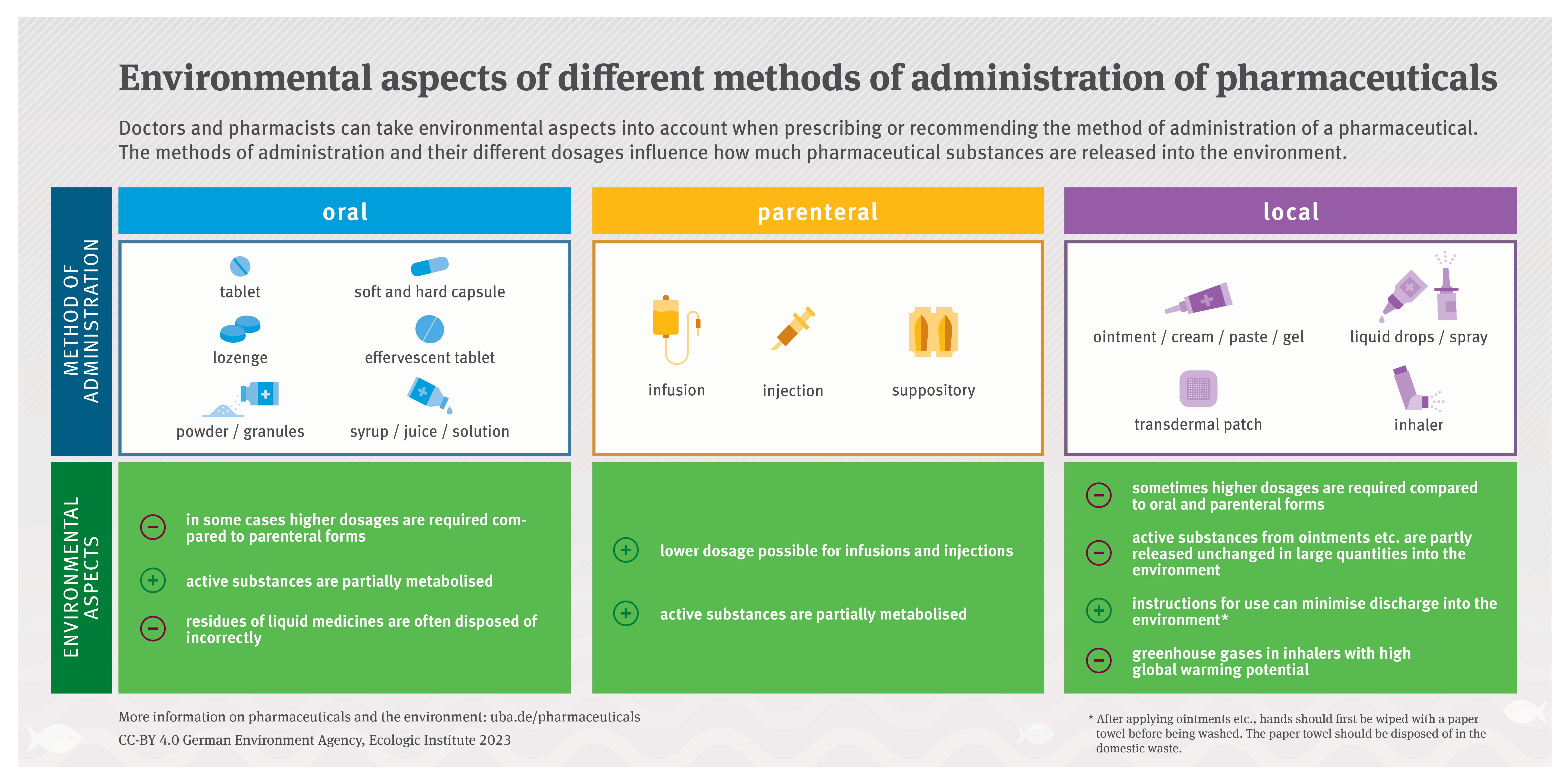
The decision to use a particular form of administration of a pharmaceutical can have an impact on the release of pharmaceutical substances into the environment. This infographic provides a comprehensive overview of common routes of administration of human medicines and their potential environmental impact.
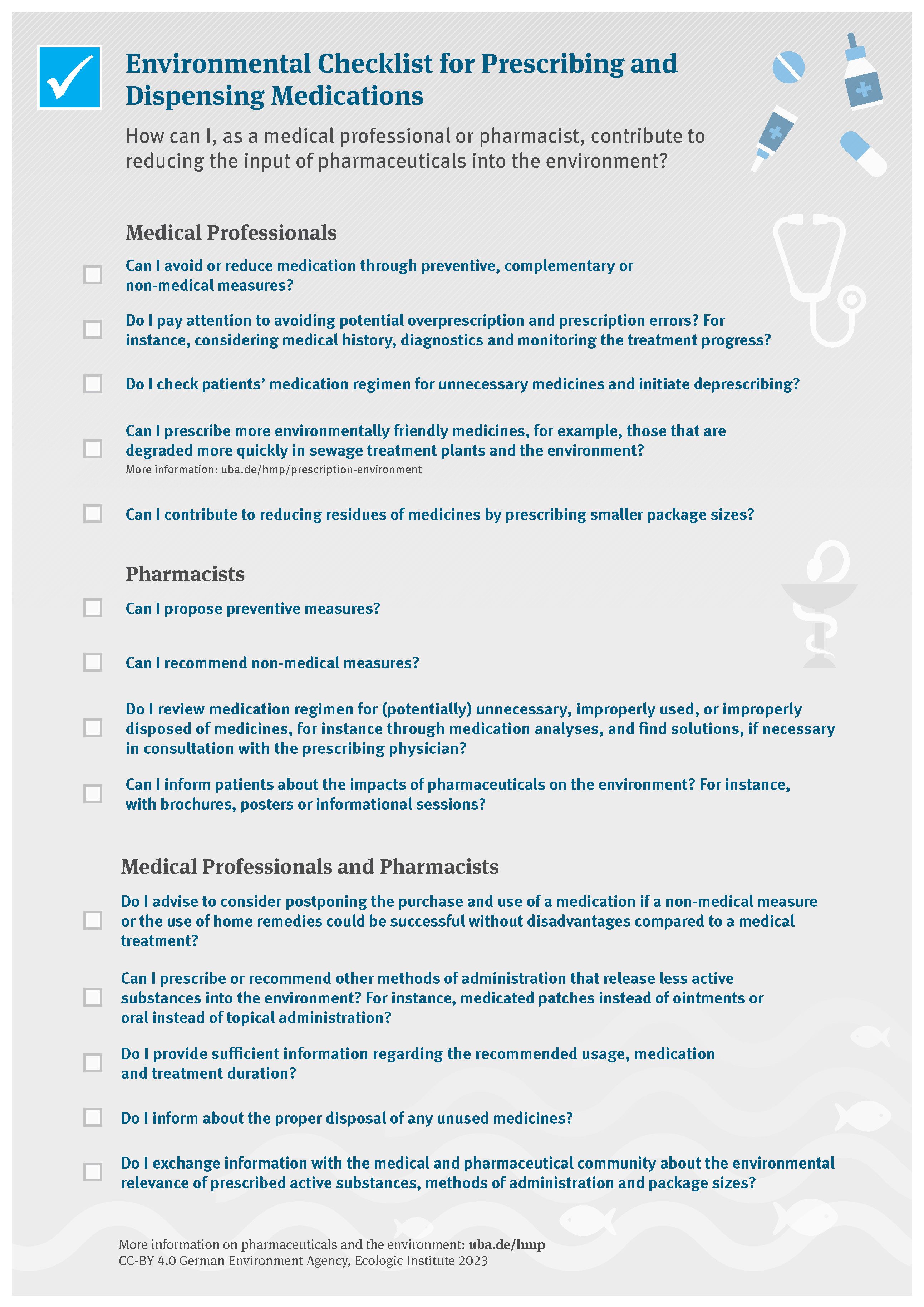
Healthcare professionals increasingly want to ensure the best medical care, but also consider the environmental impact. To provide pharmacists and healthcare professionals with quick and effective information, core elements for environmentally friendly prescribing and dispensing practices have been compiled in a checklist.
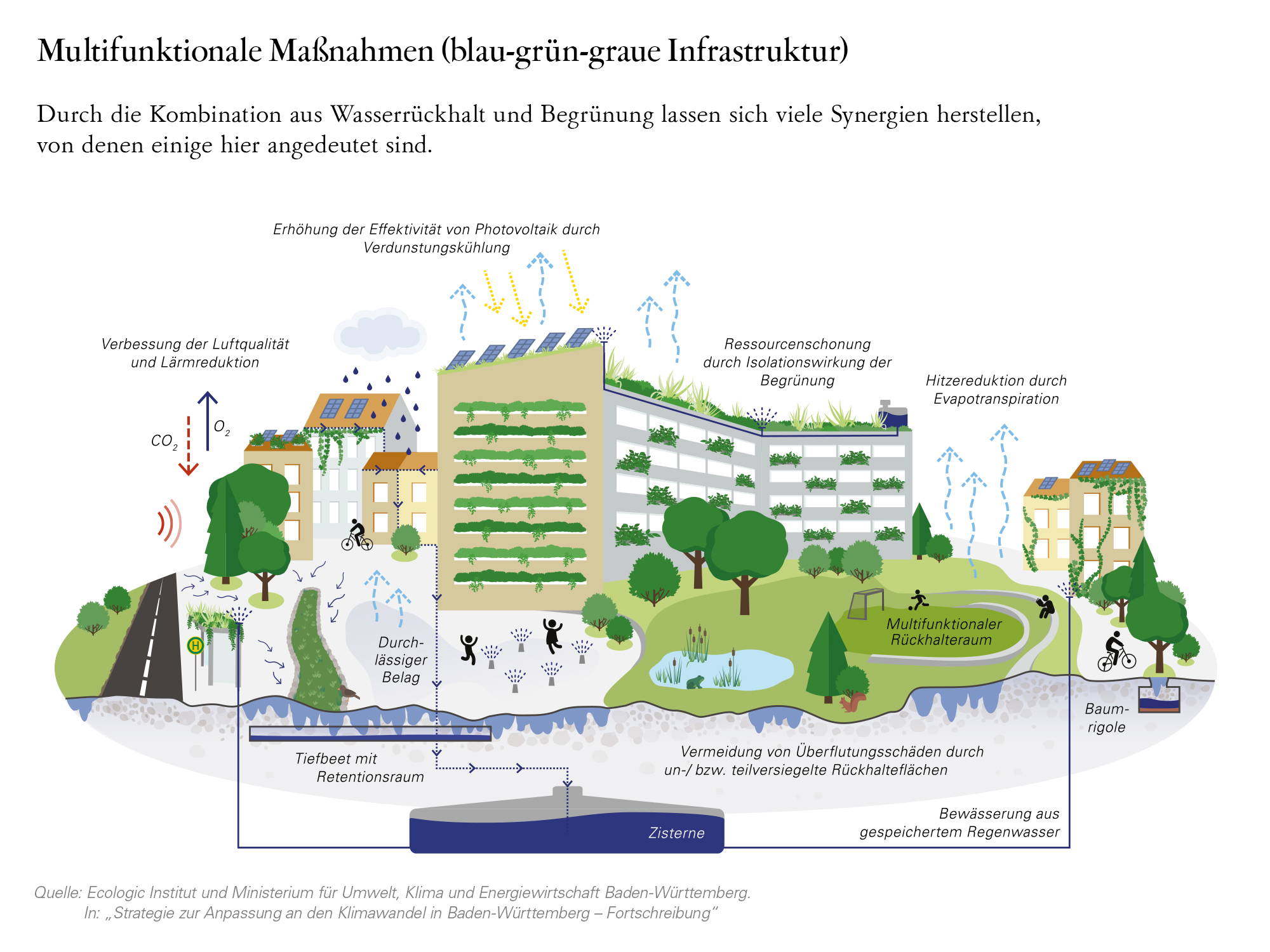
Ecologic Institute conceived and designed several infographics for the update of the Strategy for Adaptation to Climate Change in Baden-Württemberg. These visualise some of the thematised climate impacts on the various fields of action and support the understanding of the content. The infographics are designed in accordance to the project's style guidelines.
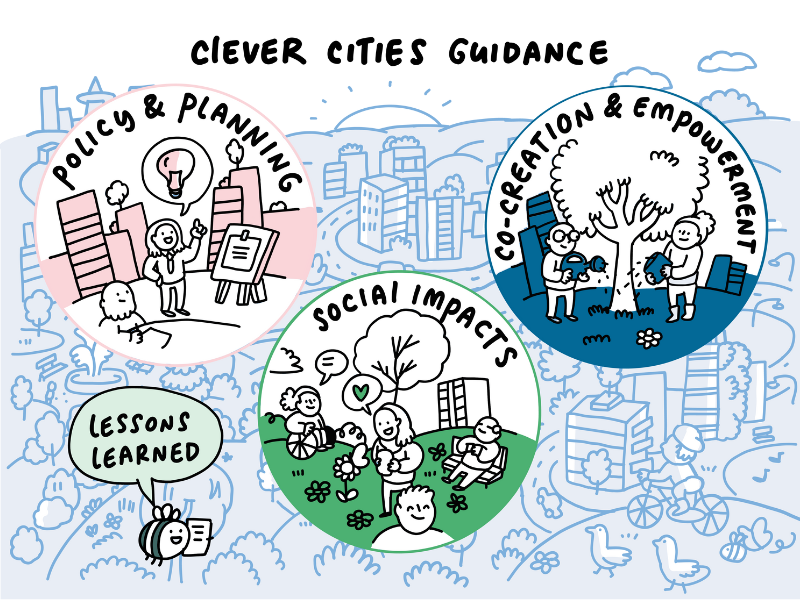
The CLEVER Cities Guidance online platform developed by Ecologic Institute features insights, tools, indicators and lessons learned about nature-based solutions (NBS) emerging out of the CLEVER Cities project and its nine partner cities. Filling a gap in available resources, the Guidance focuses on (1) policy and planning strategies, (2) how to generate and measure social impacts of NBS, and (3) approaches for co-creation and engaging stakeholders.
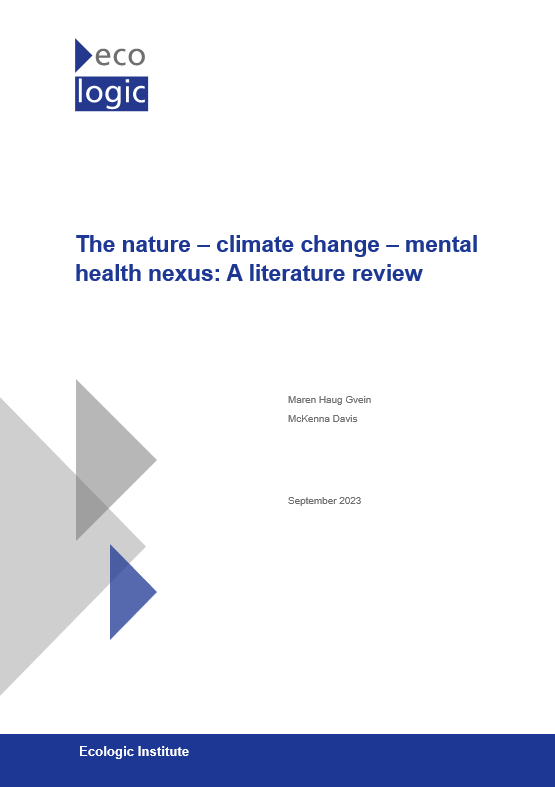
The complex interactions between nature, climate change, and mental health are being increasingly explored amid increasing environmental challenges facing society. This study explores these connections, focusing on (1) how mental health is affected by the effects of a changing climate in Europe, and (2) how green spaces and nature-based solutions can play a role in reducing and treating those negative effects. The research uncovers the transformative power of promoting a harmonious relationship with the natural world to nurture our collective ecological and social resilience.
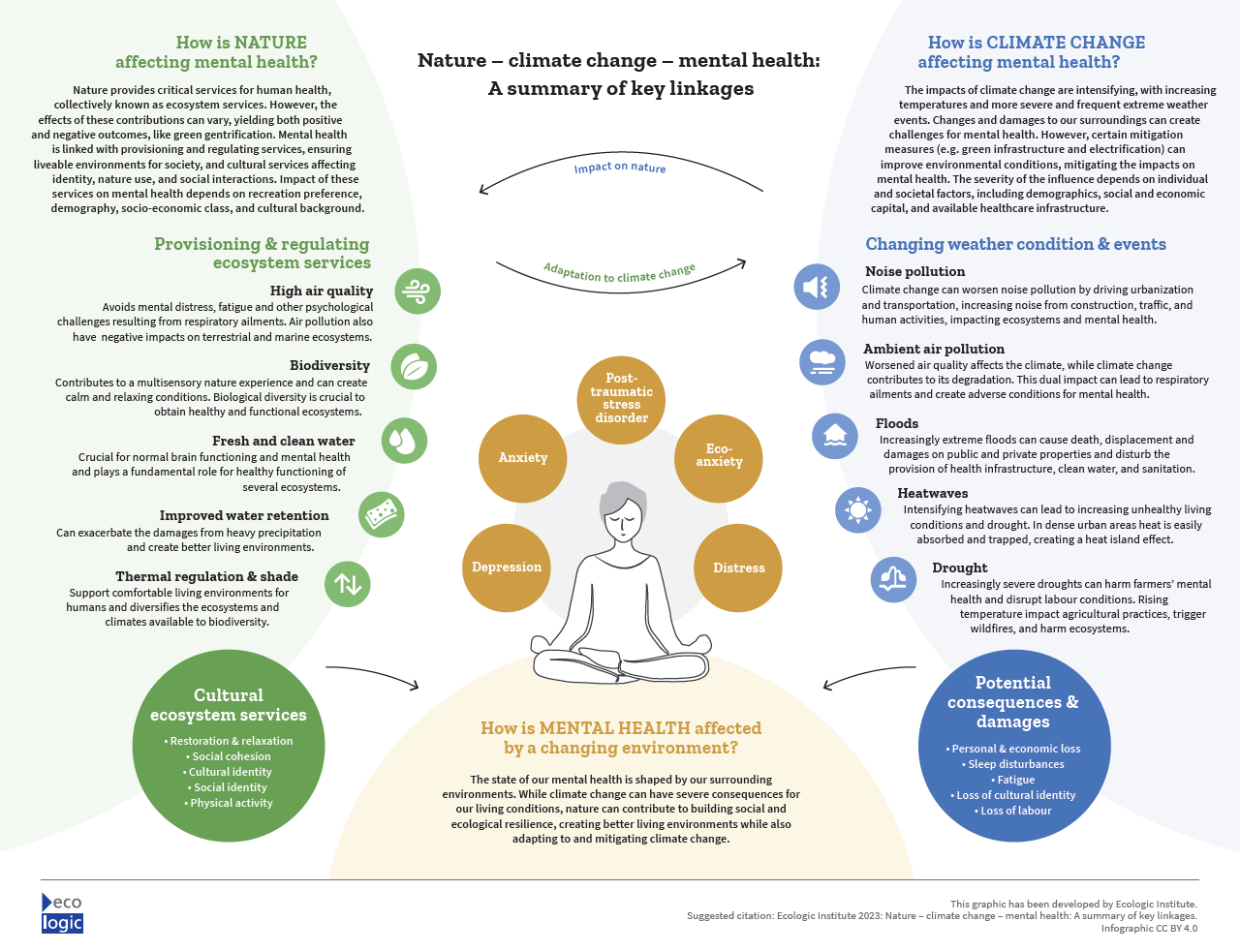
The complex interactions between nature, climate change, and mental health are being increasingly explored amid increasing environmental challenges facing society. This infographic summarizes the key findings of the report "The Nature – Climate Change – Mental Health Nexus. A literature review". It visualizes these connections, focusing on (1) how mental health is affected by the effects of a changing climate in Europe, and (2) how green spaces and nature-based solutions can play a role in reducing and treating those negative effects.
Ecologic Institute provided editorial and graphical support for the update of the adaptation strategy in Baden-Württemberg. Using graphical elements and a well-designed reader guidance, the reading orientation was improved and the visual quality of the document was increased. In addition to the graphic design, Ecologic Institute provided support for the drafting of several chapters, e.g. on climate change impacts, summarized sectoral adaptation challenges and developed an abridged version of the update of the adaptation strategy.
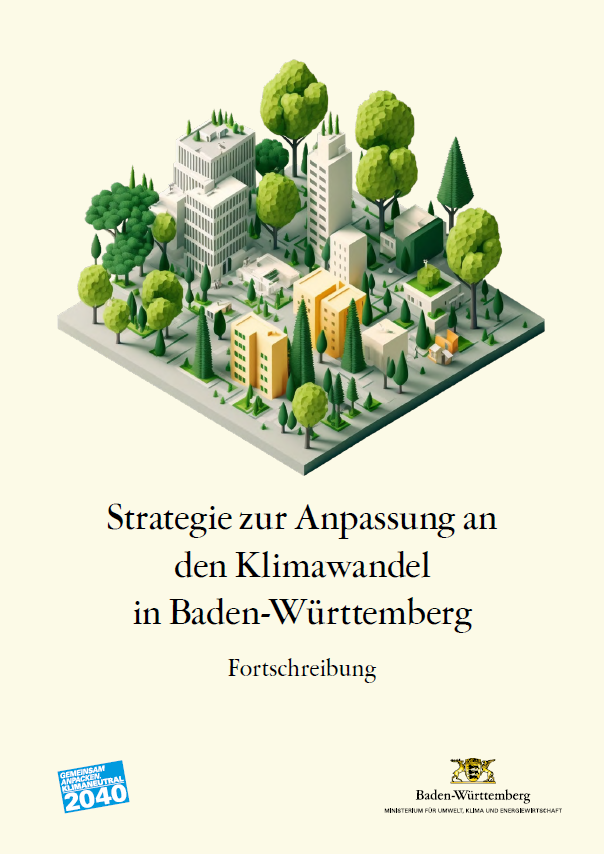
The adaptation strategy provides the framework for the adaptation activities of the state of Baden-Württemberg and serves as a basis for implementation, especially for administration, municipalities and the economy. Due to changing climatic conditions, the state government of Baden-Württemberg committed to update its adaptation strategy in 2023. This short version summarizes the contents of the adaptation strategy.
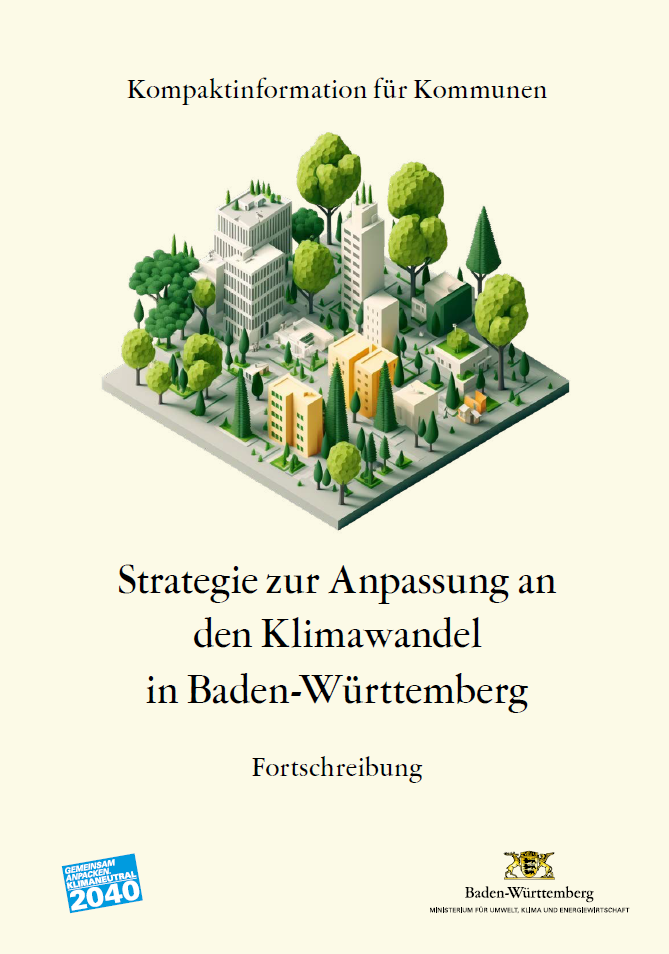
Due to changing climatic conditions, the state government of Baden-Württemberg committed to update its adaptation strategy in 2023. This compact information highlights the measures from the state strategy in which municipalities have an important role to play. It is intended to help them define and implement, or work towards implementing, the measures necessary for their local conditions and risks. It provides a compact overview for municipalities on their way to adapt to the consequences of climate change.
This report presents a work plan for incorporating the issue of pharmaceuticals in the environment into the education of the medical and pharmaceutical professions in Germany. It first presents an overview of the relevant German structures in the education and training of medical and pharmaceutical professions. In a second step, it provides concrete recommendations for the integration of the topic into teaching (studies and vocational training), continuing education and training.
Do not dispose of unused pharmaceuticals in the toilet or sink, as this is how they end up in water, soil and groundwater. This leaflet explains in various languages how to dispose of old pharmaceuticals correctly and why this is important.
In the latest "Green Deal – Big Deal?" podcast episode, the hosts Ewa Iwaszuk and Aaron Best from Ecologic Institute speak with interview guests Margherita Tolotto (Senior Policy Officer for Air and Noise at the European Environmental Bureau) and Agnieszka Warso-Buchanan (Senior Lawyer in ClientEarth). They discuss the problem of air pollution, the important role that lawsuits have played in forcing action, the current effort to bring the law in line with the science – and what citizens can do to have their voices heard in this debate.
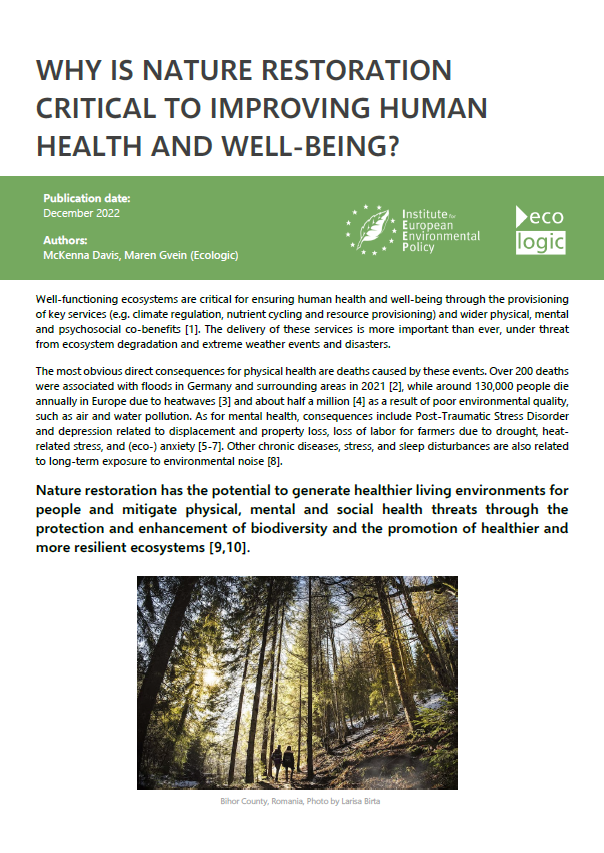
This policy brief highlights the importance of well-functioning ecosystems for ensuring human health and well-being, not least in light of climate change. Furthermore, it outlines the potential of nature restoration and specifically the law to generate healthier living environments and to mitigate diverse physical, mental and social health threats.
This paper, produced jointly by Ecologic Institute and IEEP for the European Public Health Alliance (EPHA), scopes 20 EU policy documents focused on adaptation, biodiversity, water, waste, mobility, and cross-cutting topics to analyse their treatment of health in the broader context of climate mitigation and adaptation policy. The purpose was to assess their integration of health-related concepts in order to identify gaps and opportunities, as well as provide recommendations for further advocacy for the health community.
As a last step of the project, the RECIPES team has developed a Guidance for application of the precautionary principle in the EU. The guidance advises on how to deal responsibly with uncertain risks in the development and implementation of technology in the EU. Target groups of this guidance are primarily EU policy makers, EU agencies, and EU policy support organisations and bodies that are concerned with risk regulation or the governance of science, technology and innovation. Ecologic Institute made the layout of the eBook.
Various economical methods are available for the monetary assessment of the effects of environmentally induced diseases as well as the resulting deaths. This report serves as a basis for the development of concrete monetary valuations of environmental burdens of disease, which is illustrated by three case studies.
The global COVID-19 pandemic has highlighted profound inequalities and vulnerabilities across the Global South, particularly in areas such as energy access, urban resilience, and environmental governance. Contributors to the IASS study analyzed challenges and potential pathways toward sustainable recovery, emphasizing the role of renewable energy, urban planning, and climate-smart economic strategies. The pandemic exposed systemic fragilities, demonstrating the urgent need for holistic, integrated approaches to development that address economic, environmental, and social dimensions simultaneously.
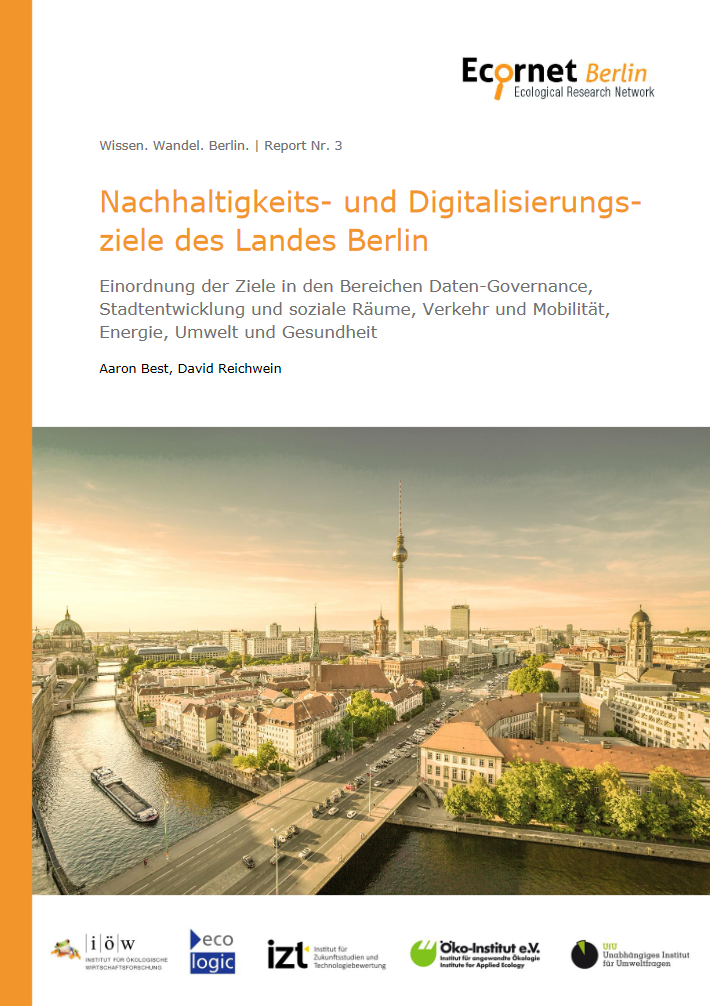
This background paper for the research project "Digitalisation – Setting the Course for a Social-Ecological Digital Transformation in Berlin" within the project "Knowledge. Change. Berlin" provides an overview of the sustainability and digitalisation goals of the state of Berlin. First, the paper outlines sustainability goals relevant for the project in the following topic areas: data governance, climate protection, transport and mobility, energy and health.
How can think tanks help pave the path to a sustainable future in light of the COVID-19 pandemic and a rapidly changing policy landscape? Dr. Camilla Bausch and R. Andreas Kraemer address this question in the chapter "Think Tanks for Future" and make recommendations on how think tanks can adapt their work to reflect the pressing concerns of the future.
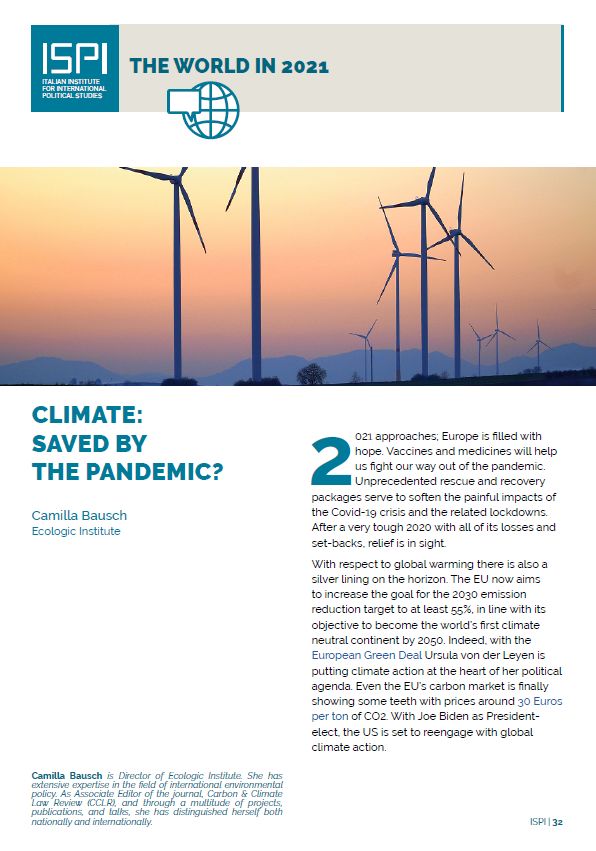
With 2020 drawing to a close, Dr. Camilla Bausch was invited to contribute to "The World in 2021". This publication is an annual end-of-year publication by ISPI, a leading foreign policy think tank in Italy, on trends, crises and 10 key "questions" that are relevant for the upcoming year.
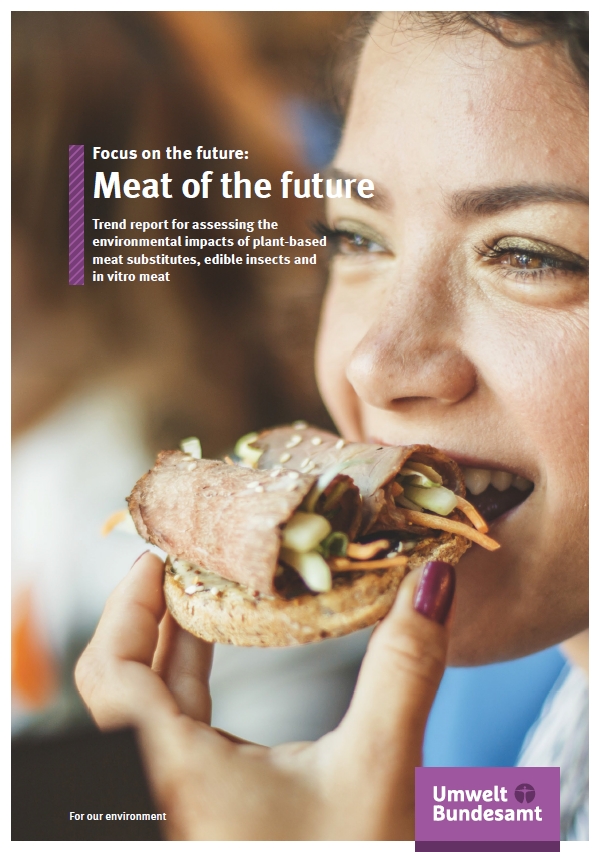
In July 2020, the Federal Environment Agency published the trend report "Meat of the Future", which analyzes the environmental impacts of plant-based meat substitutes, edible insects and in-vitro meat. Ecologic Institute developed policy options on how the market development of meat alternatives can be better aligned with the goal of sustainability.
The measures imposed by Berlin to contain the coronavirus pandemic are characterised by a pragmatic approach that poses less constraints on personal freedom than the measures adopted in other cities and countries. And yet it seems to be working. Support for small local businesses, solidarity and medical preparedness are at the heart of this approach. In this article, Doris Knoblauch from Ecologic Institute elaborates on the situation in the city of Berlin during the corona crisis.
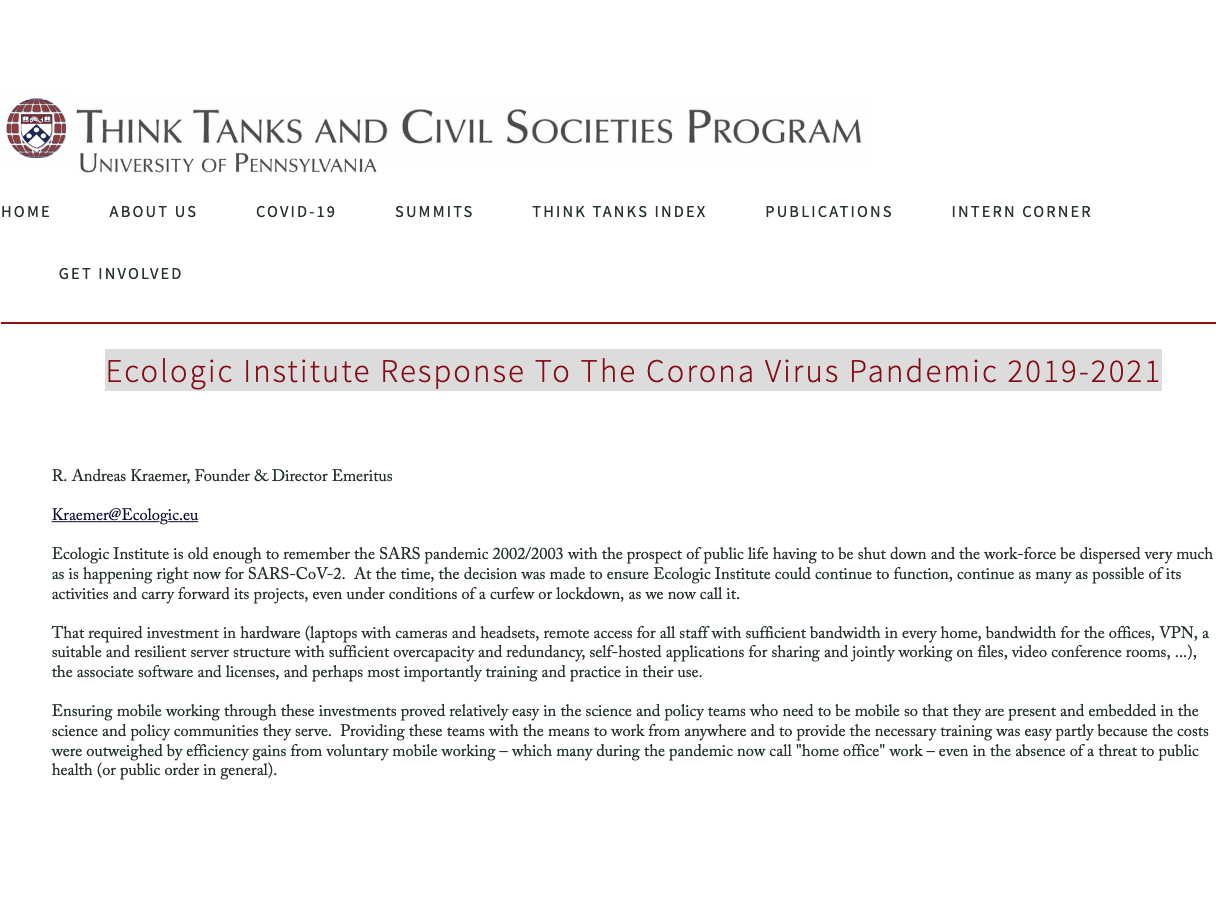
The global community of think tank leaders is coming together for assistance and learning during the corona virus pandemic. R. Andreas Kraemer, Founder of Ecologic Institute, summarizes operational experience and focuses on the changing agenda for think tanks in these times of corona. The blog entry is part of a growing collection curated by the Think Tanks and Civil Societies Program (TTCSP) of the University of Pennsylvania.
In this short video, Joe Rini, Research Associate at the IASS Potsdam coordinator of the analysis of the eight case studies, explains how the principle is applied in different contexts and thematic areas.