Ecologic Institute has launched its first crowdfunding campaign. We aim to bring a young, aspiring scientist to work with us in Berlin on the pressing issues of climate & health. We would be delighted if you were to support our crowdfunding campaign on the occasion of our 25th anniversary. The Stiftung Mercator has generously offered to match every Euro you donate – so each Euro counts double.
The 2021 annual conference of German Association of Dietitians has put a focus on sustainability and its relevance for the work for dietitians as well as policy makers. Stephanie Wunder gave a impulse presentation on this topic entitled "Effectively using synergies between health-promoting and environmentally friendly nutrition".
The six city partners of the INTERLACE project, Chemnitz in Germany, Corredor Biológico Interurbano Río María Aguilar-San José in Costa Rica, Envigado in Colombia, Granollers in Spain, Metropolia Krakowska in Poland and Portoviejo in Ecuador officially kicked-off the project's activities in their cities in a series of events conducted across March 2021.
The objective of transformative research is to find out, together with actors from the corporate sector, politics and civil society, how our economic and social system can be made more sustainable, and to jointly test possible solutions. Transformative research is thus also transdisciplinary - it involves actors beyond academia as equal partners. This kind of research involves certain methodological challenges and questions; some of these were discussed at the tF Symposium 2021: From Experiment to Mainstream. Martin Hirschnitz-Garbers and Christiane Gerstetter, both Senior Fellows at the Ecologic Institute, contributed to the online symposium, which was held in German language.
As of March 2021 the EU Commission has set up an expert group to advise on a legislative framework for sustainable food systems. Stephanie Wunder, coordinator food systems at the Ecologic Institute has been appointed as a member of the expert group.
The project "Dialogue Forum Private Households – Reducing Food Waste", led by Ecologic Institute, calls on institutions, initiatives and companies that are already working on approaches to reduce food waste and sustainable nutrition to cooperate. Interested parties are asked to contact the project team via a short online questionnaire by 12 April 2021.
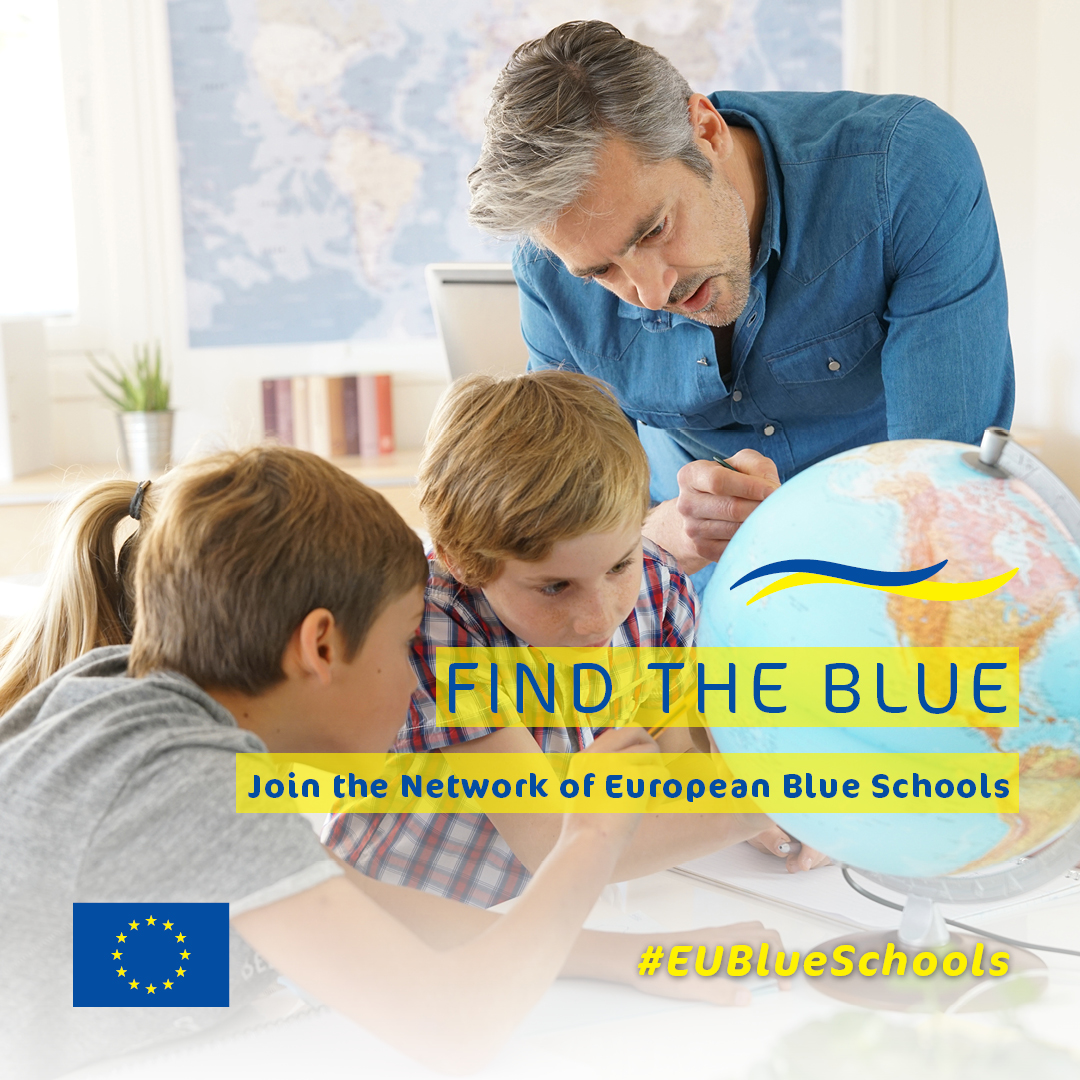
The Network of European Blue Schools initiates the Find the Blue challenge and invites schools and teachers to bring the ocean into the classroom.
By taking up the Find the Blue challenge, teachers and students will improve their understanding of the ocean, develop a sense of responsibility for our ocean (so-called Ocean Literacy) and become more active and responsible European and global citizens.
In March 2021, two new handbooks on Evidence‐based Improvements in the Birds and Habitats Directives Implementation (E-BIND) are being released. They have been the achievements of a systematic review of the Birds and Habitats Directives Implementation. The core objective of the E-Bind handbook(s) are to advise the Commission, Member State authorities, decision makers, spatial planners, conservationists and NGOs in more effective implementation of the Nature Directives.
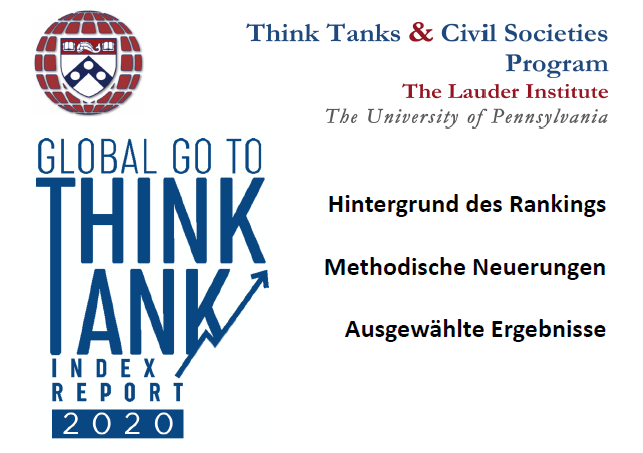
In light of the global challenges posed by 2020, the launch of the 2020 Go To Think Tank Ranking Index asked the question "why do think tanks & policy advice matter in times of crisis". The Berlin Launch event, hosted by Ecologic Institute, the Friedrich Ebert Foundation and the Konrad Adenauer Foundation, provided space for a lively discussion about the role and placement of think tanks when faced with unprecedented global crises. The 2020 Go To Think Tank Ranking Index is compiled and published annually by the University of Pennsylvania’s Think Tank and Civil Societies program (TTCSP) with launch events in over 25 different countries.
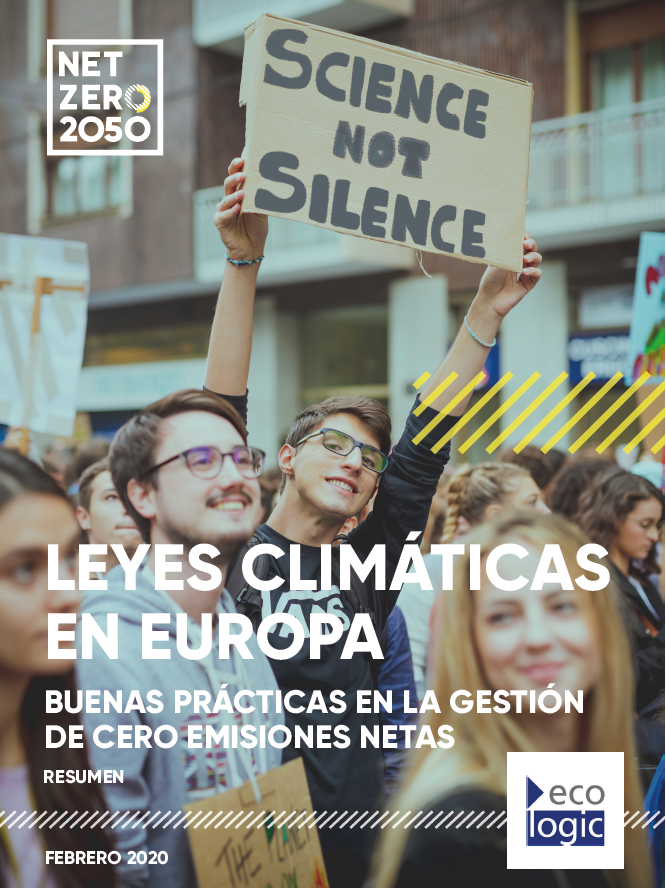
Governments around the world are considering the introduction of framework laws to strengthen their climate policy. Good practice examples can be found in the experience of the growing number of countries that have already put such legislation in place – and now you can read about them in Spanish, Italian, Greek and Latvian. The summary of Ecologic Institute's 2020 report on climate laws in Europe is now available in multiple languages for use by a wide audience of interested officials and stakeholders.
Doris Knoblauch gave a presentation on plastic waste at the Freudberg School in Berlin on 9 December 2020. The lecture took place as part of the "Plastic Pirates" project.
The restrictions associated with the Corona pandemic have suddenly changed the behavior of traffic participants. As a result, significant numbers of people have taken to cycling and walking. Public transport, on the other hand, is in crisis. The need for social distance and hygiene makes collective means of transportation unappealing, and the demand for car-sharing services has dropped significantly. At the same time, the private car is experiencing a renaissance.
In the Europe-wide FIThydro project, Ecologic Institute worked with research and industry partners to study existing hydroelectric power plants. Together the project partners developed new assessment methods and technologies such as a fish population hazard index, simulations for fish migration and an open-access decision support tool for hydropower planning. The goal: making hydropower more fish-friendly and environmentally sustainable. All project results are made available online.