The third TropicalAdapt workshop, dedicated to scaling up ecosystem-based adaptation (EbA), will take place virtually on 1 and 2 July 2026. Bringing together experts from policy, science, and practice, the workshop will explore how EbA can move beyond local pilot initiatives towards broader, sustained impact in sub- and tropical coastal regions.
This paper argues that there is no plausible basis for the introduction of a “grace period” in respect of infringements of Article 27 of the EU Methane Emissions Regulation (EUMR), as proposed in a recently leaked draft European Commission Recommendation.
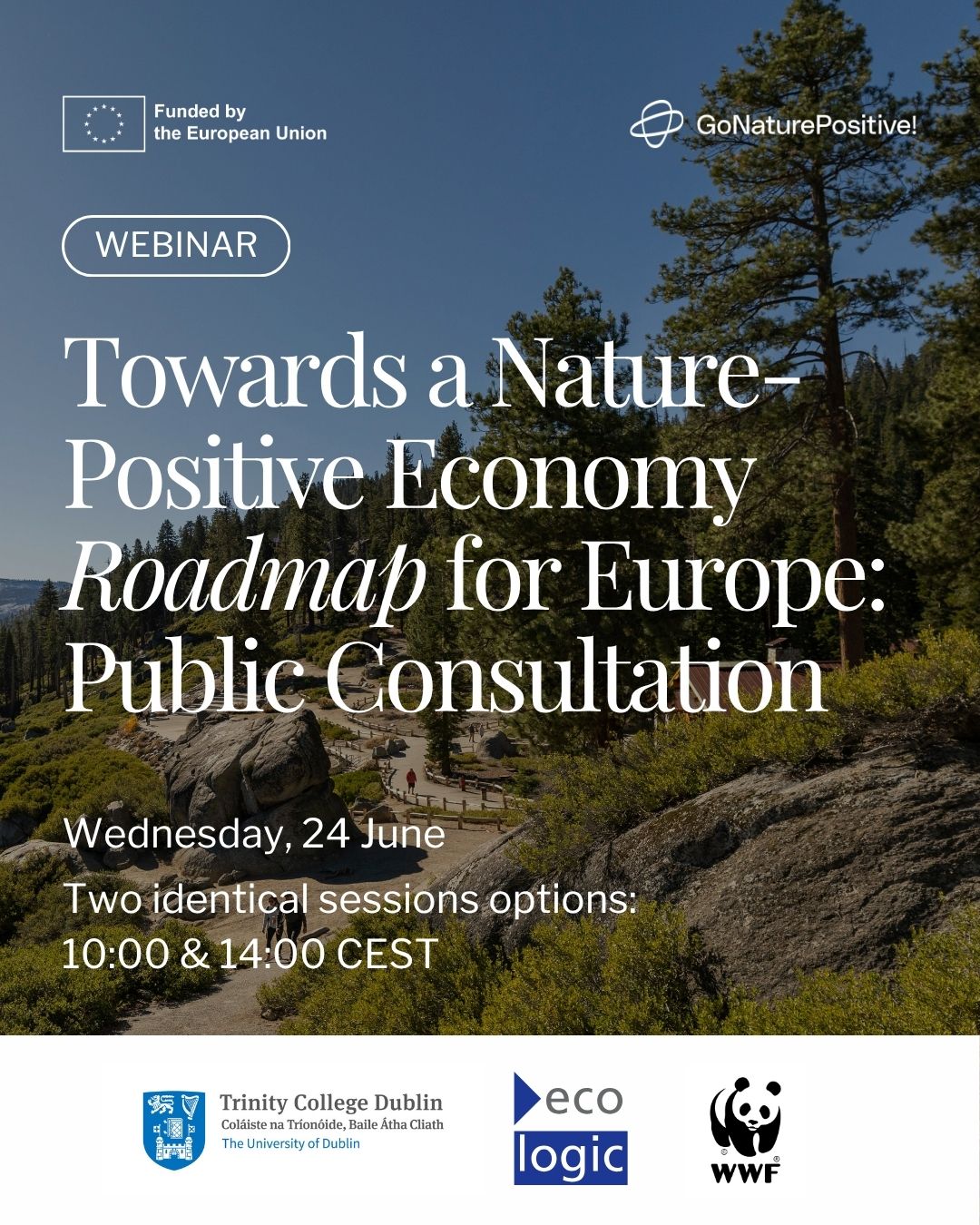
On 10 June 2026, the Ecologic Institute will contribute to the Biodiversa+ workshop “Toward Nature-Positive Finance: Scientific Foundations for Action”, bringing scientific perspectives into the evolving field of biodiversity finance. The invitation-only event focuses on strengthening the evidence base and identifying action points to align financial flows with biodiversity objectives and transition towards nature-positive finance. Participants include central banks, financial institutions, investors, experts, European Commission representatives, and business coalitions. A dedicated session on the EU Nature Restoration Regulation (NRR) is co-organised by Teresa Spantzel and Dr. Benjamin Kupilas from Ecologic Institut.
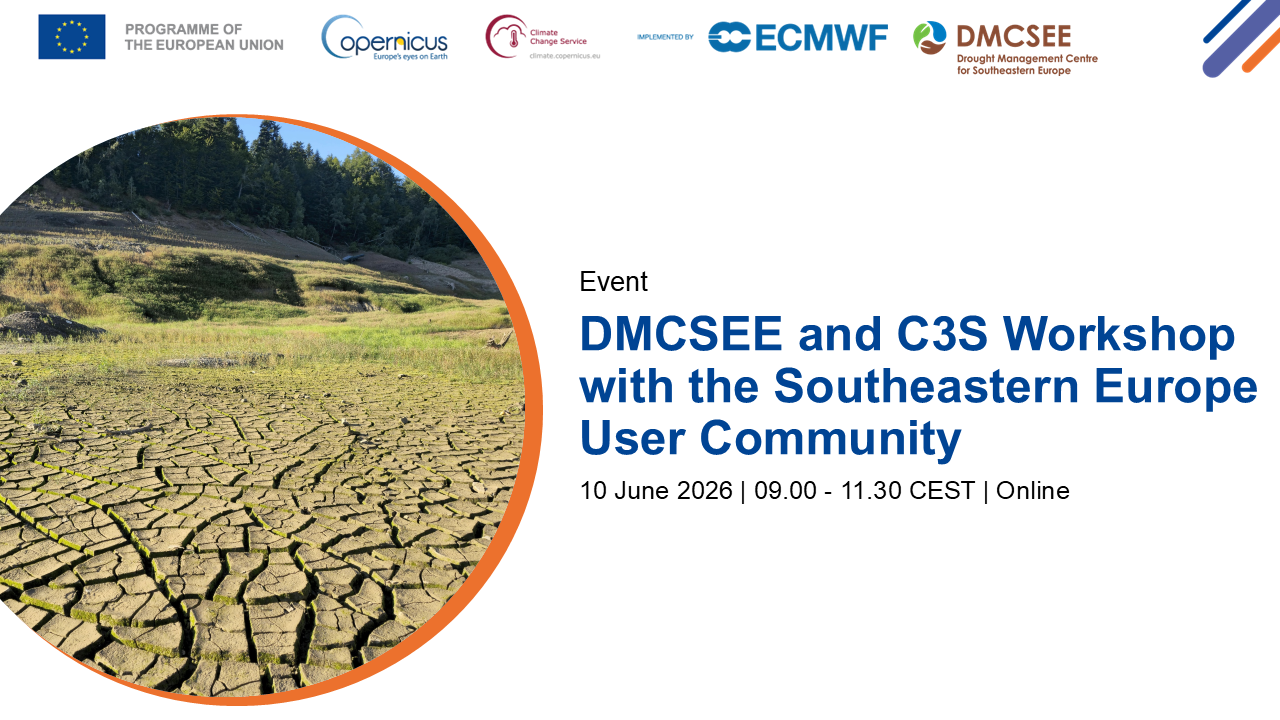
The Copernicus Climate Change Service (C3S), with the support of the Drought Management Centre for Southeastern Europe (DMCSEE), is organising an online workshop on the use of climate data and services for drought monitoring in Southeastern Europe.
Researchers at Ecologic Institute have developed a new tool to help governments to produce socially just climate adaptation strategies. The Just2Adapt tool allows the user to analyse the justice dimensions of Heat Action Plans at the strategic level as well as at the level of individual measures. It is important that heat adaptation strategies integrate social justice considerations because of the unequal way in which the heat-health effects of climate change are distributed across the population.
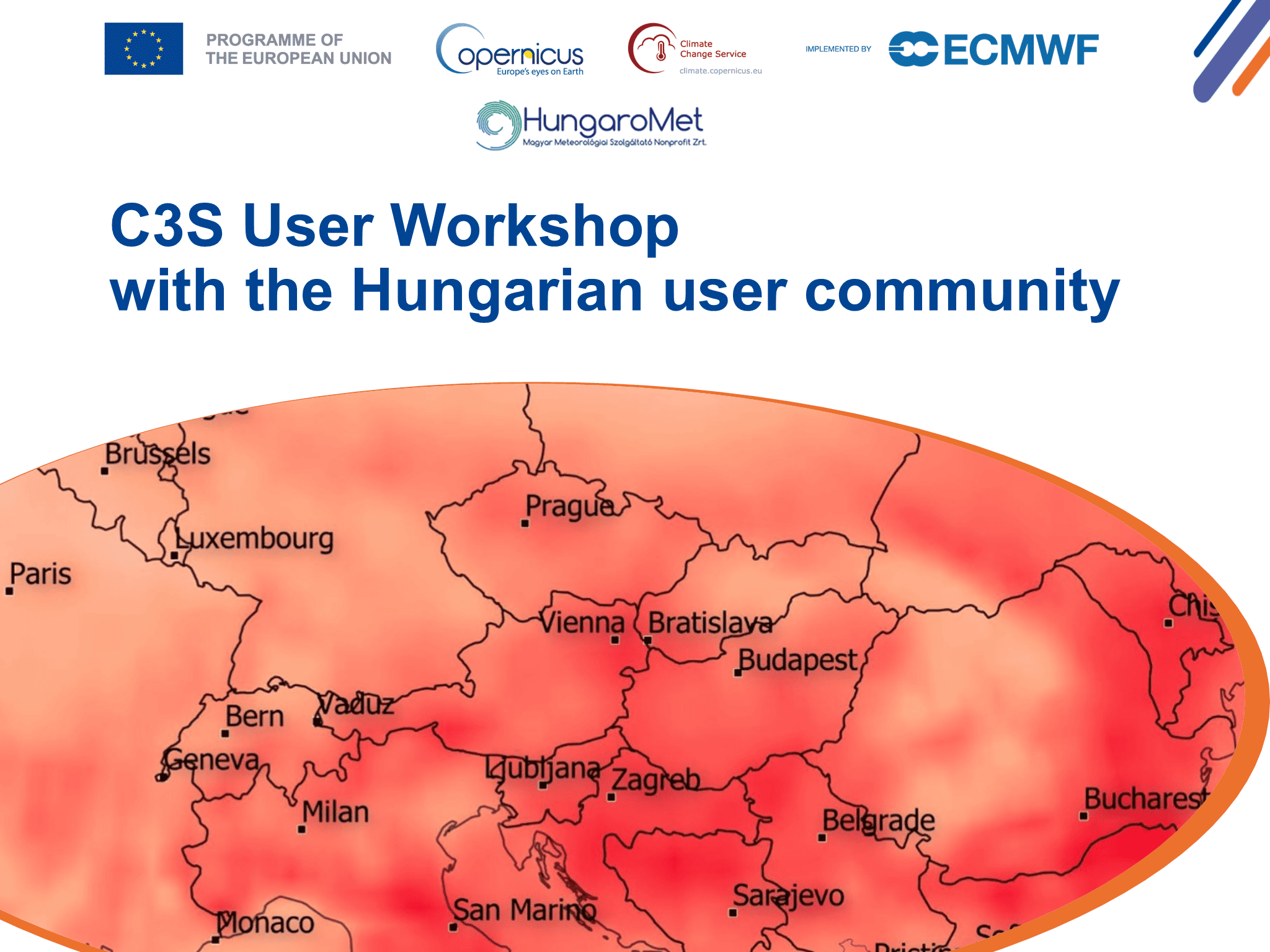
The Copernicus Climate Change Service (C3S), in cooperation with the Hungarian Meteorological Service (HungaroMet), is organising an in-person C3S user workshop with a focus on Hungary. The event is aimed at current and potential future users of C3S data and products in Hungary, representing academia, government, industry, the private sector and civil society.
A new Roundtable published by The Nature of Cities asks a central question for the planning and implementation of nature-based solutions: whose voices shape decisions, and who remains unheard? Curated by McKenna Davis of Ecologic Institute and Natalia Andrea Burgos Cuevas of the IUCN, the Roundtable brings together 29 contributors from around the world to reflect on what meaningful inclusion, co-creation and environmental justice can look like in practice.
To assess current knowledge and identify future research priorities, approximately 40 experts from academia, policy institutions, and the science–policy interface convened in Berlin in September 2025 for an international workshop on the Arctic land–ocean carbon cycle. The outcomes of these discussions have now been published in a meeting summary co-authored by Arne Riedel Escobar of Ecologic Institute, providing a roadmap for future research and policy engagement.
This policy brief, developed within the Horizon Europe project CAFAMORE, examines the proposed EU Buyers’ Club for carbon farming. The brief sets out how the Club should be designed to support early demand for CRCF carbon farming certificates while ensuring environmental integrity and that it benefits farmers.
This report identifies and characterises systemic environmental risks, explores how they interact across societal systems, and analyses governance approaches that can respond to them. It introduces risk constellations as a practical way to discuss complex risk interactions. This approach allows experts and policymakers to map drivers, magnifiers and impacts at a manageable scale while still keeping sight of the wider system in which risks unfold.
The European Urban Nature Networking Workshop took place on 5-6 May 2026 in Bonn (Germany). The highly interactive and participant-driven format fostered peer learning around shared challenges and practical solutions for urban nature planning, implementation, governance, financing, monitoring, and capacity building across governance levels.
ECNO’s 2026 update provides the first comprehensive assessment of all 27 final National Energy and Climate Plans (NECPs). It evaluates whether Member States’ contributions and policy frameworks are sufficient to meet the EU’s 2030 climate and energy targets. The results show a clearer and more complete picture than previous assessments. However, the overall conclusion remains unchanged: despite some progress, the EU is still not fully on track to meet its 2030 targets.
On 29 April 2026, the ACCREU project hosted a stakeholder workshop in Brussels to share findings from nearly three years of collaborative research. The event was curated by the ACCREU team at Ecologic Institute and facilitated by Senior Fellow Ewa Iwaszuk. The workshop convened a selected group of representatives from industry, investment, policy and civil society, many of whom have been involved in the project from the start. Participants evaluated the new research on sectoral and macro-economic climate impacts and the economic viability of adaptation strategies.
On 28 April 2026, the ACCREU project hosted a one-day reflexive forum in Brussels. The event brought together high-level experts from various academic disciplines and policy-making to discuss a critical knowledge gap: the economic foundations of transformational climate adaptation.