How do electricity supply, infrastructure, industry and a fair distribution of costs need to work together for the energy transition to succeed? The final report, “The Grand Challenges of the Energy Transition”, brings together findings from six years of research under the Ariadne Kopernikus project.
This guide shows how municipalities can systematically identify, assess and compare the costs and NbS. It takes users through a stepwise process on how to go about assessing costs and benefits. Documentation tables and guiding questions help apply each step to a specific project.
This ACCREU policy brief sets out a research agenda for the economics of transformational adaptation, identifying where established approaches can contribute and where new or extended methods are needed.
How should economics assess adaptation when responding to climate change, which may require fundamental changes to economies and societies rather than incremental adjustments? This ACCREU technical report examines this emerging research field and identifies eight priorities for developing the economics of transformational adaptation.
The paper assesses four policy options for integrating Article 6 credits into the EU ETS through a central intermediary rather than allowing companies to purchase credits directly. It argues that this indirect approach would provide greater oversight of credit quality and supply, helping to preserve the EU ETS's role in driving domestic emissions reductions while offering limited flexibility where appropriate.
Researchers at Ecologic Institute have developed a new tool to help governments to produce socially just climate adaptation strategies. The Just2Adapt tool allows the user to analyse the justice dimensions of Heat Action Plans at the strategic level as well as at the level of individual measures. It is important that heat adaptation strategies integrate social justice considerations because of the unequal way in which the heat-health effects of climate change are distributed across the population.
As the European Union considers to reform its Emissions Trading System (EU ETS) by integrating permanent carbon dioxide removals (CDR), this report examines safeguards to support the gradual scale-up of permanent removals whilst keeping their quantity under control to manage risks and ensure incentives for reducing emissions remain
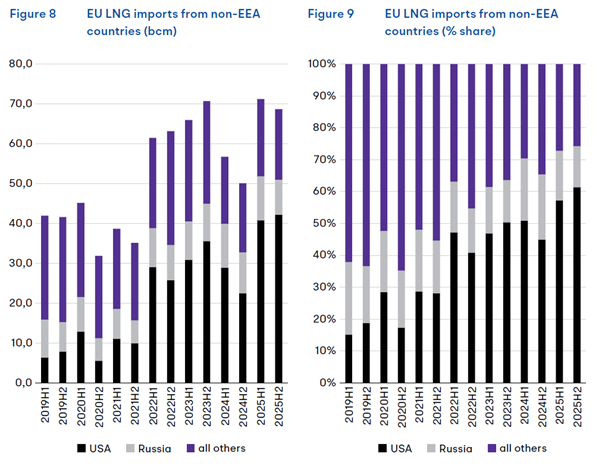
Based on a novel analysis covering the entire European Economic Area (EEA, notably including Norway), this policy brief shows that US gas imports into the EEA sharply surged in 2025. They now account for almost 40% of total EEA gas imports and nearly 60% of LNG imports. This trend exposes Europe to heightened geopolitical pressure, price volatility and the risk of stranded assets.
The aim of the analysis is to assess stormwater management measures not only in terms of their hydraulic performance and costs but also to systematically capture their additional ecological, social and economic benefits.
This report presents a strategic, evidence-based approach to support the upscaling of freshwater restoration and implementation of Nature-based Solutions across Europe. Central to the approach is the MERLIN Upscaling Workflow, a flexible decision-support tool that uses Europe-wide datasets to identify high-impact restoration areas.
This report contributes to a better understanding of the economic implications of climate change adaptation across the European Union. Its central objective is to analyse three key dimensions: the costs of adapting to climate change, the costs of inaction, and current levels of adaptation funding. The analysis focuses on three climate-sensitive sectors of strategic importance for the EU economy and society: transport, energy, and agriculture.
The triple planetary crisis is a systemic challenge, not three separate issues: climate change, biodiversity loss, and pollution reinforce one another through shared drivers and feedback, threatening planetary and human well-being. It is driven by fossil fuel dependence, unsustainable production and consumption, overexploitation of land and resources, and structural inequalities. The analysis concludes that the triple crisis can only be effectively addressed through systemic, cross-sectoral, and justice-oriented approaches. By linking resource governance, NbS, and transformative change, this report highlights how today’s triple crisis can be turned into an opportunity to regenerate ecosystems, reduce inequalities, and build resilient societies within planetary boundaries.
This fact sheet summarizes the information contained in the publication Burgos Cuevas et al. (2025): Moving from interconnected crises to systemic solutions. Resource efficiency, nature-based solutions, and systemic transformation as responses to the complexity of the triple planetary crisis. Interim report, Climate Change 83/2025. German Environment Agency: Dessau-Roßlau. https://doi.org/10.60810/openumwelt-8108.
Nature-based solutions are central to climate change adaptation. Urban green spaces and waterbodies can reduce heat in cities, for example. How can local authorities implement such measures despite limited resources? This paper presents financing options based on practical examples – from crowdfunding to green bonds – and assesses which ones are suitable and when. It also provides recommendations on how the federal and state governments can provide support.
The present report discusses criteria that could reasonably be applied to prioritise downstream products for inclusion in CBAM. It examines the significance and suitability of different criteria, as well as the availability and reliability of data to operationalise these criteria.
This study investigates instruments that could generate revenue for international climate finance. Through a mixed-methods approach, including desk research and interviews with 23 experts from diverse professional backgrounds, the study evaluates four proposed levies: a Fossil Fuel Extraction Levy, a Levy on Windfall Fossil Fuel Profits, a Levy on Plastic Polymers, and a Levy on Jet Fuel.
While cutting emissions remains the primary objective of EU climate policy, achieving climate neutrality and eventually net-negative emissions will also require large-scale deployment of carbon dioxide removal (CDR) solutions. This report provides an overview of the current state and future potential of permanent CDR in Europe.
This report explores options for an EU purchasing programme for permanent carbon removals to address a critical gap in climate change mitigation. While emissions reductions remain the primary objective of EU climate policy, achieving climate neutrality and eventually net-negative emissions necessitates the large-scale deployment of carbon removals. This requires the swift development and deployment of cost-effective and socially beneficial carbon removal technologies.
This report explores the design and implications of an international oil extraction levy as a mechanism to mobilize new sources of climate finance. The assessed levy places a price on the embedded CO₂ in extracted crude oil, increasing production costs and likely raising oil prices for final consumers. By internalising part of the climate costs of fossil fuels, the mechanism aligns with the polluter pays principle.
This report published under the EU-funded GoNaturePositive! project offers a comprehensive baseline assessment to support the transition toward a nature-positive economy. The report provides an in-depth analysis of EU policy instruments and co-operative initiatives, identifying their alignment with nature positive principles and opportunities to reduce environmental harm, restore ecosystems, and foster systemic change.
This brief explores how transitioning to a Nature-Positive Economy requires transforming tourism from a driver of environmental degradation into a force for ecosystem restoration. It was developed under the EU research project GoNaturePositive!
This sectoral brief examines how EU policy and practice can steer forestry toward a nature-positive economy. It was developed under the EU research project GoNaturePositive!
This brief examines how policymakers, industry and practitioners can steer the built environment toward a nature-positive future by integrating ecological resilience and quality of life with economic development. It was developed under the EU research project GoNaturePositive!
This document serves as an informational pre-read for the workshop Perspectives on a Purchasing Programme for CRCF Permanent Carbon Removal Credits, that took place on 21 May 2025 in Brussels, hosted by DG CLIMA.
This report presents the conclusions of the study titled "Macro-economic / Top-down Assessment of Climate Impacts on the EU Economy." Commissioned to assist the European Commission’s Directorate-General for Climate Action (DG CLIMA), the study explores how climate change-induced hazards may influence the EU's socio-economic landscape. Its central aim is to deliver both qualitative and quantitative perspectives on the broader macro-economic effects of significant climate hazards. It also investigates how these climate-related shocks ripple through different sectors of the economy. By compiling and analysing relevant data, the study provides a knowledge base to help the European Commission assess how such impacts could potentially challenge the EU’s ability to meet its climate mitigation objectives.
The analysis by Ariadne project partners examines Germany's climate foreign policy during the current legislative period. Beyond the international context, they also consider the organizational structure within the German government and the responsible ministries. The researchers conclude that Germany has been able to set the pace for international climate policy by transferring the responsibility for international climate policy to the Foreign Office and creating the role of Special Envoy for International Climate Policy. In contrast, the record of Germany's engagement in bilateral and plurilateral formats has yielded mixed results.
This document assesses the just transition aspects of Germany's draft updated National Energy and Climate Plan (NECP). Specifically, it focuses on how well the plan addresses the territorial and distributional challenges of transitioning to climate neutrality.
In this article, the authors, including Anthony Cox of Ecologic Institute, highlight there is little appetite among WTO members for modernizing multilateral subsidy rules at a time when many countries are introducing new forms of support that could potentially exacerbate existing policy disincentives for globally sustainable economic and environmental outcomes.
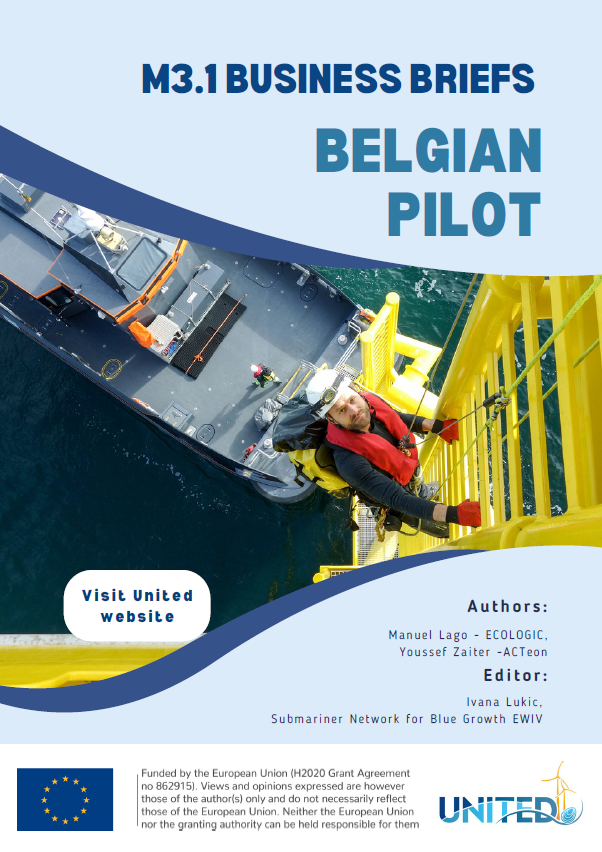
This UNITED project business brief examines the legal and environmental aspects of a Belgian project using offshore wind farms in the North Sea for the cultivation of flat oysters and seaweed. Particular attention is paid to environmental benefits, such as improved water quality and biodiversity, as well as potential challenges, including permitting procedures.
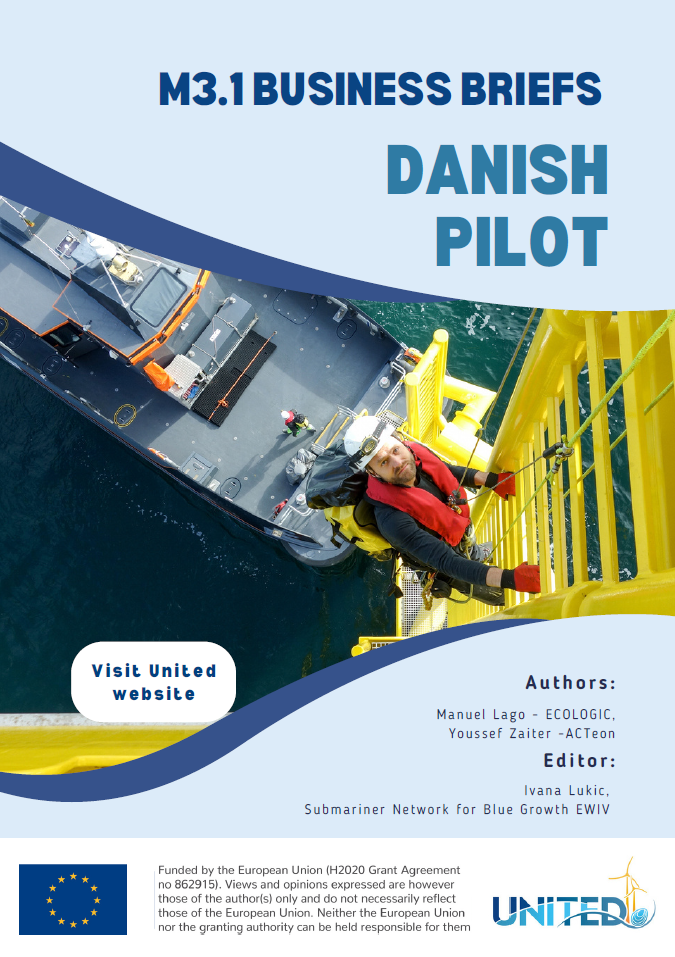
This Business Brief of the UNITED project examines the legal and environmental aspects of a project that successfully combines offshore wind energy production with innovative tourism activities.
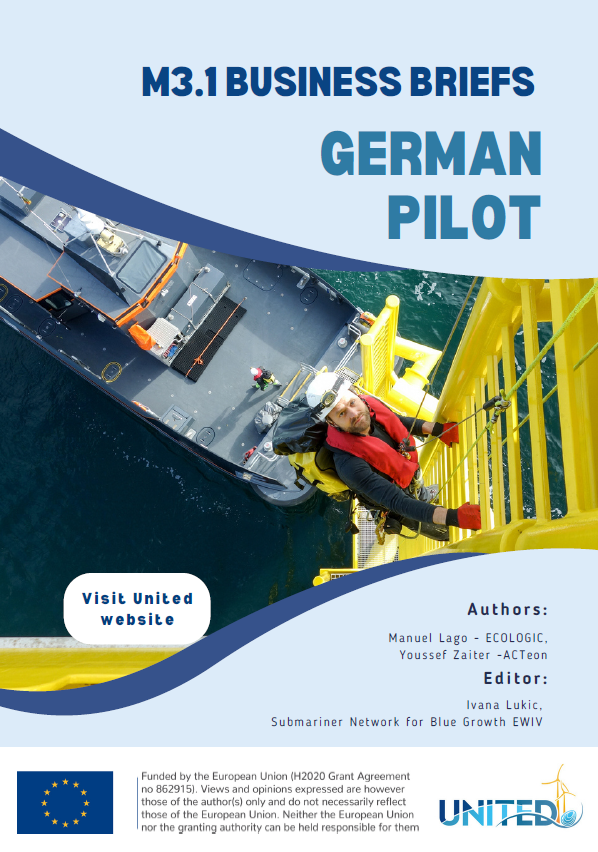
This UNITED project business brief discusses the legal framework and environmental impacts of a project in the German North Sea that combines offshore wind energy and aquaculture, including the laws and regulations that apply to offshore installations in the German Exclusive Economic Zone (EEZ).
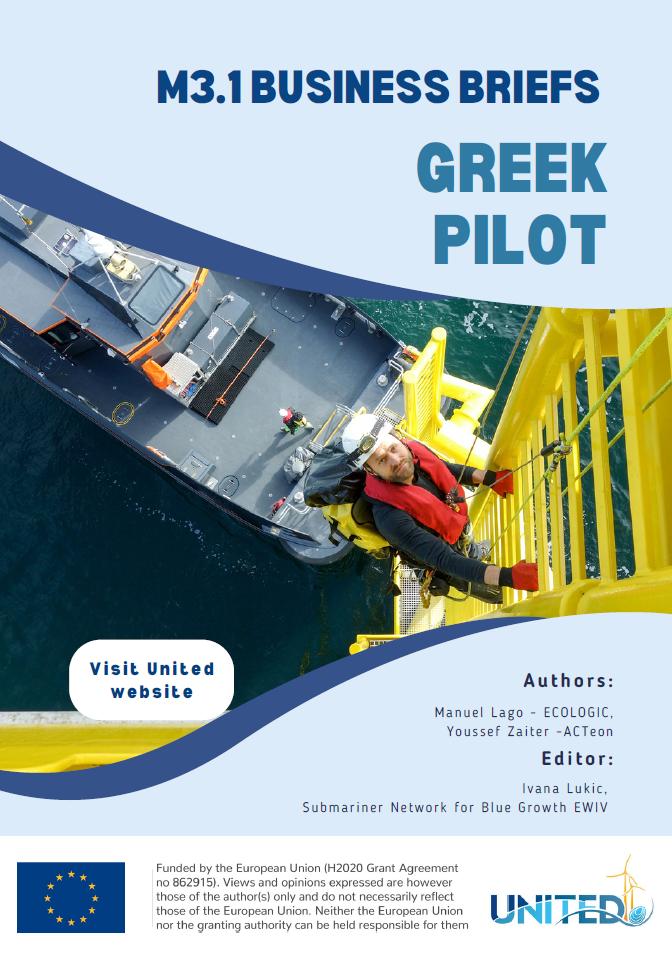
This UNITED project business brief discusses the legal framework and environmental implications of a project in the Greek Aegean combining aquaculture and tourism, including laws and regulations, particularly in relation to marine conservation, permitting and marine spatial planning.
How can companies and societies effectively design the shift towards greater sustainability? This policy brief highlights the importance of sustainable production methods, investments, and nature-positive supply chains for the restoration of ecosystems and outlines action approaches for a sustainable future.
In an increasingly interlinked and globalized world, indigenous peoples and local communities are essential for the preservation of their rights, cultures and access to land and resources. What role do they play in the dialog around environmental protection and social justice? This policy paper sheds light on the challenges and opportunities for indigenous peoples and local communities and explores how their voices can be heard and respected in international forums.
As competition for, and interest in, use of ocean space increases, a need for management arises to optimize activity in marine areas. This policy brief provides a comprehensive consideration of the economic efficiency of marine multi-use (MU) by weighing the pros and cons of individual use options against potential MU combinations.
Households across Germany felt the weight of 2022's energy crisis, grappling with a dramatic increase in energy prices. Overall energy costs in Germany surged by 31% in 2022 compared to the previous year. To combat the adverse impacts of the 2022 energy crisis, Germany passed three major relief packages in 2022. This country briefing paper describes Germany’s policy response to the energy crisis of 2022 and provides a microsimulation-based summary of the distributional effects of energy price shocks on German households.