Ecologic Institute
Plastic Pirates – 10th Anniversary
The Plastic Pirates are celebrating their 10th anniversary – new campaign periods for 2026/27
- News
- Date
-
- Location
- Berlin, Germany
In 2026, the citizen science project “Plastic Pirates” celebrates its 10th anniversary. Since 2016, about 24,000 young people, together with teachers and youth group leaders, have collected valuable data on plastic pollution in German waters as part of this citizen science initiative. In doing so, they are making an important contribution to environmental research. To mark the anniversary, two new campaign periods will begin in autumn 2026 and spring 2027, inviting young people once again to take part in the research.
From 1 September to 30 November 2026, samples can be taken from rivers, coastlines and islands across the country. From 1 May to 30 June 2027, data will be collected specifically along coastal regions and the Elbe River system.
The Plastic Pirates is aimed at school classes, school clubs and out-of-school youth groups. The project was developed for young people aged 10 to 16, but younger and older participants are very welcome as well.
During the sampling sessions, the young people take on the role of researchers: they collect and document plastic waste using standardised scientific methods and then upload the results to a central data portal. In this way, they actively contribute to research on plastic pollution in water bodies. At the same time, they gain an insight into scientific methods and explore the importance of environmental and water protection. Free teaching and guidance materials support participants in carrying out the sampling and documenting the results.
New round of focus groups – with a spotlight on microplastics
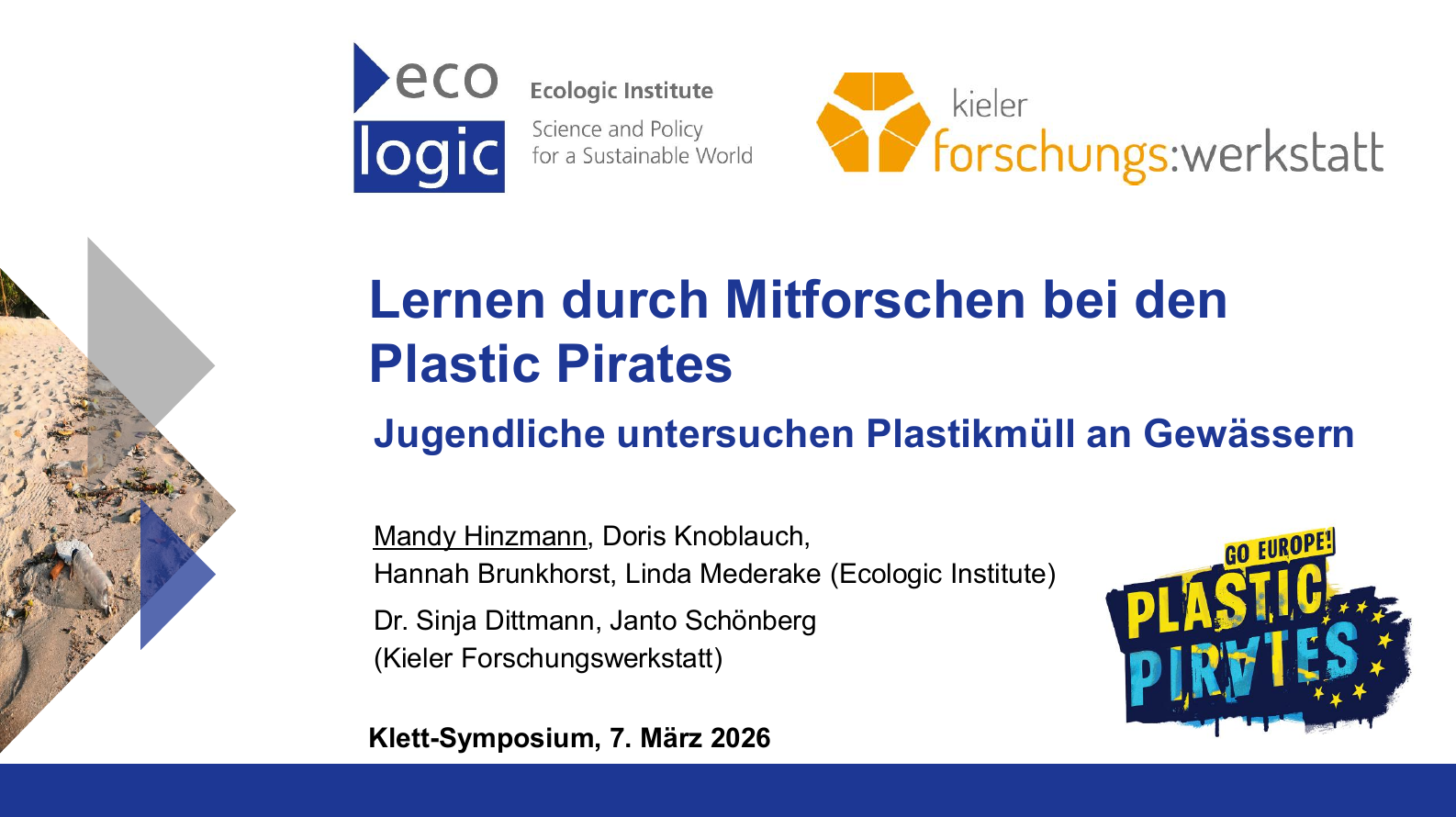
As a complementing research activity, the Ecologic Institute will once again be organising moderated discussion sessions (focus groups) in autumn 2026 and spring 2027 with interested school classes who, as part of the Plastic Pirates project, are investigating plastic litter pollution on beaches along the Baltic and North Sea. Together with the students, we will discuss the findings from their sampling, their perceptions of the plastic waste issue and how this fits into the wider social context. A particular focus will be on the topic of microplastics. As a largely ‘invisible’ environmental problem, it raises fascinating questions about how young people perceive the issue, assess its urgency and which sources of information they use.
Through the focus groups, we aim to involve the participating young people more closely in the analysis of the results, to develop solutions together – for example, at school level or for the local community – and to create a safe space for discussion and critical thinking. The sessions, lasting around three hours, directly take place at the schools. They are prepared, facilitated and evaluated by researchers from the Ecologic Institute. As part of the social science research within the Plastic Pirates project, the findings from the focus groups will be incorporated into a scientific publication.
Participation and materials are free of charge
Teachers and group leaders who are interested can register their class free of charge for both the sampling sessions and the focus groups. The materials will be dispatched from mid-August 2026.
Further information and the link to place an order can be found on the Plastic Pirates website at www.plastic-pirates.eu/de.
Contact
- Funding
-
Federal Ministry of Research, Technology and Space (BMFTR), Germany - Organizer
-
Ecologic Institute, Germany - Partner
-
Kieler Forschungswerkstatt, Germany - Team
- Date
-
- Project
- Project ID
- Keywords
-
Coasts and seas, communication, education, plastic, schools, citizen science, young people, teachers, German coasts, rivers, streams and islands, citizen research, hotline, public relations, resources, website, knowledge transfer, anniversary, focus groupsacross Germany – rivers, coastlines and islands.Mixed methods approach is used to gain quantitative and qualitative data.
Young people from the vacation program of the Förde Volkshochschule Kiel emptying the sampling net.
|© Kieler Forschungswerkstatt
Dittmann, Sinja; Mederake, Linda; Kiessling, Tim (2021): Die Plastikpiraten – Ein Citizen Science-Projekt zur Erforschung der Müllverschmutzung von deutschen Flüssen. In: Wasser und Abfall 23(5): 26-30.
Mederake, Linda; Dittmann, Sinja; Kiessling, Tim (2021): Wissenschaft zum Mitforschen: jugendliche Plastikpiraten untersuchen die Müllverschmutzung europäischer Fließgewässer. In: Korrespondenz Wasserwirtschaft 3/21:135-137.
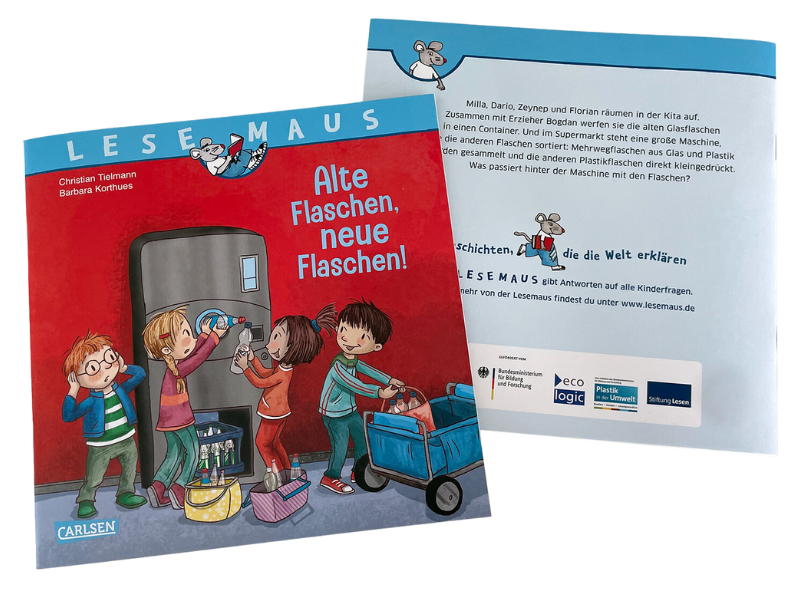
Tielmann, Christian; Korthues, Barbara (2023): Alte Flaschen, neue Flaschen! Eine Lesemaus zum Thema Recycling. Lesemaus. Special production for the BMBF research focus "Plastics in the Environment". Carlsen Verlag, Hamburg.
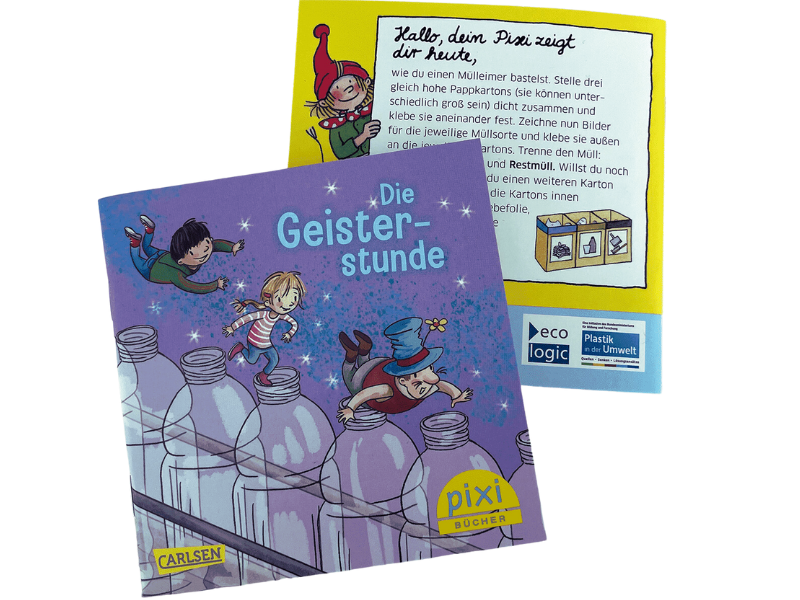
Tielmann, Christian; Korthues, Barbara (2023): Die Geisterstunde. Special production for the BMBF research focus "Plastics in the Environment". Carlsen Verlag, Hamburg.

Ecologic Institute (2022): Plastik-Mythen. Die 20 populärsten Plastik-Mythen im Faktencheck. PlastikNet-poster series. Ecologic Institute: Berlin.
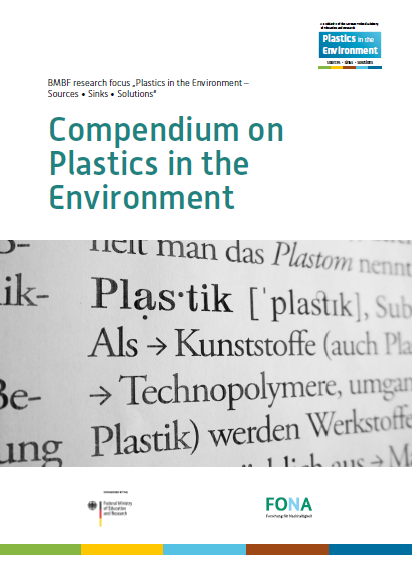
J. Bertling*, C. G. Bannick, L. Barkmann, U. Braun, D. Knoblauch, C. Kraas, L. Mederake, F. Nosić, B. Philipp, M. Rabe, I. Sartorius, H. Schritt, U. Stein, K. Wencki, K. Wendt-Potthoff, J. Woidasky (2022): Compendium on Plastics in the Environment, 1st edition 2022. https://doi.org/10.24406/umsicht-n-647637
*Corresponding author
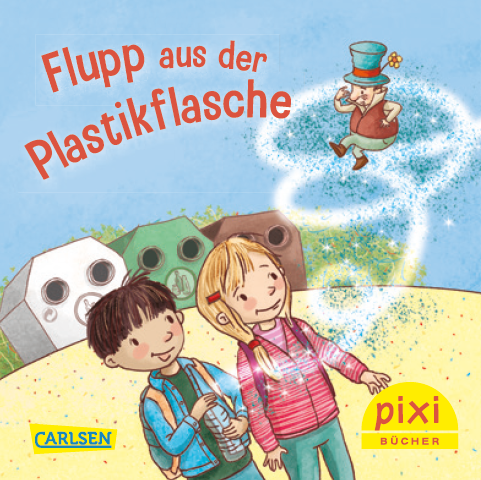
Tielmann, Christian; Korthues, Barbara (2022): Flupp aus der Plastikflasche. Special production for the BMBF research focus "Plastics in the Environment". Carlsen Verlag, Hamburg.
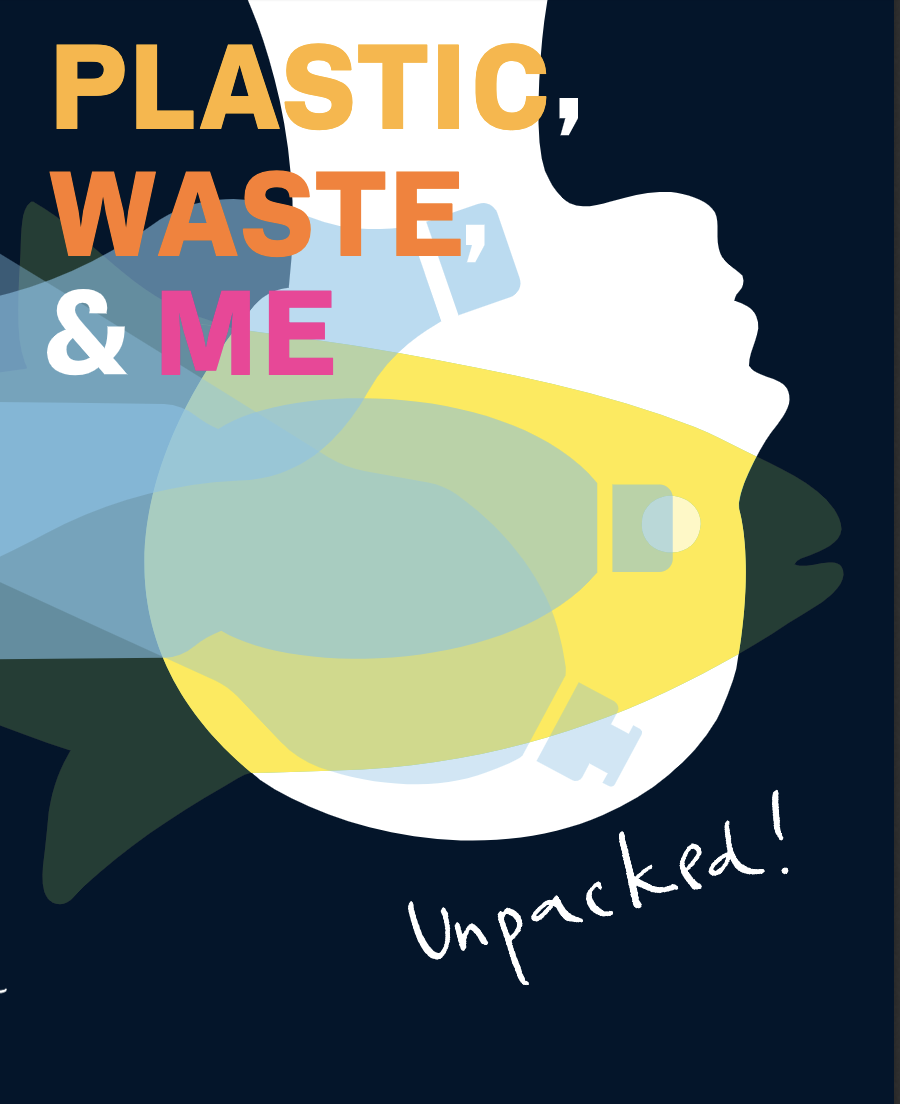
Heinrich-Böll-Stiftung (2021): Unpacked! Plastic, Waste & Me. Berlin.