This guide shows how municipalities can systematically identify, assess and compare the costs and NbS. It takes users through a stepwise process on how to go about assessing costs and benefits. Documentation tables and guiding questions help apply each step to a specific project.
ECNO’s 2026 State of EU Progress to Climate Neutrality report provides a comprehensive assessment of whether the European Union is moving quickly enough to meet its climate goals. Drawing on a broad set of indicators and policy analysis, the report evaluates progress across the economy and identifies where stronger implementation could reduce exposure to fossil fuel dependence, supply-chain vulnerabilities, affordability challenges and climate-related risks.
This publication documents informational and educational materials for the fields of medicine, pharmacy, and health communication. The project aimed to reduce the release of pharmaceutical substances into the environment and to strengthen the integration of environmental knowledge into education, teaching, and professional practice. The project produced openly accessible materials for universities and continuing education programmes, pharmacies, and the general public. In addition, an online platform was established to consolidate scientific background information, infographics, and teaching resources.
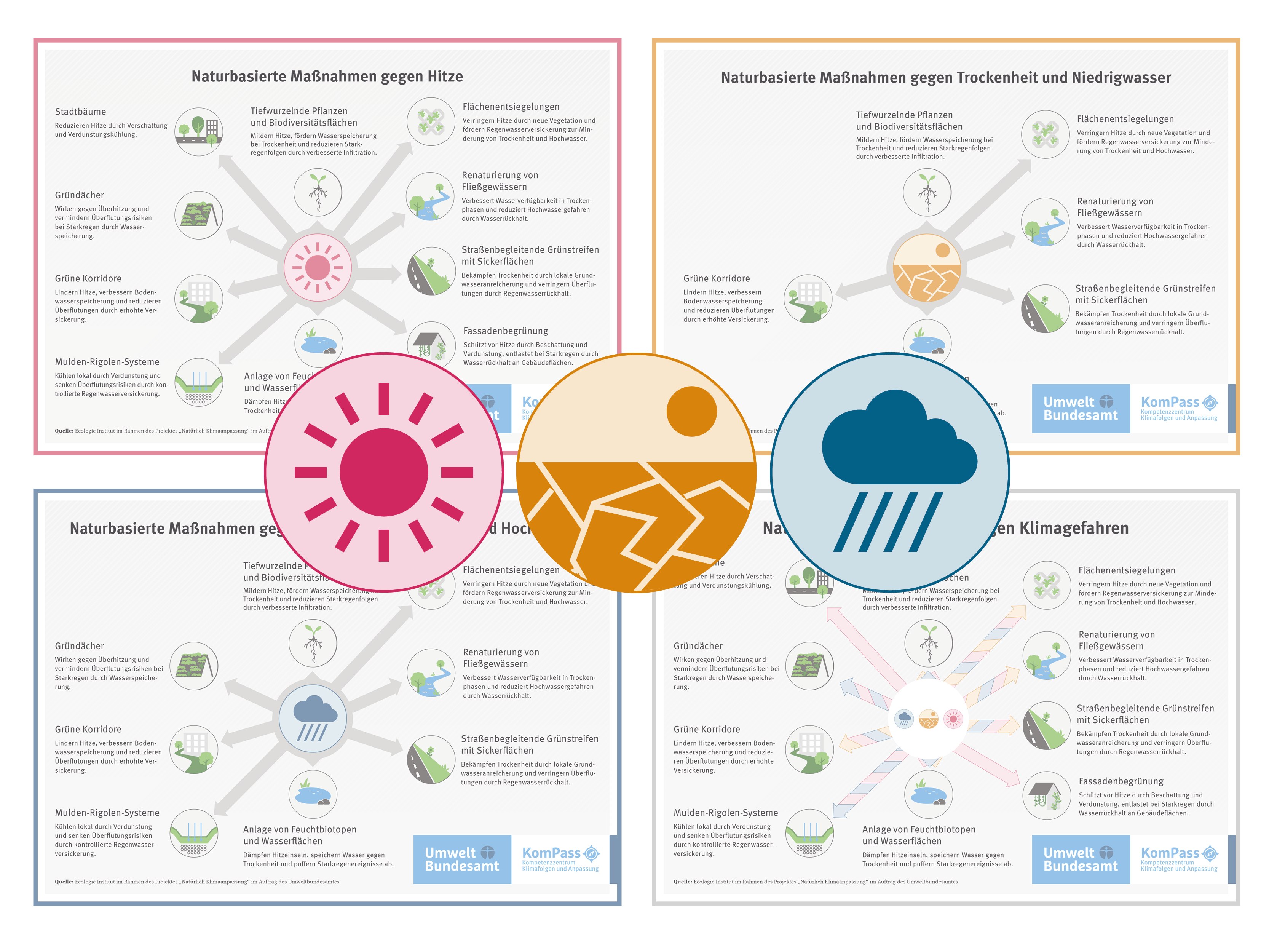
Cities are increasingly facing challenges from heat, heavy rainfall, and drought. Nature-based measures offer a wide range of approaches to address these developments while simultaneously improving quality of life in urban areas. This infographic series developed by Ecologic Institute illustrates ten key nature-based adaptation measures and highlights their effects on the urban climate, water balance, and biodiversity.
Climate change is affecting cities in various ways: heatwaves are becoming more frequent, flooding is occurring more often, and prolonged periods of drought are putting pressure on water resources. This series of infographics provides an overview of key climate-related risks and shows how nature-based solutions can help mitigate them.
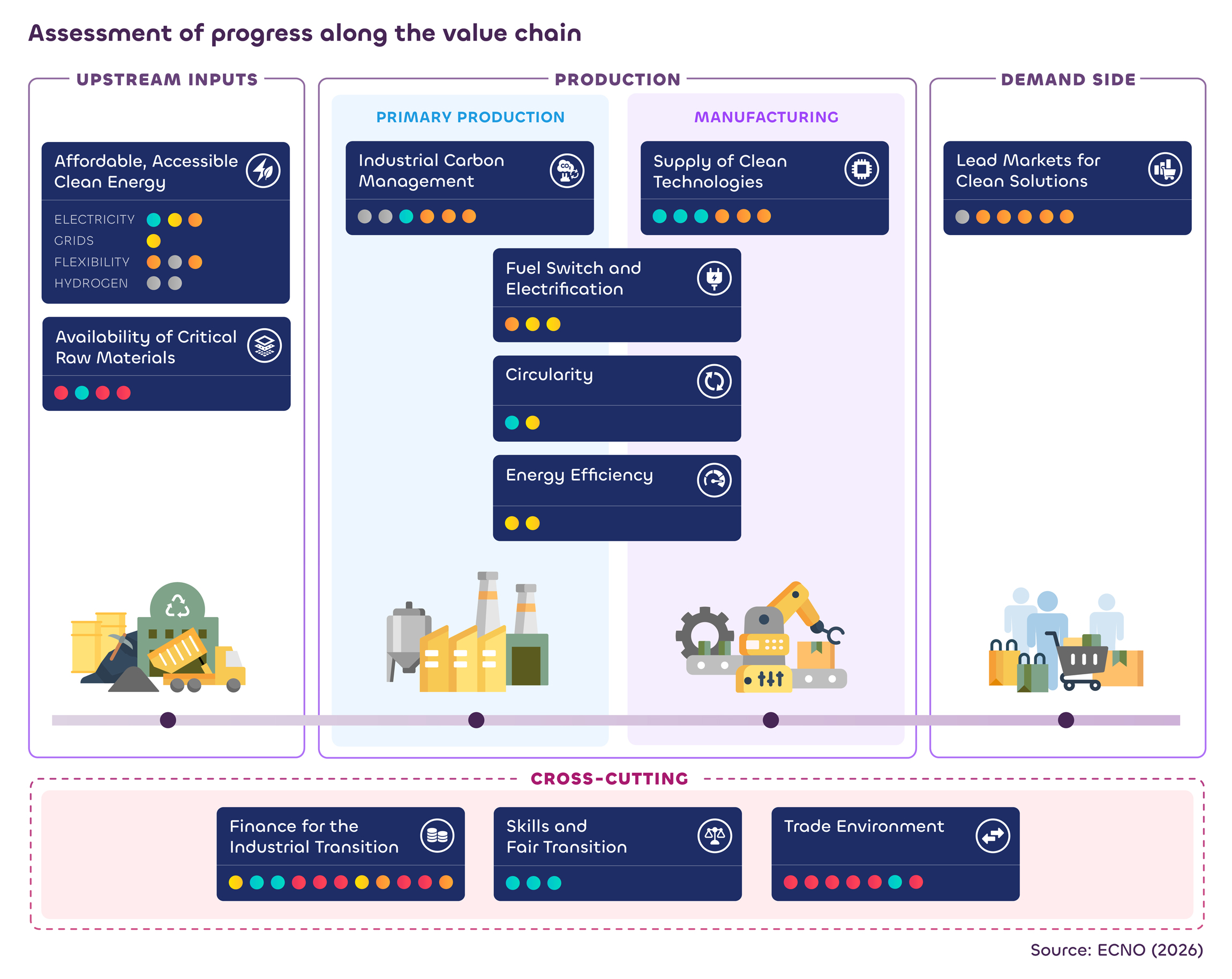
The infographic underscores a central insight of the Clean Industrial Transition Monitor: Europe has put in place many of the necessary building blocks for a clean industrial transition. However, achieving scale will depend on addressing remaining bottlenecks and ensuring coherent implementation across all parts of the value chain.
The transition to a clean and competitive industrial base is crucial to strengthening Europe’s resilience and strategic economic independence. The Clean Industrial Transition Monitor by ECNO assesses real-world progress using more than 50 indicators and provides a comprehensive and nuanced picture of both progress and remaining gaps.
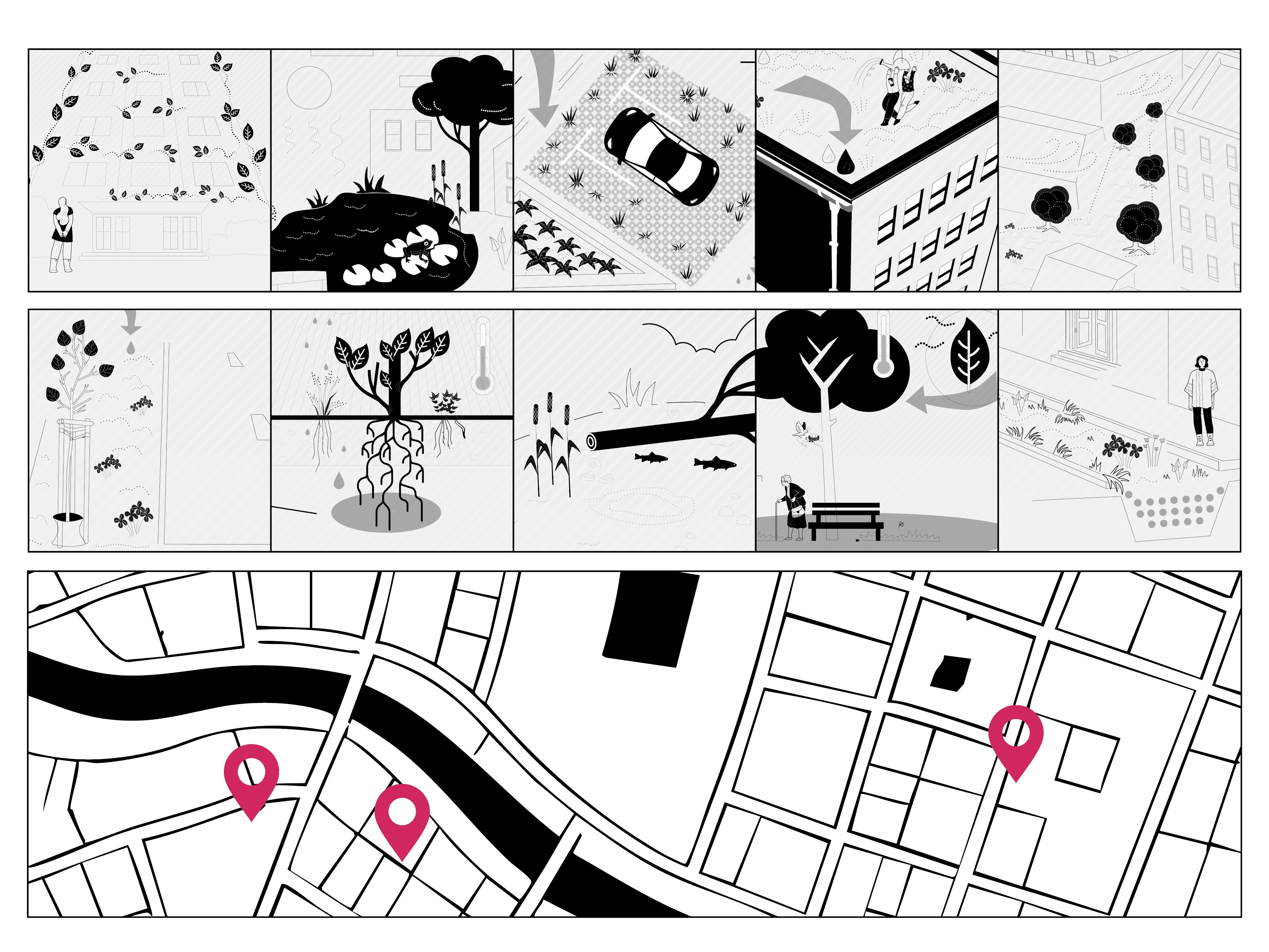
What do shaded paths, green roofs and restored waterways have in common? In many cities, they are already part of the urban landscape – yet often remain unnoticed. This guide, published by the German Environment Agency, focuses on these existing measures. It explains how municipalities can use city maps to make nature-based climate adaptation visible, place it in context and communicate it in a transparent and accessible way.
Nature-based climate adaptation unfolds not only in urban space but also in public perception. Measures such as urban greening, water retention or heat action plans require clear and targeted communication in order to be understood, accepted and supported. A new short guide published by the German Environment Agency outlines how municipalities can use press work strategically to communicate nature-based climate adaptation in a clear and structured way.
Nature-based climate adaptation can only be effective if it reaches the people it is meant to serve. Inclusive public communication plays a key role in this process: it helps ensure that nature-based solutions are not only planned and implemented but also understood, accepted and shaped by a wide range of communities. This guide, published by the German Environment Agency, provides practical guidance on how municipalities can design inclusive communication strategies for nature-based climate adaptation.
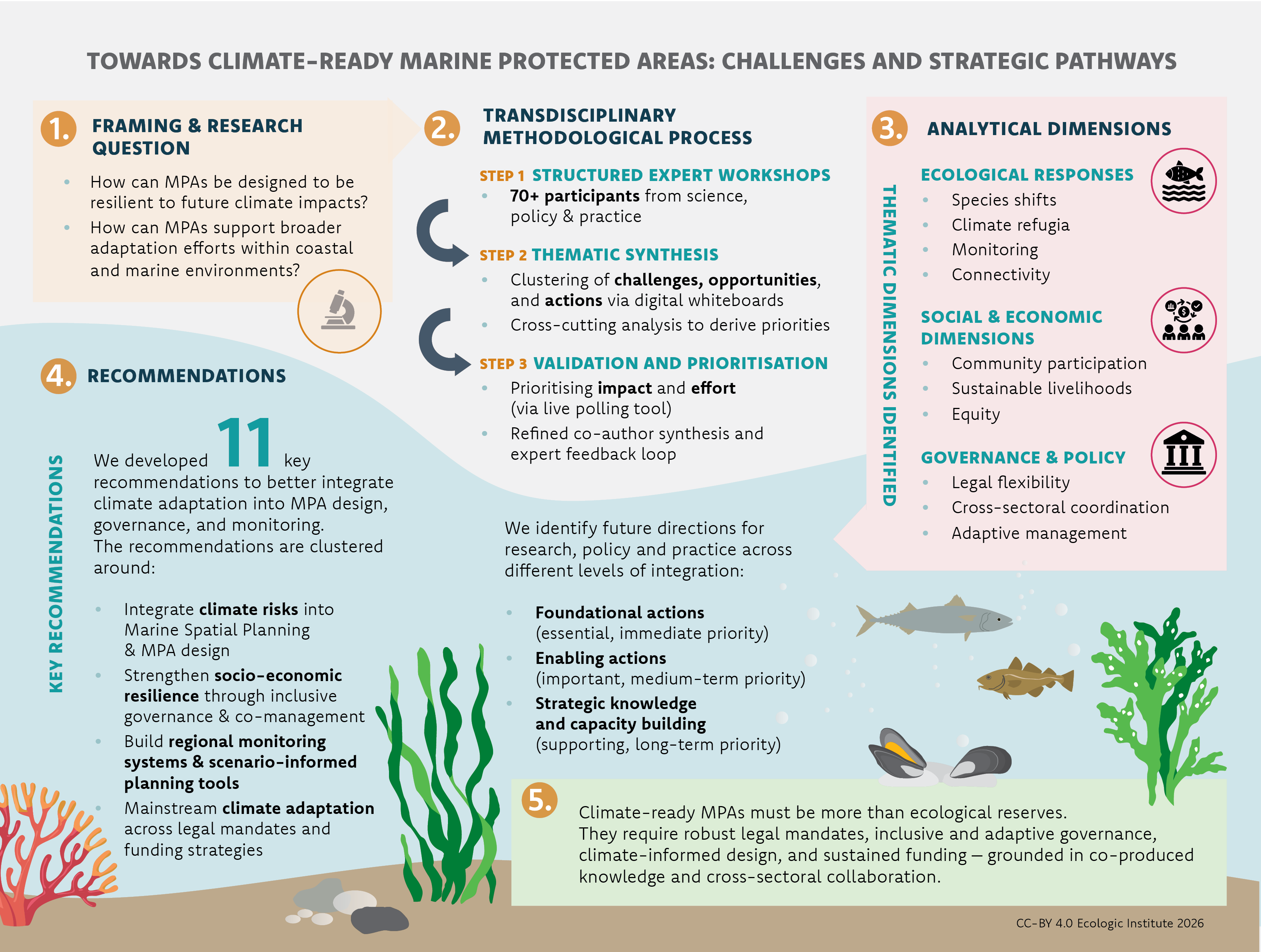
Marine Protected Areas (MPAs) are key to conserving biodiversity and strengthening the resilience of marine social-ecological systems. As climate change intensifies, their effectiveness increasingly depends on integrating climate considerations into design, management, and governance. The infographic, "Towards Climate-Ready Marine Protected Areas: Challenges and Strategic Pathways," visualises the conceptual approach of the underlying study. It combines ecological, governance, and socio-economic aspects and shows how they work together to evaluate and improve the climate-readiness of MPAs.
Two information postcards have been developed for the Market Information Talks for the Organic Sector 2026. The postcards support communication for the dialogue series and draw attention to key challenges along organic value chains in Brandenburg.
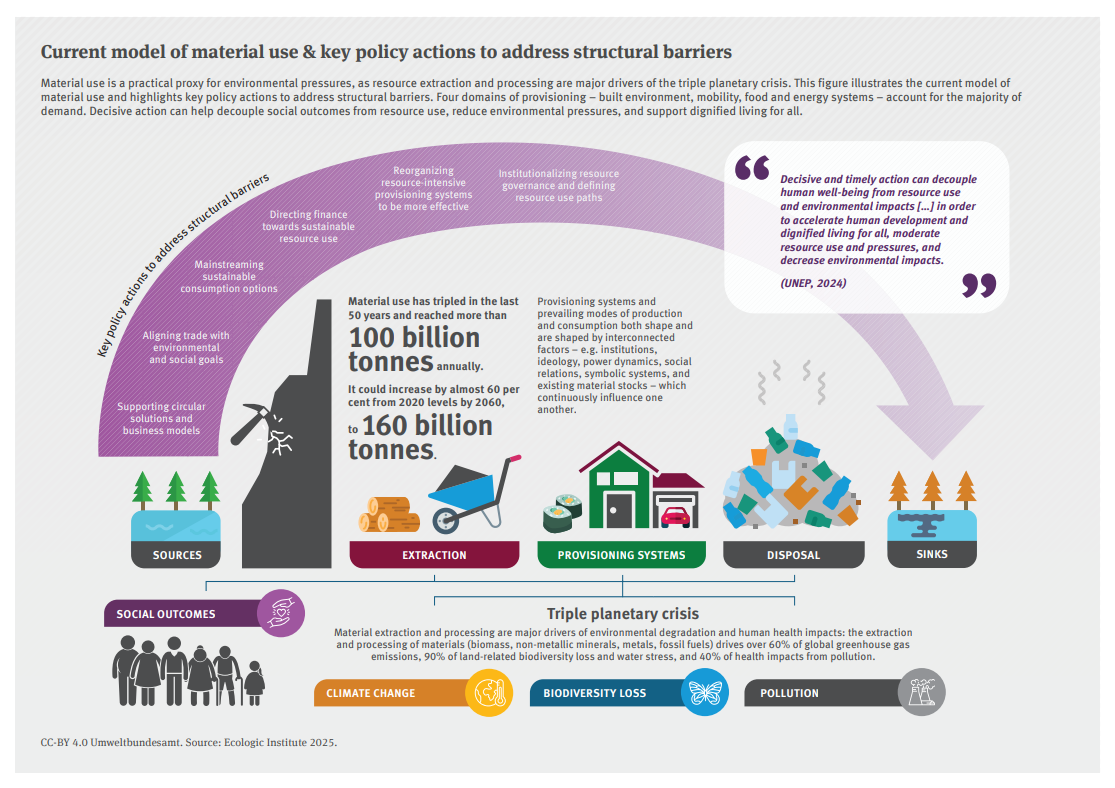
This infographic presents the current model of material use and shows how extraction, production, consumption and disposal drive environmental pressures. It also outlines key policy actions to overcome structural barriers, reduce resource use and decouple human well-being from environmental harm. It is based on the report “Moving from Interconnected Crises to Systemic Solutions. Resource Efficiency, Nature-based Solutions, and Systemic Transformation as Responses to the Complexity of the Triple Planetary Crisis” and highlights concrete pathways for action. The infographic is also included in the accompanying fact sheet under the same title.
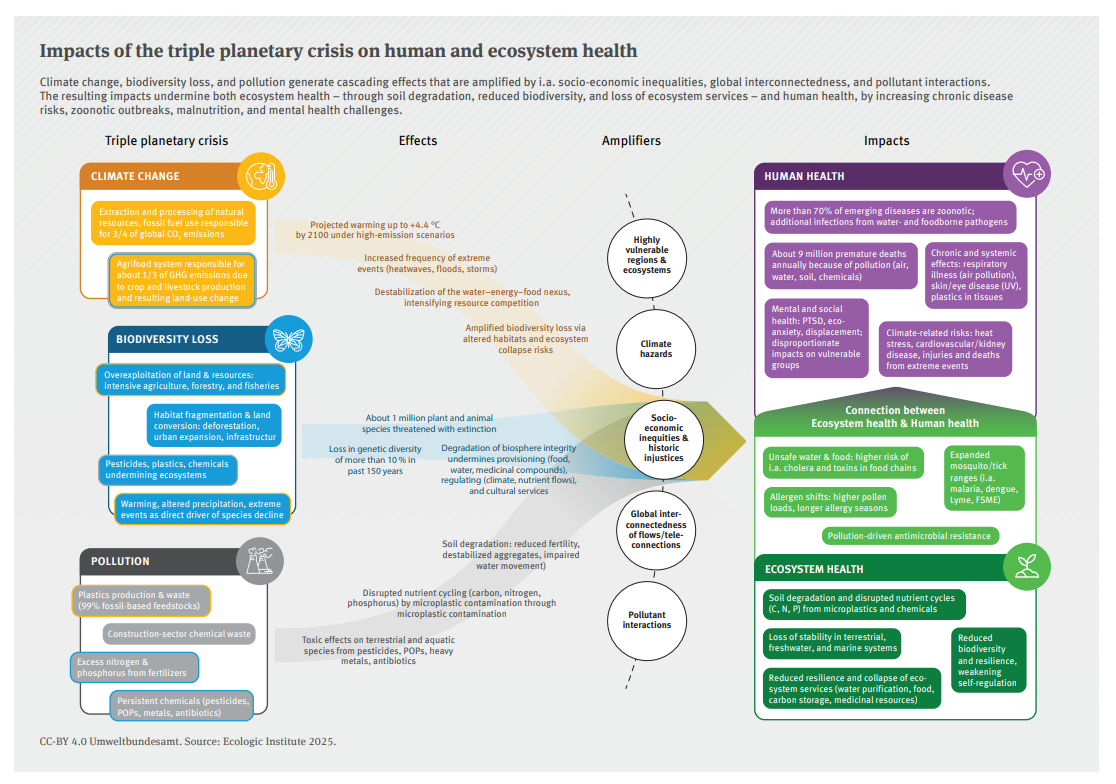
This solution-oriented infographic showcases nature-based solutions (NbS) as systemic responses to the triple planetary crisis, illustrating how measures such as wetland restoration, mangrove protection or urban green infrastructure can simultaneously address climate change, biodiversity loss and pollution, while delivering co-benefits for health, resilience and livelihoods.
This fact sheet highlights the growing global support for the Mission Soil Manifesto and the key role of the EU Mission A Soil Deal for Europe in protecting and restoring healthy soils.
The EU is making promising progress on the road to climate neutrality but needs to keep up the pace to achieve the goal. This is the result of the third progress report by the European Climate Neutrality Observatory (ECNO), which has analysed developments in over 150 indicators across all areas of society. The weak points identified provide crucial information for the work of the EU institutions.
The background paper sheds light on how authorities can enable and accelerate peatland rewetting projects with legal certainty under current law. It shows that, despite numerous legal hurdles, there is considerable scope for decision-making, particularly in the context of planning and nature conservation law.
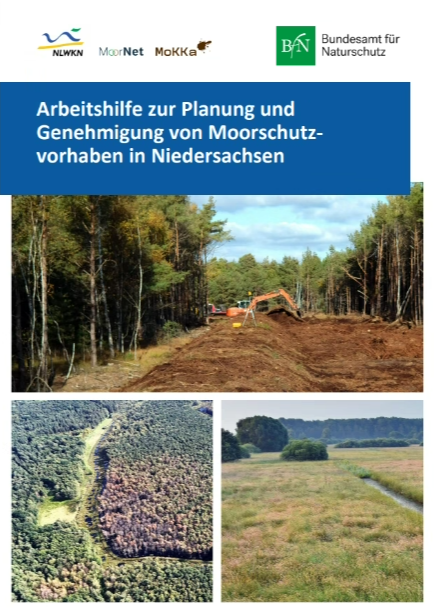
Rewetting peatlands – but how? This new guide provides an overview of the key steps involved in planning, financing and authorising peatland protection projects in Lower Saxony, as well as the associated measures. Commissioned by the Federal Agency for Nature Conservation, the brochure features contributions from Felix Dengler and Ulf Stein on behalf of the Ecologic Institute.
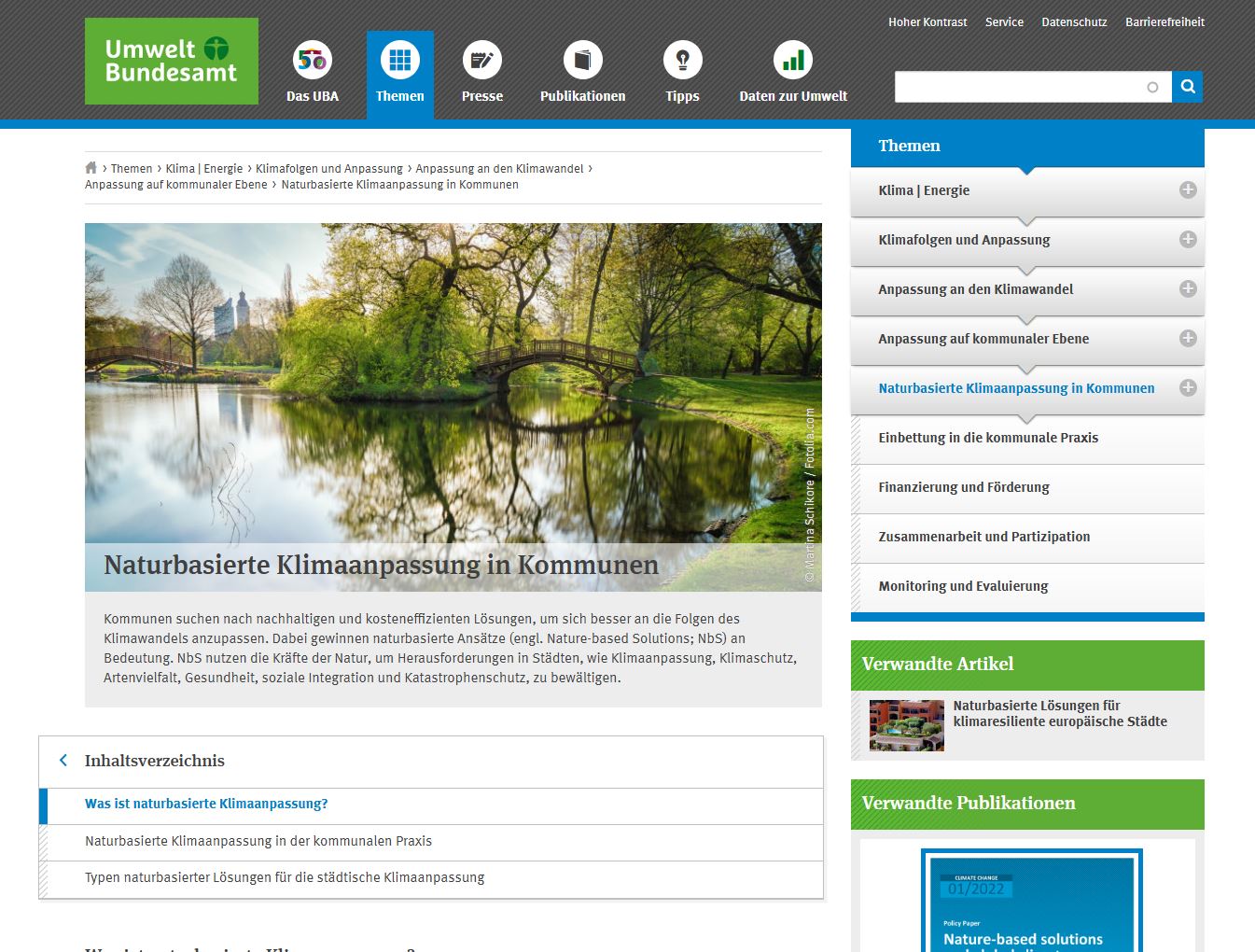
Nature-based solutions, such as green spaces or river restoration, can make a valuable contribution to municipal climate adaptation. The new topic page 'Nature-based climate adaptation' on the Federal Environment Agency's website highlights different aspects of such approaches and offers municipalities targeted support in their planning and implementation. In addition to information on the legal framework and funding issues, it also contains practical examples and helpful publications. Ecologic Institute designed and implemented the content of the website on behalf of the Federal Environment Agency.
This video, produced within the REACHOUT project, focuses on the Urban Heat climate hazard, and showcases how climate service tools can be applied in real-world urban policy challenges. It serves as a visual guide to help municipal representatives, local consultants, and service providers understand and implement these tools effectively.
This video, produced within the REACHOUT project, focuses on the Fluvial Flooding hazard, and showcases how climate service tools can be applied in real-world urban policy challenges. It serves as a visual guide to help municipal representatives, local consultants, and service providers understand and implement these tools effectively.
Pharmaceutical substances from creams and gels can enter wastewater when washed off after application. However, this can be reduced by first wiping your hands with a paper towel, disposing of it in the household waste, and only then washing your hands.
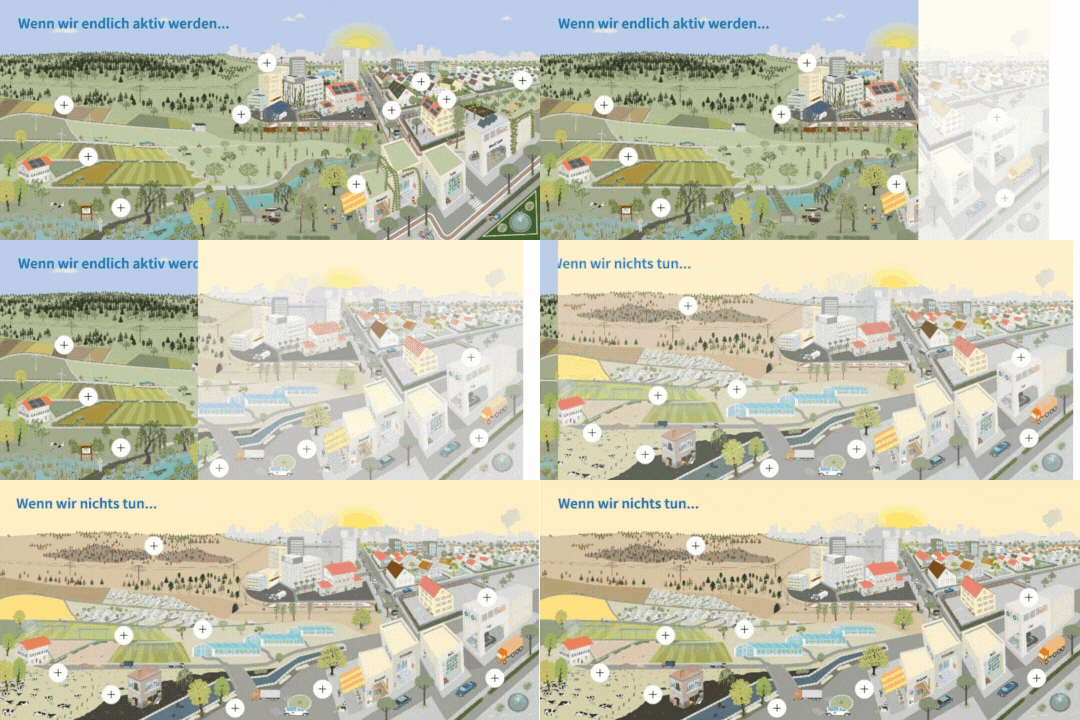
This interactive infographic shows what the future could look like in 20 to 30 years - in two scenarios: one with resolute climate protection and another scenario that leaves everything as it is. The intention is to make the consequences of climate change more tangible and to illustrate the urgency of climate protection measures.
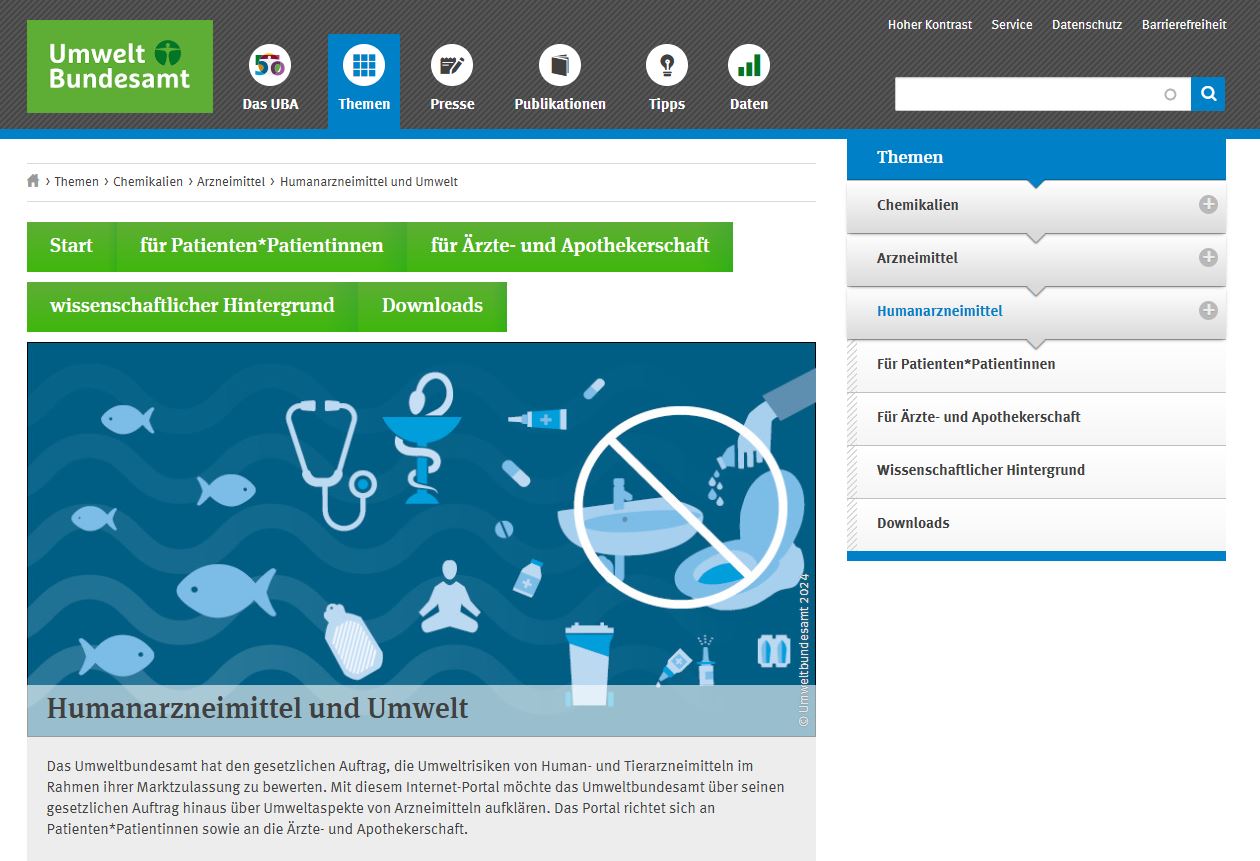
The Federal Environment Agency's online platform "Pharmaceuticals and the Environment" provides information on the environmental impact of human pharmaceuticals and gives recommendations for environmentally conscious use and disposal. The aim is to minimize the entry of pharmaceutical residues into the environment and thus protect organisms, water, and soil.
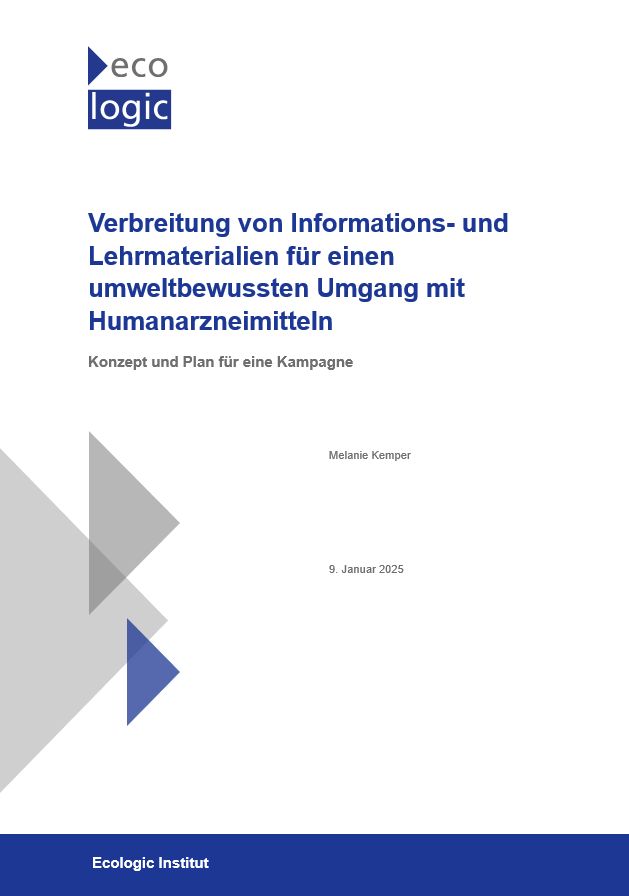
Kemper, Melanie 2025: Verbreitung von Informations- und Lehrmaterialien für einen umweltbewussten Umgang mit Humanarzneimitteln - Konzept und Plan für eine Kampagne. Ecologic Institut, Berlin. Unpublished.
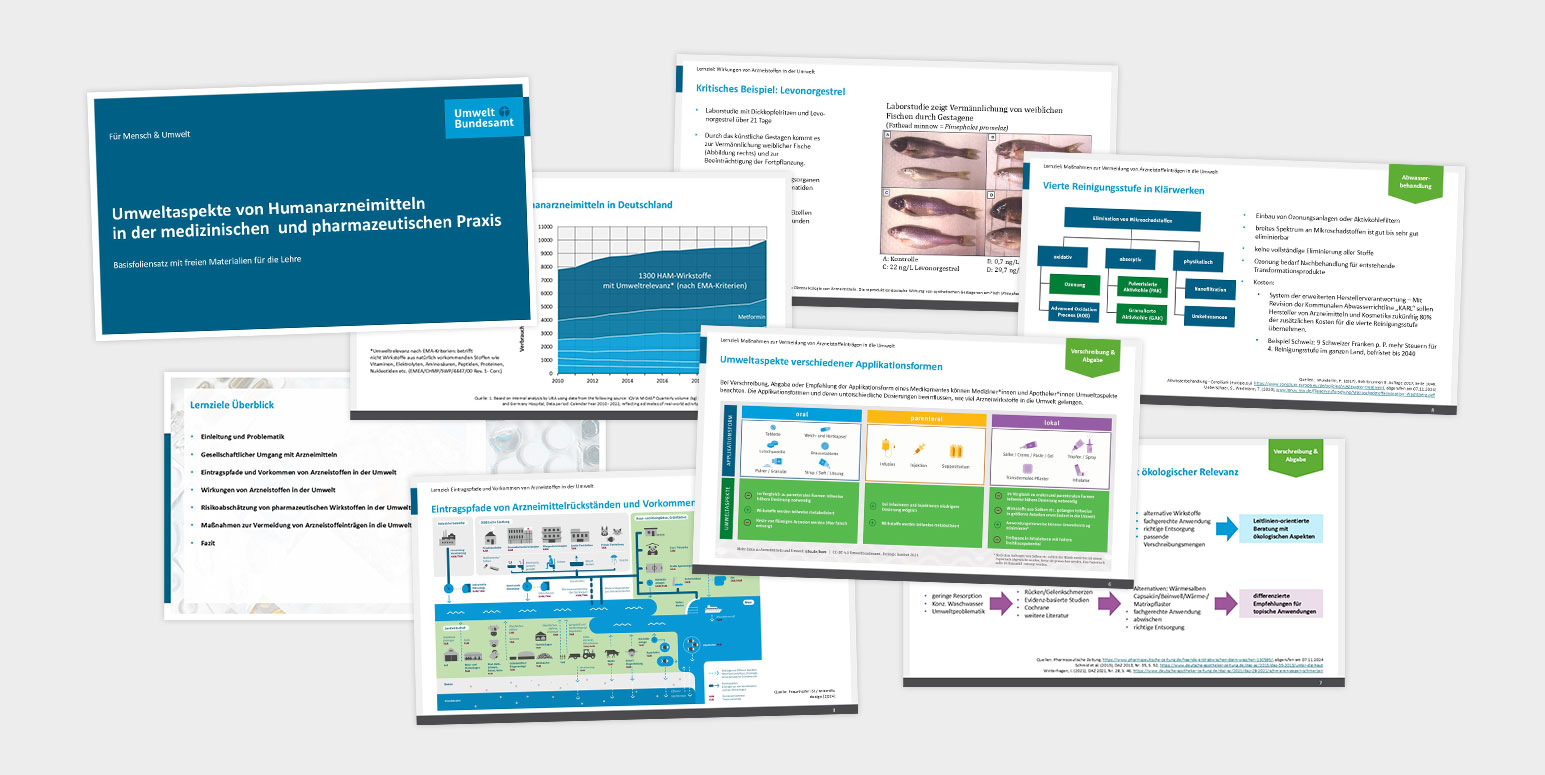
Pharmaceuticals in the environment are a growing problem. The UBA Internet portal "Human Medicinal Products and the Environment" offers freely available, scientifically proven teaching materials for medical and pharmaceutical lecturers. With the basic set of slides and the accompanying texts, the topic can be taught comprehensively and practically despite tight curricula.
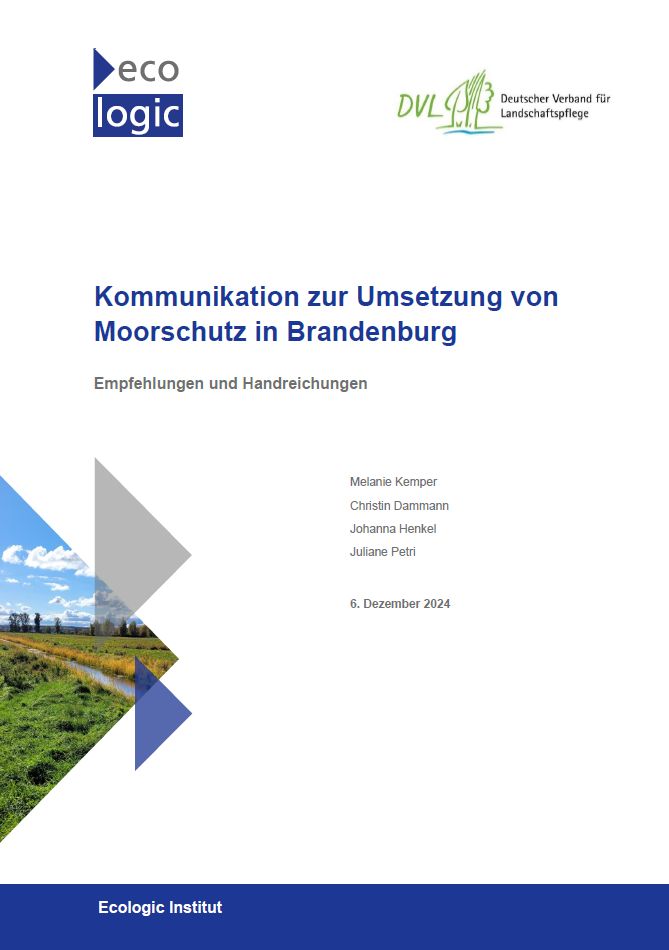
Kemper, Melanie; Christin Dammann; Johanna Henkel; Juliane Petri 2024: Kommunikation zur Umsetzung von Moorschutz in Brandenburg – Empfehlungen und Handreichungen. Ecologic Institut und Deutscher Verband für Landschaftspflege. Unpublished.
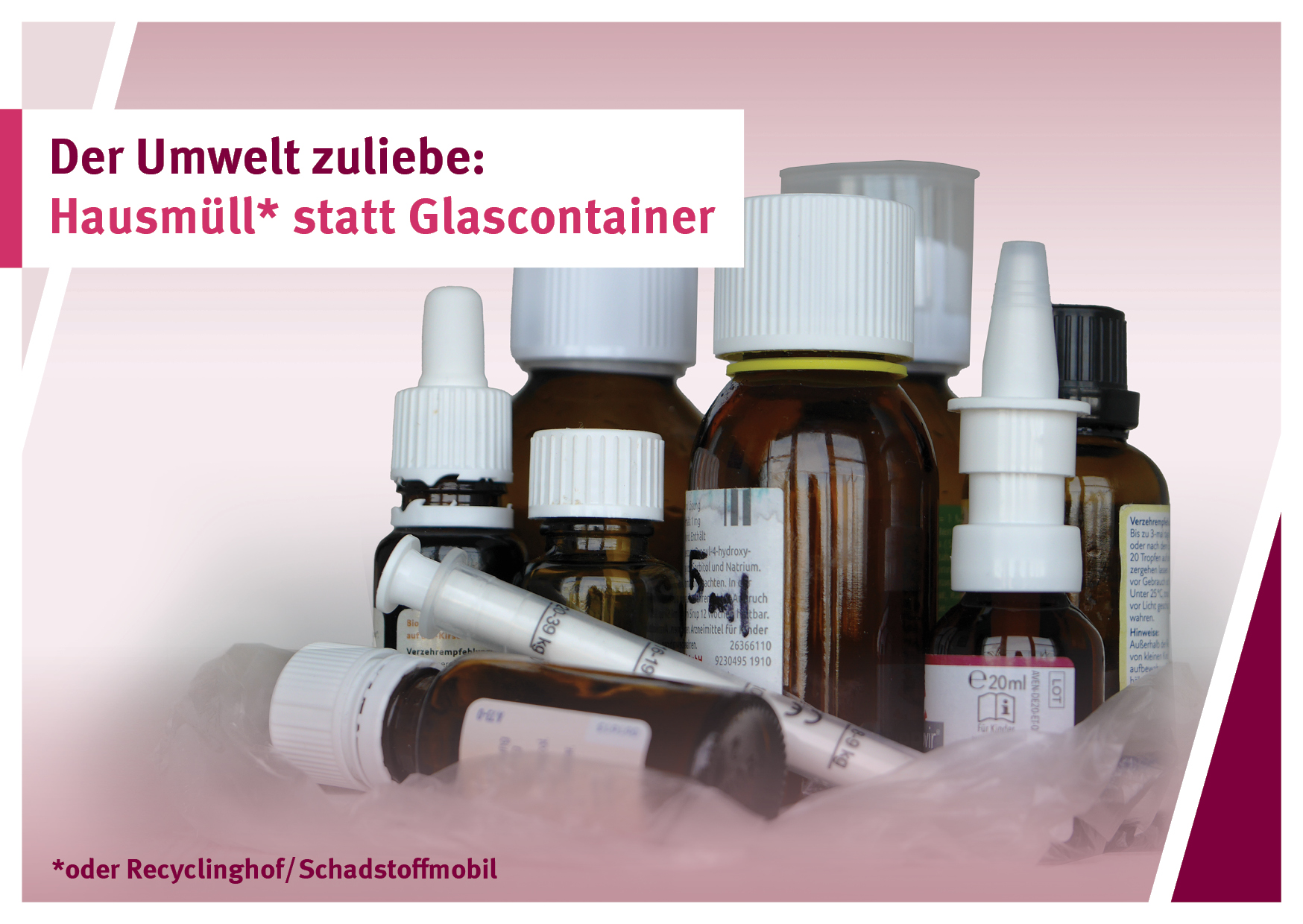
Liquid pharmaceutical leftovers are more often disposed of incorrectly in waste water than solid ones. For this reason, a German-language postcard in DIN A6 (10 x 15 cm) has been developed on this topic, which can be given to customers when liquid medicines are handed in at the pharmacy.
Kemper, Melanie; Elisa Thomaset und Jennifer Reck 2024: Von Niederungsmanagement bis Versumpfung: Kommunikation zur Umsetzung von Moorschutz. Medienresonanz- und Kommunikationsanalyse in den moorreichen deutschen Bundesländern. Ecologic Institut, Berlin. Unpublished.
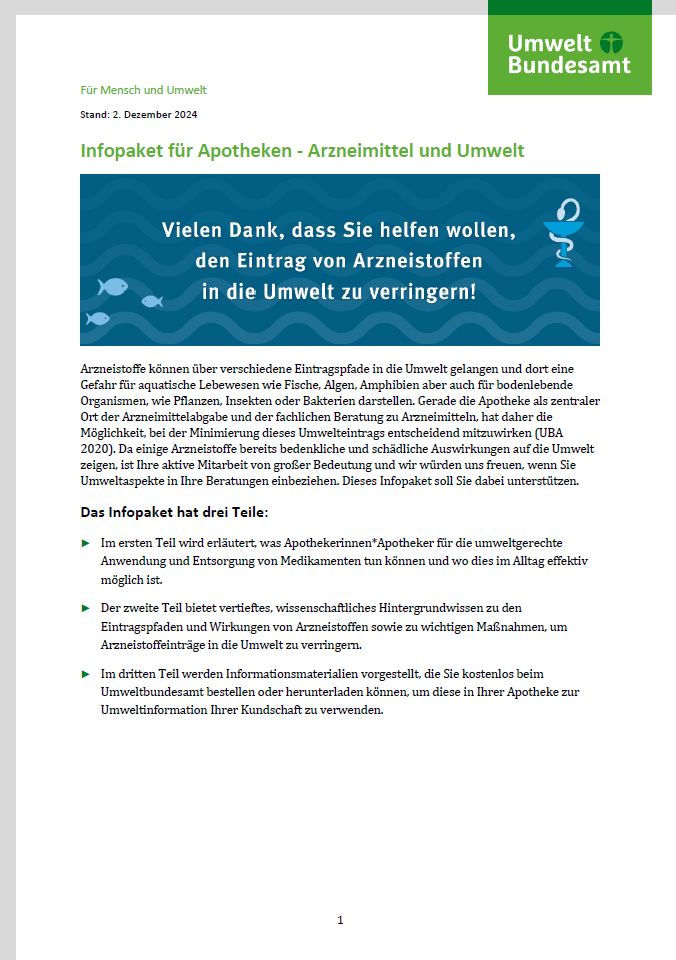
Pharmacies are an obvious place for conversation about pharmaceuticals and their effects on people and the environment, as well as the disposal of unused products. The information package for pharmacies provides pharmacy staff with in-depth background information for such discussions.
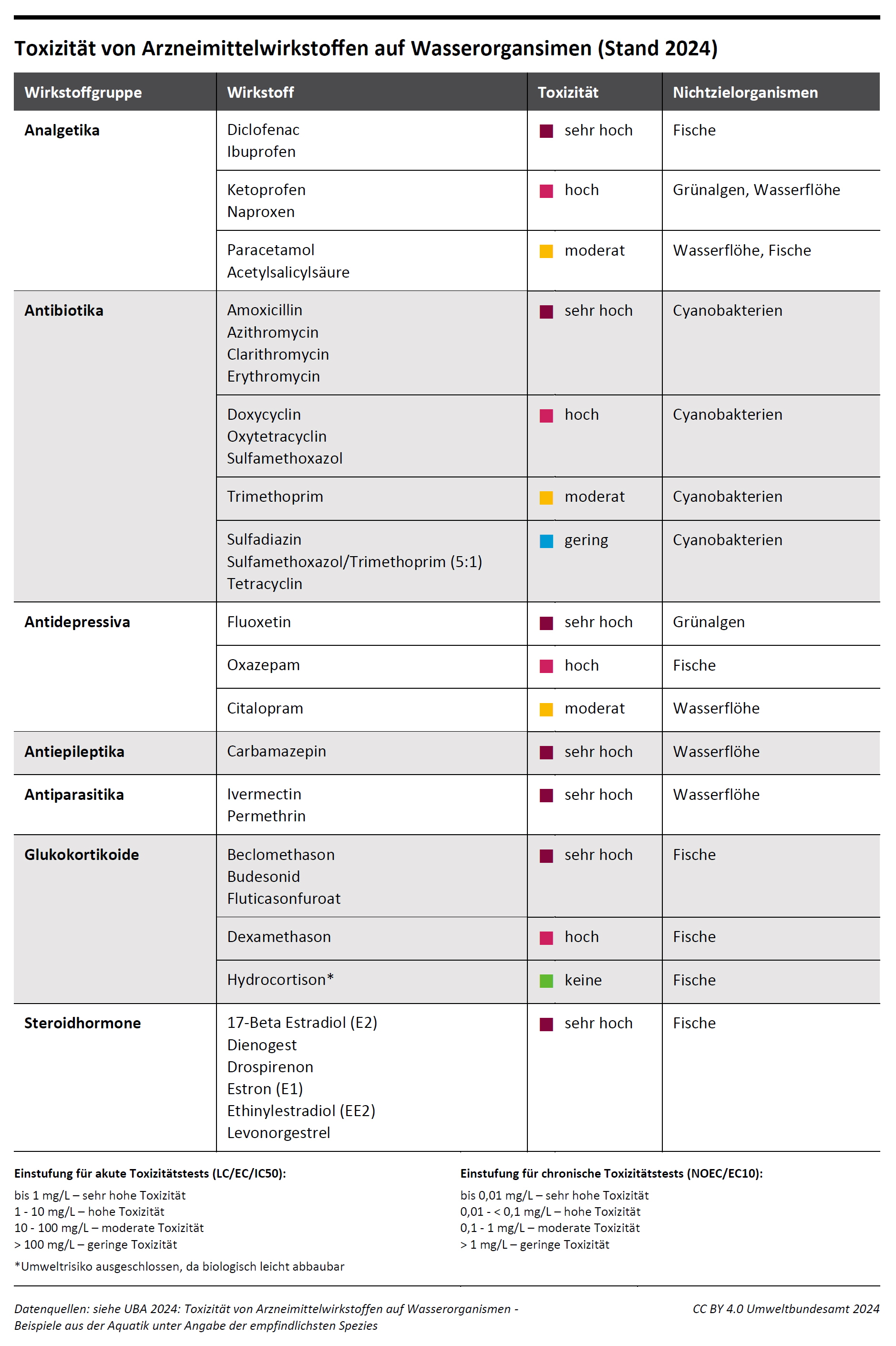
This infographic provides a brief overview of the toxicity of human pharmaceutical substances on non-target organisms observed in laboratory and case studies. A detailed version of the table, which also includes effect concentrations and literature sources, can be downloaded as a PDF.
Germany is under increasing water stress, despite rising precipitation and extreme weather. The core issue lies not in rainfall quantity, but in the inability of our anthropogenically modified landscape to retain water. The Handbook of Agricultural Measures for Enhancing Water Retention, Water Quality and Biodiversity addresses this challenge head-on. Developed with farmers and advisors in mind, it presents field-tested and scientifically evaluated nature-based solutions for agricultural water management. These measures do not compete with productivity—they ensure long-term agricultural viability in a changing climate.
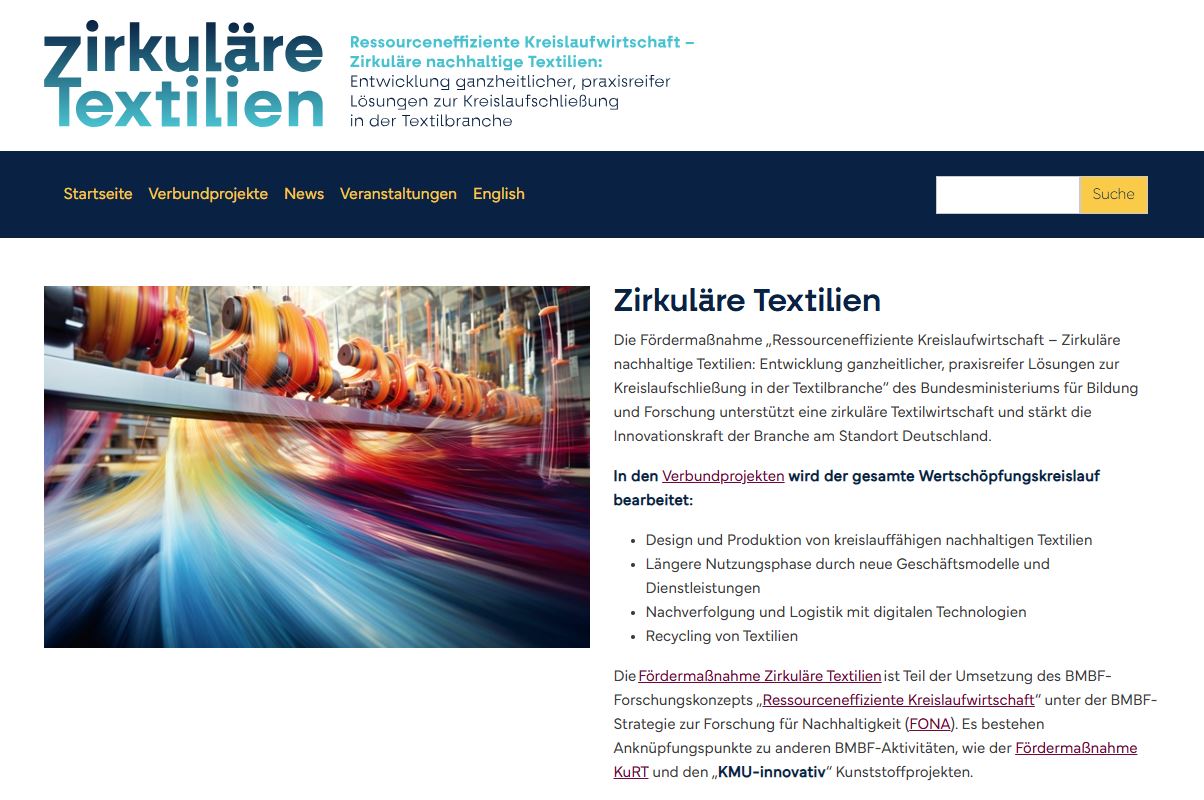
Ecologic Institute designed and developed the project website "Circular Textiles" within the networking and transfer project of the funding program "Resource-efficient circular economy – circular sustainable textiles: development of holistic, practical solutions for closing loops in the textile industry". The website provides an overview of all funded joint projects. It also contains information on the projects and events, as well as news from the networking and transfer project.
Pharmacies can order this decorative wall calendar free of charge and give it as a promotional gift to their customers. The calendar is designed as a year-independent birthday calendar in DIN A4. Each month, attractive, large photo motifs and short texts focus on a different aspect of pharmaceuticals and the environment.
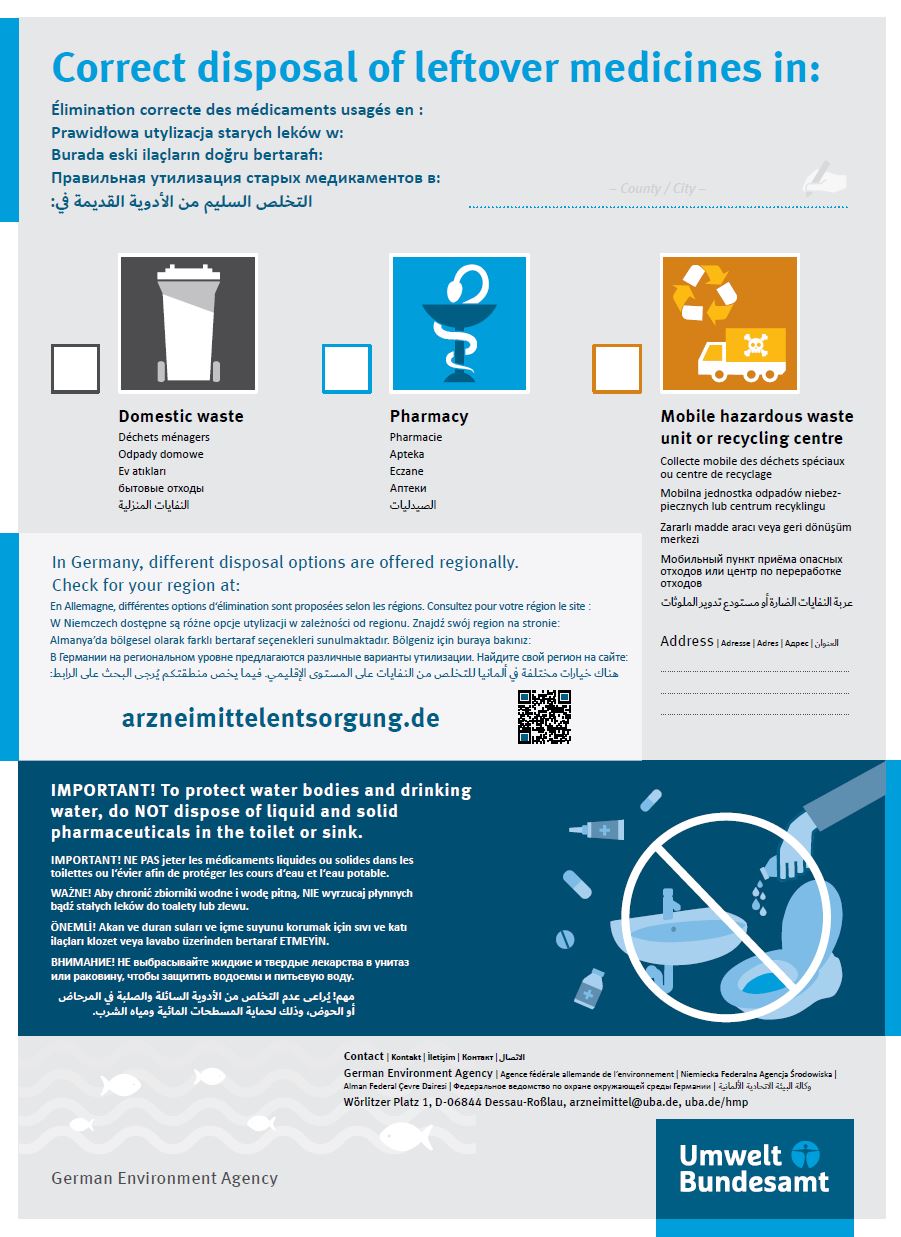
Many people think that old medicines should always be disposed of via pharmacies. Providing information about the applicable disposal methods, which vary from region to region, takes time in the pharmacy. The poster "Correct disposal of leftover medicines in: ...." is intended to ease the burden on staff by providing disposal information in writing on the sales floor. Other useful locations for the poster could include doctors' surgeries, hospitals, health advice centers, health insurance companies or waste disposal companies.